

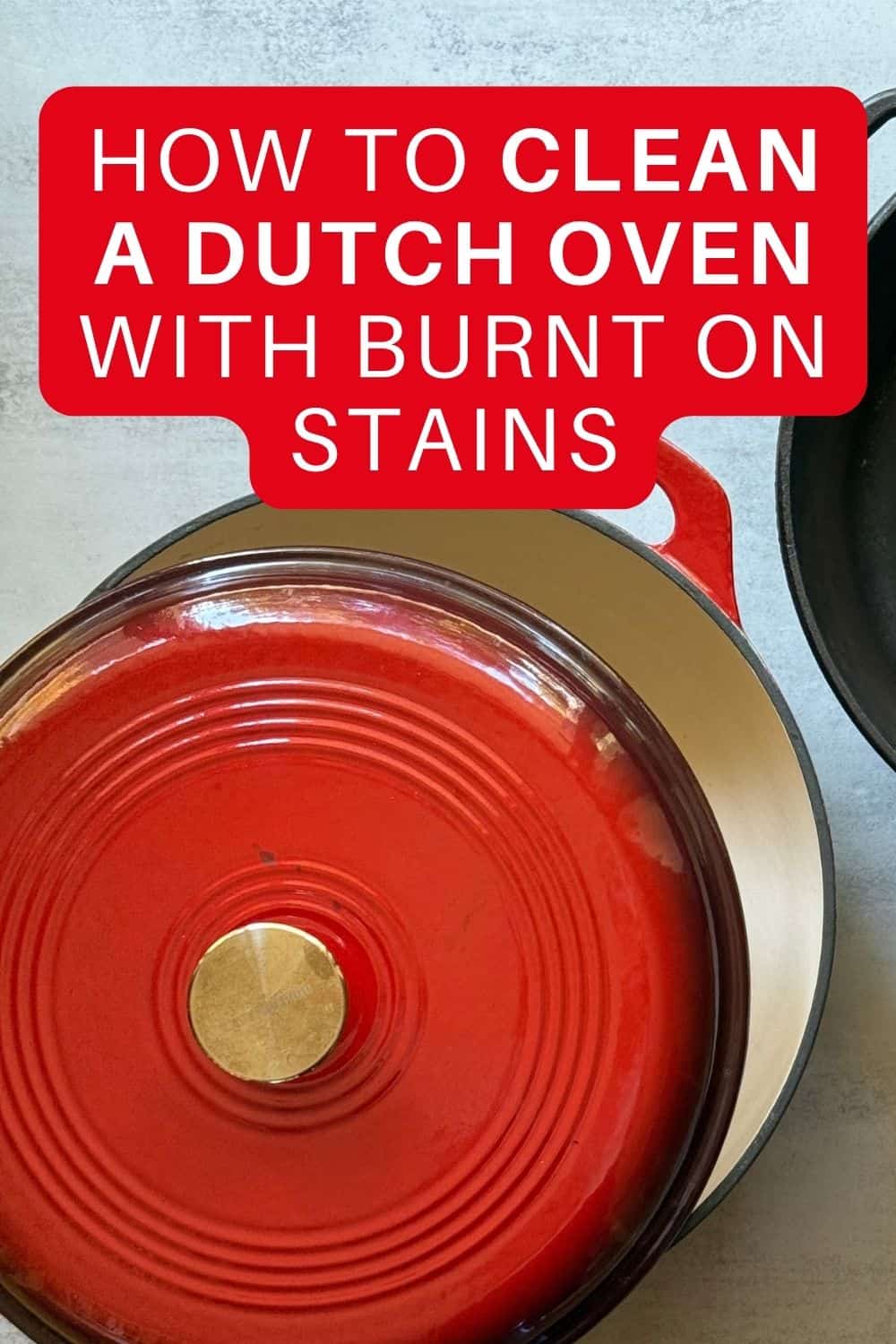
If you want your cast-iron or enameled Dutch oven to last a long time, it is important to learn how to clean a Dutch oven and maintain it properly.
Baking sourdough bread in a raw cast-iron Dutch oven requires little cleaning, whereas an enamel Dutch oven requires more.

How to clean a Dutch oven
A raw cast iron Dutch oven requires regular seasoning to keep its non-stick surface in good condition. This seasoning is a thin layer of oil baked onto the surface, helping prevent food from sticking and keeping the iron from rusting.
When cleaning, use mild dish soap and a soft brush or sponge to remove any food residue. After washing, dry the Dutch oven completely to prevent rust.
Even though some cast iron cookware is labeled dishwasher-safe, avoid putting it in the dishwasher. The harsh washing can damage the seasoning and wear down the finish.
If the seasoning seems worn or patchy, re-season it with cast iron seasoning oil and bake it until it shines.
How to maintain your Dutch oven
- Immediately after baking (or cooking), rinse the Dutch oven with warm water to loosen food particles. Avoid using cold water to prevent thermal shock.
- Try scrubbing stubborn spots with a paste made of baking soda and water.
- If needed, sprinkle kosher salt inside the pot and use it as a natural scrub with a soft sponge.
- Rinse thoroughly to remove all cleaning residue.
- To prevent rust, thoroughly dry the cast iron, preferably in a warm oven or on a stove.
How to re-season your cast iron Dutch oven
You should re-season the raw cast iron Dutch oven once or twice a year. Here is how to do it:
- Rub a thin, even layer of oil over the entire surface, inside and out. Use an oil with a high smoke point, like vegetable oil, canola oil, or melted shortening.
- Place the Dutch oven upside down in a preheated oven. Set the temperature to 375°F (191°C) or follow Lodge Cast Iron's recommendation of 450-500°F (232-260°C).
- Bake it for 1 hour, then let it cool before storing. This process creates a smooth, durable layer that protects the cast iron and keeps it non-stick.
How to restore a cast iron Dutch oven
If your Dutch oven has rust or stubborn buildup, you can bring it back to life. Here is a simple method to clean and restore it so it is ready for baking again.
1. Remove rust and stuck-on debris
Start by scrubbing it gently with a stiff brush or steel wool. For tougher spots, soak the pot briefly in a solution of equal parts water and white vinegar (just long enough to loosen rust), usually around 30-60 minutes. Rinse thoroughly afterward.
2. Neutralize and rinse
After rust removal, sprinkle a little baking soda over the interior and scrub gently. This helps neutralize any remaining acidity and removes lingering grime. Rinse well with warm water and dry immediately.
3. Dry completely
Moisture is the enemy of cast iron. Dry your Dutch oven thoroughly with a towel, then place it on the stovetop or in a low oven for a few minutes to make sure all water has evaporated.
4. Apply a thin layer of oil
Rub a small amount of vegetable, canola, or grapeseed oil over the inside and outside surfaces. Use just enough to coat the metal with a light sheen, but avoid puddles of oil.
5. Bake to season
Place the oiled Dutch oven upside down in a preheated oven to 375°F (191°C) or check the manufacturer's recommendation. Put a baking sheet or foil underneath to catch any drips. Bake for about an hour, then allow it to cool in the oven. This helps the oil bond to the metal, forming a protective, non-stick layer.
How to take care of an enameled Dutch oven
An enameled Dutch oven differs slightly because its surface is coated with enamel. This makes cleaning easier and less prone to rust, but it needs gentle care to avoid chipping or cracking.
Here are a few simple maintenance tips:
- Wash the enameled Dutch oven by hand with warm, soapy water. Avoid using harsh scrubbers or abrasive cleaners because they can scratch the enamel.
- After washing, dry it thoroughly to prevent moisture damage.
- Don't preheat the empty enameled Dutch oven on high heat at 450-500°F (232-260°C). If needed, start with low heat and gradually increase to protect the enamel from cracking.
- Use wooden or silicone utensils to protect the enamel surface.
- When storing, place a soft cloth or paper towel between the lid and the pot to protect the edges from chipping.
How to clean an enameled Dutch oven
Sometimes, your enameled Dutch oven develops tough stains. Here are seven cleaning methods to try:
1. Using baking soda and water
Add 4 cups of water to the pot and bring it to a boil. Stir in 2 tablespoons of baking soda, then simmer for 8-10 minutes, scraping the bottom with a wooden spoon. Pour out the solution, rinse with warm water, and dry.
2. Using a non-abrasive cleanser
Use a paste made from a non-abrasive cleanser, like Bar Keepers Friend Powder, and let it sit for a few minutes before rinsing. For tough areas, let it sit for 20-30 minutes, then rinse.
3. Using baking soda and hydrogen peroxide
Pour about ½ inch of hydrogen peroxide into the pan, add ¼ cup of baking soda, and bring to a boil. When the mixture becomes foamy, turn off the heat and let it sit for 10 minutes. Discard the mixture and rinse with warm water.
4. Using white vinegar
Bring a 1:1 mixture of white vinegar and water to a boil in the pot. After boiling for a few minutes, let the mixture cool, then wash the pot with dish soap and a soft sponge. Finish by rinsing with warm water.
5. Using bleach and water
Soak the interior overnight in a mixture of one part bleach and three parts water. The next day, wash it thoroughly with soap and water. This method works for most stubborn stains.
6. Using lemon juice and salt
Cut a lemon in half, dip the cut side into coarse salt, and scrub the pan with it. Add 2 to 4 tablespoons of extra salt as needed. It is a quick, natural cleaning method, though not the most effective for tough residue.
7. Using toothpaste
Spread a thin layer of toothpaste over the bottom of the pan and let it dry for at least 2 hours (or overnight). Mist the surface with water, then scrub with a stiff-bristle brush or an old toothbrush. Rinse with soap and water.
This method is inexpensive (you likely already have toothpaste on hand), but it isn't the most effective for heavy buildup.
How to clean a Le Creuset Dutch oven
Wash the outside of your Le Creuset Dutch oven with warm water and mild soap using a soft sponge. For tough marks, Reddit users suggest gentle scrubbing with baking soda paste or Bar Keeper's Friend.
For a seriously stuck‑on exterior mess that won't budge with soap and elbow grease, some Reddit threads and cleaning guides even mention carefully using oven cleaner on the outside only. Do this outdoors or in a well‑ventilated area, test a small patch first, and rinse thoroughly afterward.
If you want a brand‑recommended product that is formulated for enamel, Le Creuset's own cast iron cleaner is ideal for persistent marks, metal streaks, and discoloration.
When to replace your Dutch oven
Dutch ovens are made to last for many years, especially if you take good care of them. However, there are times when you need to replace them.
If you notice cracks or chips in the enamel, it is time for a new one. These flaws can affect cooking and food safety.
Rust on raw cast iron Dutch ovens is a sign that they need to be replaced. Rust can change the flavor of food, including sourdough bread, and pose a health risk if consumed.
Let's talk sourdough
What's your favorite method for keeping your Dutch oven spotless? Do you stick to traditional cleaning, or have you found a trick that works wonders? Share your experience in the comments.
Ready to keep learning?
If a Dutch oven isn't an option for you, don't worry. There are several effective Dutch oven alternatives for baking sourdough.