
The most common questions about sourdough discard include how to store it, how long it lasts, and how to create a new starter from the discard.
Here are the answers that will help you see the discard in a new light and make the most of it in your baking.
1. What is sourdough discard, and why is it called that?
Sourdough discard refers to the portion of sourdough starter removed during regular feedings. It is called "discard" because it is usually set aside or thrown away (discarded) during the feeding process to maintain the starter's health and activity.
2. Do I need to discard some of my starter every time I feed it?
It is important to discard a portion of the starter when feeding it. This helps control its size and maintain its health. However, if you keep your starter in the refrigerator and bake only occasionally, you don't have to discard it as often. The amount you discard depends on how much starter you want to maintain.
3. Is sourdough discard still active?
Sometimes. If the discard comes from a bubbly starter at peak activity, it is still active. If it is flat and older, it won't help bread rise well, but it still adds great flavor to discard recipes.
4. When can I start saving a discard?
If you are starting a new starter, wait until after day 10 (or day 7, according to some bakers) before you begin saving the discard.
5. Should I collect sourdough discard?
Yes, if you plan to use it in recipes like pancakes, waffles, or muffins. Otherwise, it is perfectly fine to compost or discard it to avoid unnecessary buildup.
6. How should I store sourdough discard?
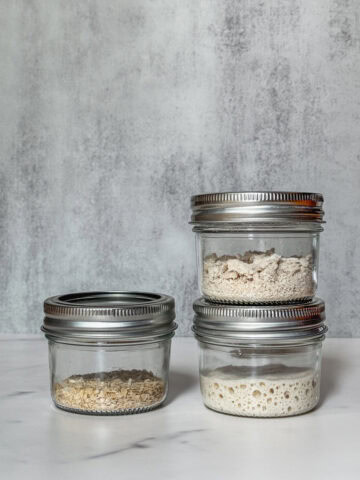
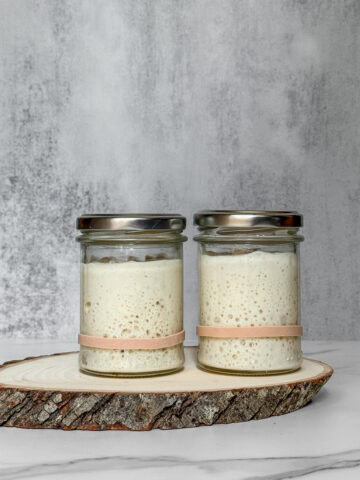
To store sourdough discard, transfer it to a clean, airtight jar with a lid. Store it on the counter for up to 2 days or in the refrigerator for about 1 week.
Make sure the jar is sealed tightly to prevent the discard from drying out or picking up other odors from the fridge. Remember to label the container with the date to track its freshness. Stir the discard before using it in recipes, as it may settle during storage.
You can also freeze the discard if you want to store it longer.
7. How long does sourdough discard last?
On the counter, sourdough discard lasts one to two days before it becomes too acidic to use. In the fridge, it stays good for about a week.
If you spot mold, unusual odors, or discoloration, it is time to discard it. To avoid waste, plan a regular routine for using or disposing of your discards, such as baking something delicious every weekend.
Also, get into the habit of checking your refrigerator each weekend and throwing away all the discards that are older than one week.
8. How can I avoid wasting sourdough discard?
You can reduce waste by using a no-discard method for maintaining your starter or planning your baking to use up the discard. Freezing small portions is also a great way to save it for later.
Instead of seeing sourdough discard as waste, consider it an opportunity to get creative in the kitchen. You might discover new favorite recipes that turn this by-product into a star ingredient.
9. What can I make with sourdough discard?
Sourdough discard is incredibly versatile. You can make pancakes, waffles, muffins, pizza dough, flatbreads, and crackers. It also works well in savory dishes, such as soups or marinades, for a tangy flavor. Plus, you can try using it for skincare, feeding chickens, or even in your garden.
10. Can I use sourdough discard straight from the fridge?
Yes, you can. Cold discard works fine in recipes like pancakes or crackers. Some recipes may call for room-temperature discard, but most will turn out just as well with cold discard.
11. Can I use sourdough discard to make a new starter?
Yes, you can use sourdough discard to create a new starter, although it might take more time than starting with a dehydrated starter. The discard contains wild yeast and bacteria, which are key ingredients for building a starter.
To get started, mix the discard with equal parts flour and water until it forms a thick paste, similar to a pancake batter. Then, feed it regularly, just as you would a new starter, and allow it a few days to grow into a healthy, active starter.
This technique is especially helpful if you've just poured all of your levain (active starter) into the bread dough, cleaned the jar, and are left with only discard in the fridge.
12. How does the age of sourdough discard affect its flavor?
Older sourdough discard develops a tangier flavor because of the longer fermentation process. This is ideal for recipes that benefit from a stronger sour taste, such as certain breads or pancakes. However, very old discards might not work well for recipes that require a good rise.
13. Can I use sourdough discard to bake bread?
You can bake bread with sourdough discard. While sourdough discard alone may not yield the same rise as a fully active starter, it can still produce flavorful bread. Try my sourdough discard sandwich bread.
14. What if my sourdough discard has a liquid layer on top?
The liquid, known as "hooch," is a byproduct of fermentation and is generally considered safe for use. Stir it back in before using it. However, if the liquid appears pink, has a moldy odor, or smells unpleasant, it is safe to discard it.
15. Can I freeze sourdough discard?
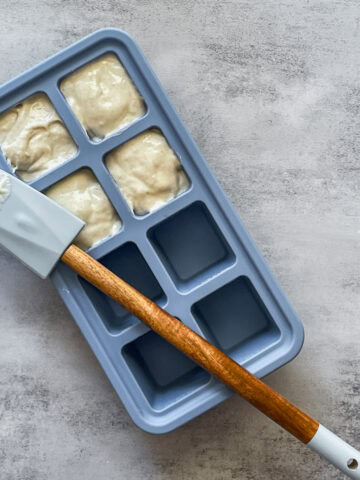
Freezing sourdough discard is a great way to preserve it for later use. Spoon it into ice cube trays or small, freezing-friendly containers, leaving a little space for expansion and freezing.
Once frozen, transfer the cubes into a freezer bag, label it, and store it in the freezer. When you want to use it, thaw the discard overnight in the fridge or at room temperature.
16. How can I tell if the sourdough discard has spoiled?
Spoiled sourdough discard may have mold, unusual colors such as pink or orange, a rotten smell, or a slimy, watery texture. If anything about it looks or smells off, do not use it.
Always trust your senses. If anything about the discard seems off or different from usual, it is better to be safe and discard it.
What's next?
Instead of seeing sourdough starter discard as a sourdough starter waste, discover
- How to Add Sourdough Discard to Any Recipe
- Creative Ways to Use up Sourdough Discard