
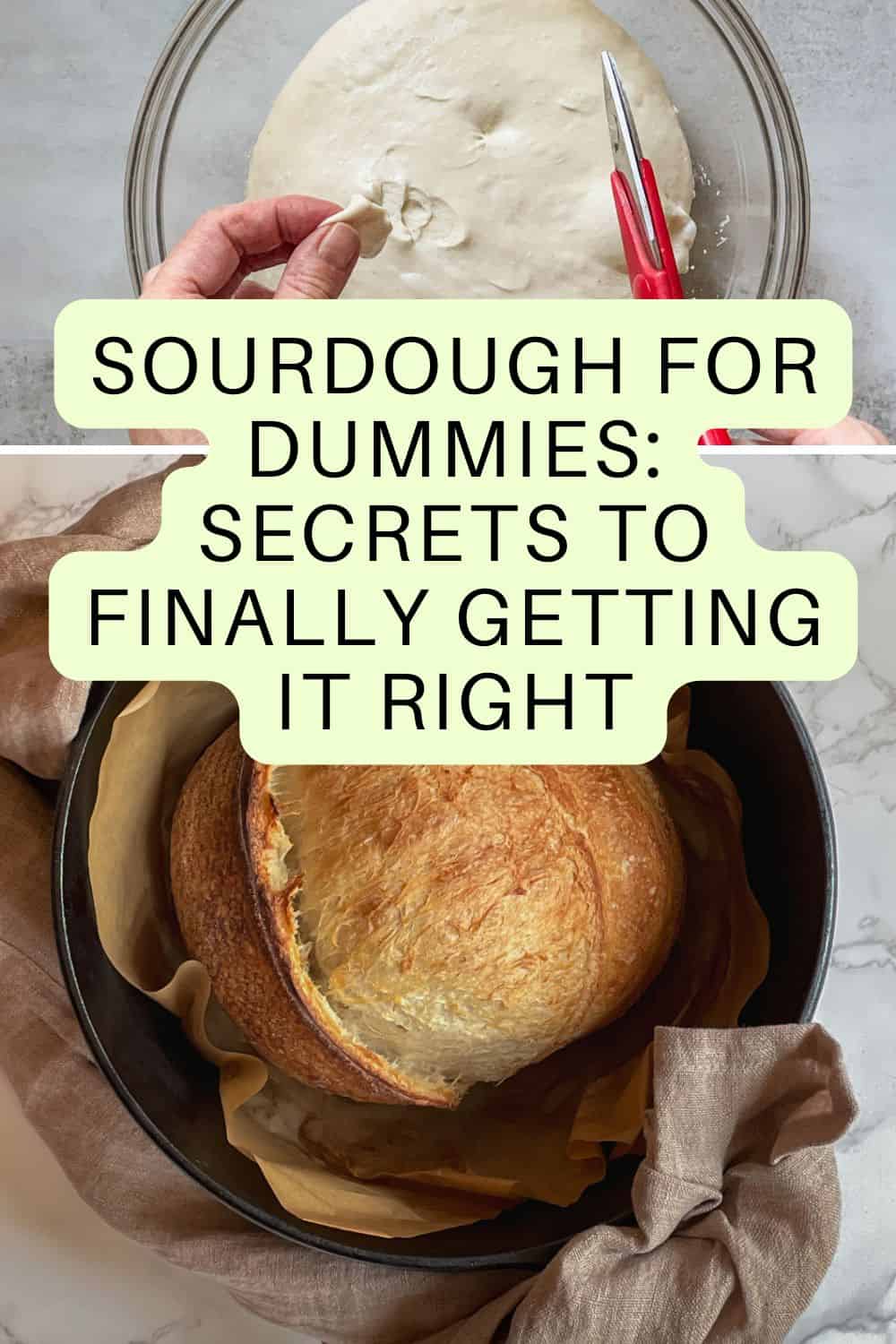
If you want to master sourdough baking without frustration and overwhelm, learn these 11 sourdough secrets I learned over the years.
I have been experimenting with flours, hydration levels, fermentation times, and every little trick I could find. I have learned that sourdough isn't just about following a recipe. It is about understanding the dough, listening to your starter, and discovering the subtle techniques.
Along the way, I have stumbled, failed, and had my fair share of dense, gummy loaves, but each mistake taught me something new. Through trial and error and careful observation, I have uncovered 11 secrets that most beginners don't know, and even some casual bakers overlook.
At a Glance
- Best for: Complete beginners who want to understand sourdough basics and avoid common early mistakes.
- What you'll learn: Essential sourdough principles, how to care for your starter, what affects fermentation, and practical tips for more consistent baking results.
- Skill level: Beginner
- Time commitment: About 8 minutes to read and apply the concepts, plus your recipe's normal fermentation and baking time.
- Key techniques: Feeding and maintaining a starter, reading fermentation cues, managing dough temperature, and building simple sourdough routines.
- Optional steps: Start a baking journal, experiment with timing and temperatures, and gradually adjust recipes as your confidence grows.
- Main takeaway: Successful sourdough baking comes from understanding the process and learning to read your starter and dough rather than strictly following the clock.
- Next step: Put these fundamentals into practice with a Beginner's Sourdough Bread Recipe and apply the techniques in a simple first loaf.
Jump to:
- At a Glance
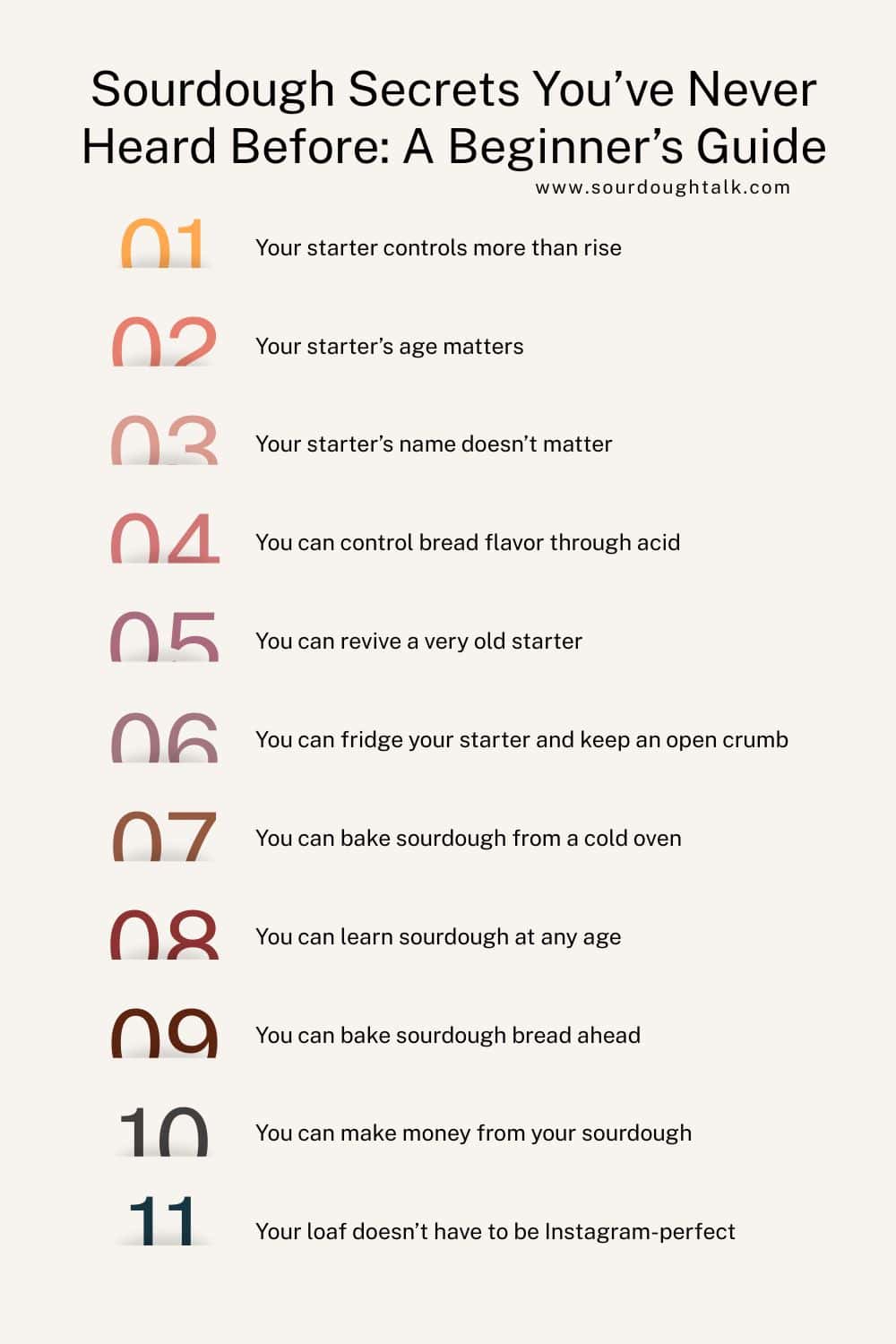
- Secret #1: Your starter controls more than rise
- Secret #2: Your starter's age matters
- Secret #3: Your starter's name doesn't matter
- Secret #4: You can control bread flavor through acid
- Secret #5: You can revive a very old starter
- Secret #6: You can fridge your starter and keep an open crumb
- Secret #7: You can bake sourdough from a cold oven
- Secret #8: You can learn sourdough at any age
- Secret #9: You can bake sourdough bread ahead
- Secret #10: You can make money from your sourdough
- Secret #11: Your loaf doesn't have to be Instagram-perfect
- Ready to keep learning?
- Comments
Secret #1: Your starter controls more than rise
Your sourdough starter isn't just yeast. It is a living ecosystem of wild yeast and lactic acid bacteria quietly at work.
How you feed it, how often you refresh it, and how healthy it is can completely change the flavor, texture, and how well your bread rises in the oven (what bakers call oven spring, the burst of lift that happens during baking).
But here is a lesser-known secret: your starter also plays a role in how long your bread stays fresh. A well-balanced starter produces natural acids during fermentation, and those acids help slow down staling.
Bread made with a strong, properly fermented starter tends to stay softer and taste better for longer than bread made with a weak or underdeveloped one.
However, the starter isn't acting alone. Sourdough hydration, how well the dough ferments, how the bread is baked, and even how it is stored all affect freshness, too. But everything starts with the starter.
Take the time to really get to know your starter, how it smells, how fast it rises, and how it reacts to feeding. Observing these little details is one of the most important steps in sourdough baking.
Secret #2: Your starter's age matters
Older starters carry flavor and complexity that younger ones don't have yet. Once you create a sourdough starter, it continues to mature over the first three to four months.
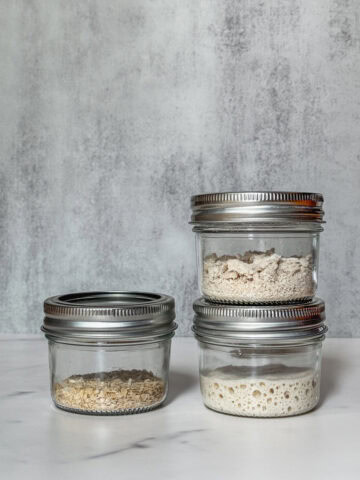
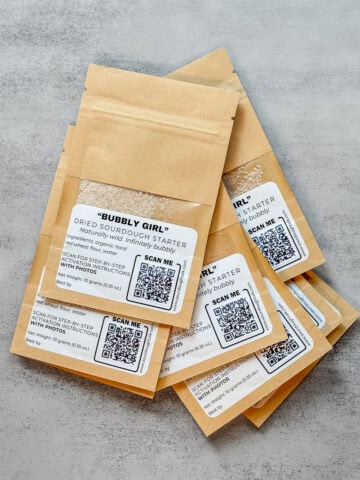
If you don't want to wait, you can always buy a starter online or borrow one from a local bakery, but don't worry about chasing ancient starters.
You don't need a 700-year-old Swiss starter or a 400-year-old Bavarian one to make amazing bread. Even a younger starter, given care and attention, can produce perfect sourdough loaves.
Secret #3: Your starter's name doesn't matter
Many bakers get excited about famous starters, like the legendary San Francisco sourdough starter, and wonder if using one will automatically make their bread amazing.
The truth is, the name doesn't matter at all. What really counts is how healthy and active your starter is and how you care for it.
Even if you bring home a famous starter, its microflora, the wild yeasts and lactic acid bacteria (LAB) that give sourdough its flavor, will start to change almost immediately. After just three to five feedings, your starter begins to adapt to your local environment.
The LAB that makes San Francisco sourdough so iconic, often Lactobacillus sanfranciscensis, will be present at first, but over time, your starter will develop its own unique community of microbes. Your flour, water, your hands, and kitchen temperature shape this ecosystem, meaning your sourdough will eventually have a flavor all its own.
So don't worry about chasing famous starters. All happens in your kitchen, one careful feeding at a time, and that is what really makes your bread special.
Secret #4: You can control bread flavor through acid
The tangy flavor of sourdough begins in the starter, and it all comes down to a balance between two types of acids: acetic acid, which gives a sharp, lively tang, and lactic acid, which produces a softer, creamier yogurt-like flavor.
One of the biggest secrets many beginners don't know is that temperature controls this balance. A starter that ferments in a slightly cooler environment promotes more acetic acid, giving your bread that bright, pronounced tang.
Warmer conditions, on the other hand, favor lactic acid and yeast activity, producing a milder, buttery flavor and a more vigorous rise. So experiment with your starter's temperature as it ferments to change the flavor profile of your bread.
Secret #5: You can revive a very old starter
One secret many beginners don't know is that a sourdough starter is incredibly resilient. Even if you break the jar, forget about it for weeks or months, or end up with a neglected starter sitting in the fridge with a dark liquid (called hooch) on top, don't throw it away just yet.
That old, unfed starter, what we call sourdough discard, can often be brought back to life. In most cases, it just needs a little patience and the right approach to revive an old sourdough starter.
Secret #6: You can fridge your starter and keep an open crumb
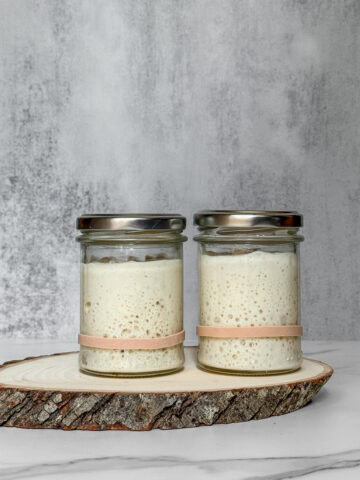
While chasing an open, lacy sourdough crumb, many bakers, including me, keep their starters on the counter for daily feedings. But the truth is, you don't need to feed your starter every day to create amazing bread. Many open-crumb heroes on Instagram store sourdough starters in the fridge, feeding them just once a week.
The trick is to give it time to wake up and become fully active again before mixing your dough. Even after refrigeration, the wild yeast and lactic acid bacteria in your starter are still working. They slow down while cold.
When you feed it and let it reach peak activity at room temperature, it will produce the same bubbles, tang, and rise as a starter kept on the counter. This means you can manage your starter more easily without daily feedings, while still baking loaves with a beautifully open crumb.
Secret #7: You can bake sourdough from a cold oven
While you learn that sourdough must always go into a blazing-hot oven to rise and develop a beautiful crust, you can actually bake sourdough from a cold oven.
This method works especially well for home bakers who don't have a cast-iron Dutch oven. You can use a simple roasting pan or oven-safe dish, and as the oven gradually heats, your loaf will slowly expand, develop a tender, airy crumb, and brown beautifully.
Baking from a cold oven is another example of how sourdough is forgiving and flexible, letting you adapt to your kitchen and schedule without sacrificing quality.
Secret #8: You can learn sourdough at any age
Despite tales of grandmothers baking bread without understanding the science behind sourdough, learning the basics of sourdough is key. You can start learning sourdough at any age, with any background, and with any cooking experience. Sourdough is as much about curiosity and patience as it is about skill.
Secret #9: You can bake sourdough bread ahead
You don't need to bake every day to enjoy fresh bread. You can bake multiple sourdough loaves at once and either freeze them or partially bake them for later. This lets you enjoy fresh sourdough without being chained to your kitchen.
Secret #10: You can make money from your sourdough
If you love baking, sourdough can even become a source of income. You can bake for your family, sell sourdough bread as a cottage baker, or even earn enough to cover college tuition.
Many bakers start small, sharing their bread with friends and neighbors, and grow from there. Your passion for sourdough can turn into a rewarding, profitable hobby.
Secret #11: Your loaf doesn't have to be Instagram-perfect
Not every sourdough loaf needs giant holes or an open, airy crumb. Homemade sourdough bread can be denser and tighter, which makes it perfect for spreading butter or holding toppings.
But if you love the dramatic, open loaves, chase that dream, but remember, every loaf you bake is perfect in its own way.
Ready to keep learning?
If you would like me to guide you step by step, sign up for my newsletter (if you haven't already). You will receive easy-to-follow daily emails, perfect for your morning coffee, that walk you through sourdough basics and gradually introduce more advanced techniques.
Each email is designed in a logical, step-by-step way, so you can learn sourdough baking without missing a beat or feeling lost.