
Sourdough starter vs. sourdough discard is one of the most confusing questions among beginner bakers. Let's discuss these two ingredients and whether you can use them interchangeably.
At a Glance
- Best for: Beginner sourdough bakers who are confused about the difference between sourdough starter and sourdough discard.
- What you'll learn: What makes starter "active" versus "discard," when each is used, and how both fit into your baking and maintenance routine.
- Skill level: Beginner
- Time commitment: About 5 minutes to understand the concepts, plus ongoing starter maintenance and baking time depending on your schedule.
- Key techniques: Feeding a starter, identifying peak activity, managing discard storage, and using discard in non-yeasted recipes.
- Optional steps: Store sourdough discard in the fridge for later use, or experiment with different discard ages to adjust flavor in recipes.
- Main takeaway: Active starter is used for fermentation and rising bread, while discard is an unfed starter that's still useful for adding flavor and reducing waste.
- Next step: Try using both starter and discard in simple recipes like sourdough pancakes, sourdough discard waffles, or pizza dough to understand the difference in practice.
Jump to:
Is sourdough starter the same as discard?
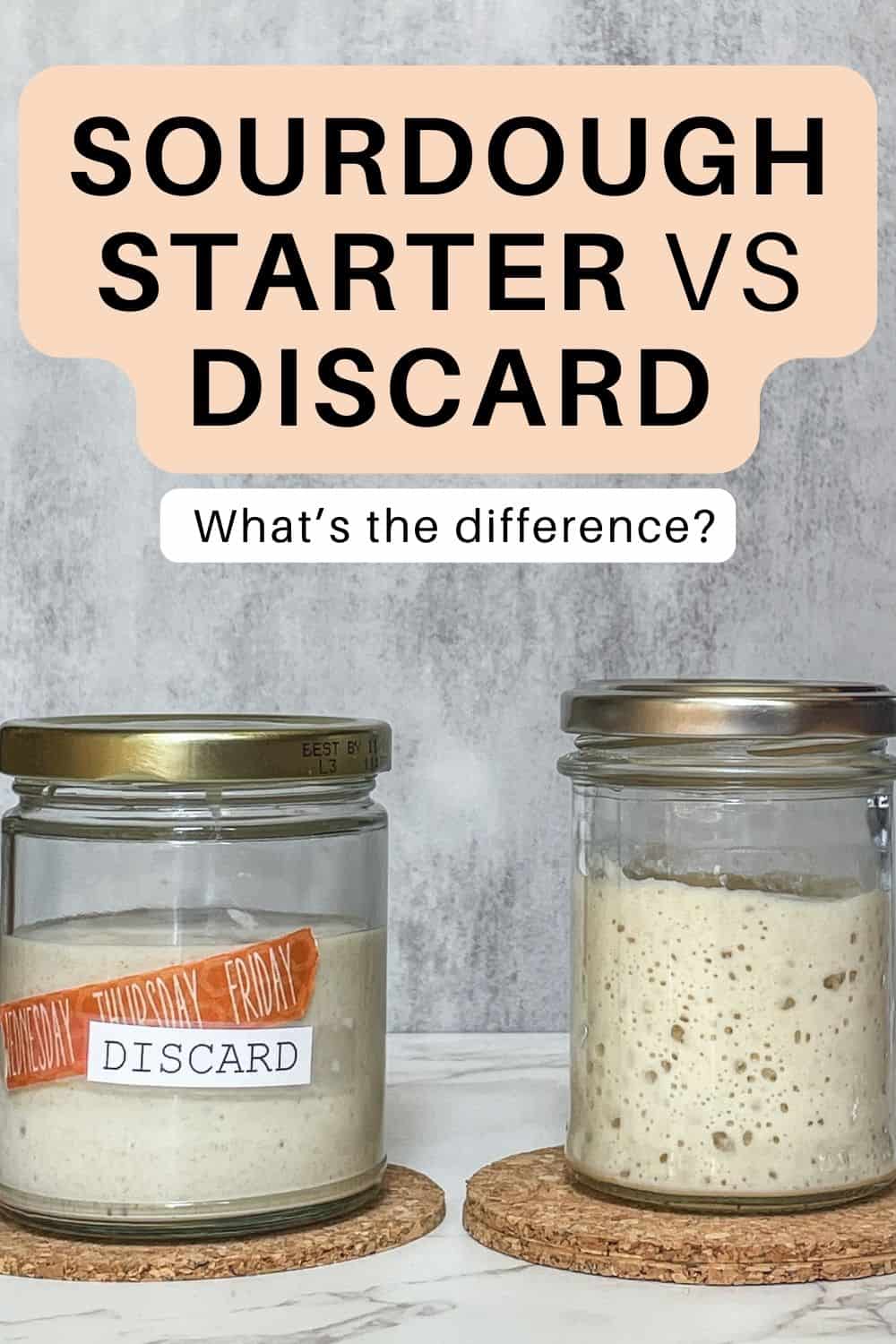
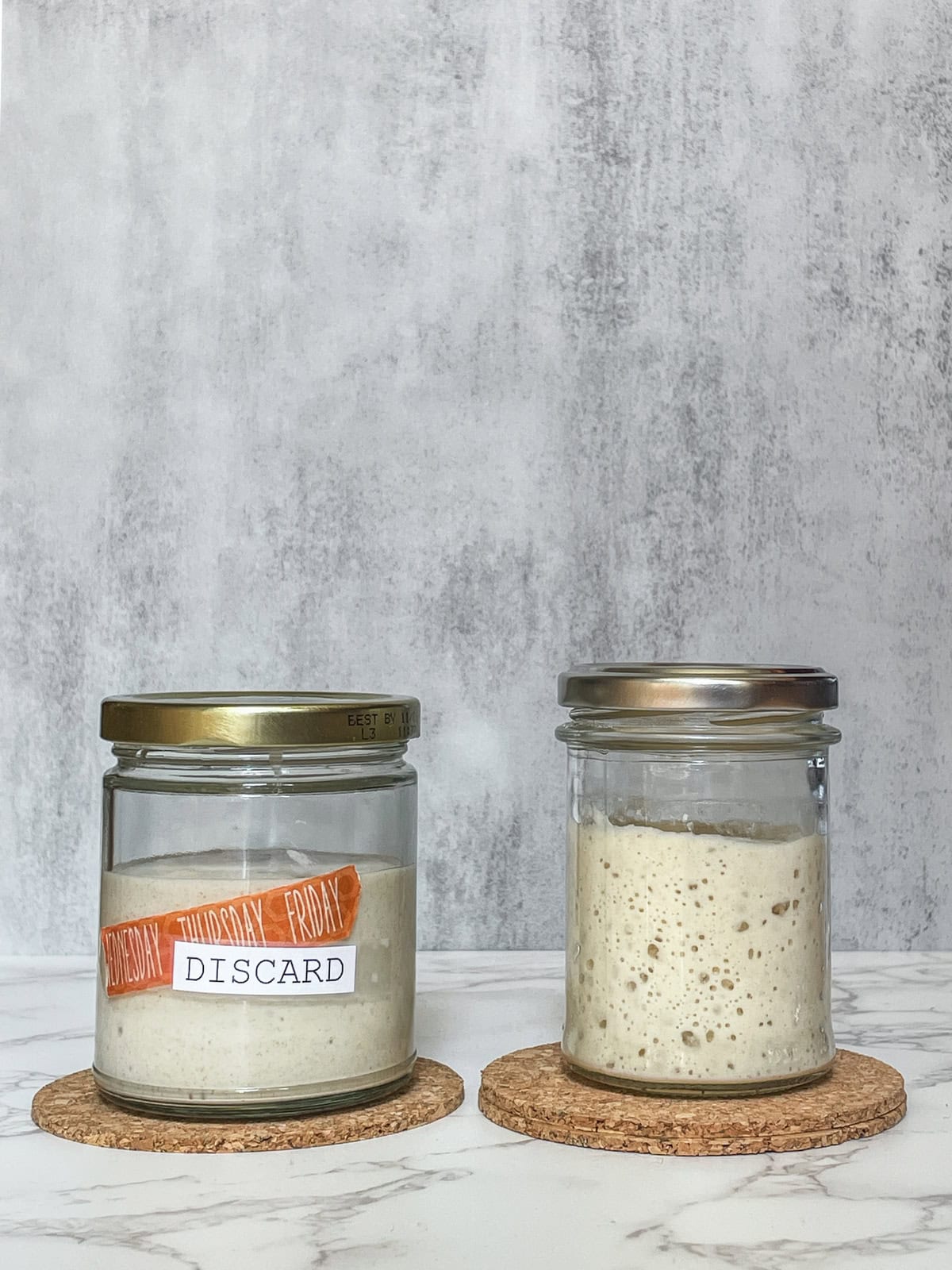
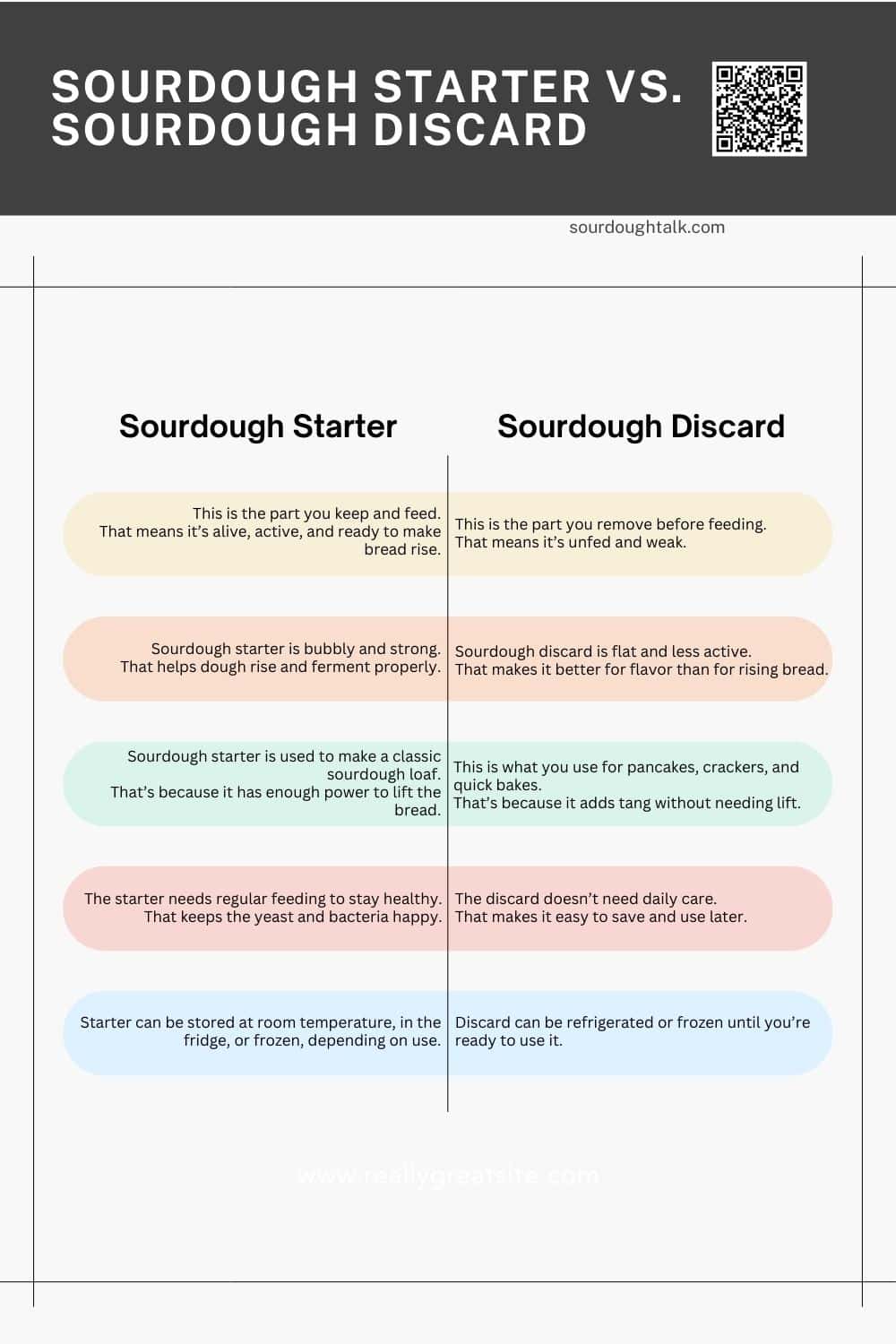
Sourdough starter and sourdough discard are both important parts of sourdough baking, but they are not the same.
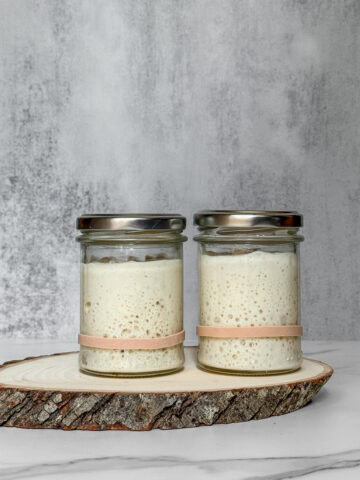
A sourdough starter is a mixture of flour and water that is left to ferment. This mixture grows into the "heart" of sourdough baking, where wild yeast and bacteria work together to create the rise and flavor in your bread.
You need to feed your starter regularly to keep it healthy and active. It becomes the base for all your sourdough recipes.
Sourdough discard, on the other hand, refers to the portion of the starter that is removed during feedings to keep it fresh and prevent it from growing too large.
Although it is not as powerful for making bread rise, it still has a tangy flavor and can be used in many other recipes. You can use it to make quick breads, pancakes, crackers, and tortillas.
So, while they both come from the same sourdough culture, sourdough starter and discard serve different purposes.
Understanding sourdough starter
The sourdough starter is a living mixture of wild yeast and bacteria that work together. The yeast helps the dough rise, and the lactobacilli bacteria give the bread its tangy flavor. A strong and well-maintained starter is important for making sourdough bread.
Your sourdough starter is unique to you. It will pick up local yeast and bacteria from your environment, so each starter is different.
That is why, whether you buy a San Francisco starter or a Swiss starter that is 400 years old on Etsy, it will still be unique to you and your environment.
Although these starters have a history, once you begin using them in your kitchen, they will pick up yeast and bacteria from the air, your work surface, and your hands.
Over time, your starter will grow its own personality and flavor based on where you live and how you care for it. So, even if you start with a famous or old starter, it will slowly adapt to your kitchen and become just as special as any starter passed down through generations.
The role of sourdough discard
Even though sourdough discard is often seen as waste, it can actually be very useful. The discard is removed from the starter during feeding. This helps prevent the starter from growing too much and becoming too acidic. It also keeps the starter healthy and strong.
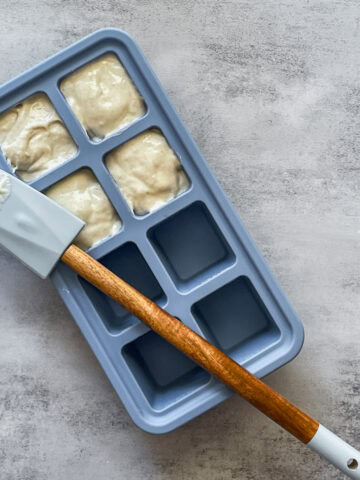
Once you remove the discard, you can store it in a jar in the fridge for later use. This discarded portion of the starter still has plenty of flavor and can be used in various discard recipes.
FAQ
The answer is both yes and no. Discard is the portion removed before feeding and is usually weak and unfed, so it is not active enough to properly leaven bread. Unloaf Sourdough bread recipe, however, specifically uses discard. If you feed it several times until it becomes active, you can use it like a regular starter.
Yes, but the discard's age and strength affect how well the new starter develops. Young or weak discard may not work reliably. Feeding and refreshing it several times will turn it into a strong, active starter.
Discard doesn't have the same rising power as an active starter, but it still contains wild yeast and bacteria that add flavor. It is great for recipes that benefit from sourdough flavor without needing full leavening (see my guide to adding sourdough discard to any recipe).
Let's talk sourdough
Could you turn your leftover discard into a new starter? I'd love to hear about your attempts and results.
Ready to keep learning?
Now that you know how starter and discard differ, it is time to think about where to keep them. Choosing the right sourdough starter jar makes maintenance easier and cleaner.