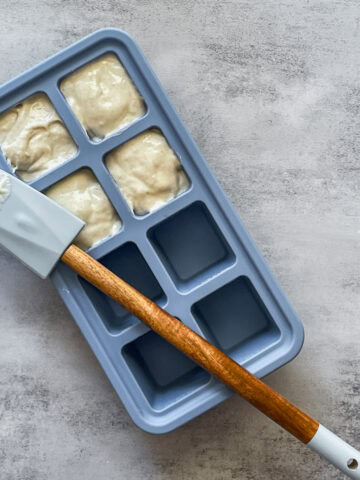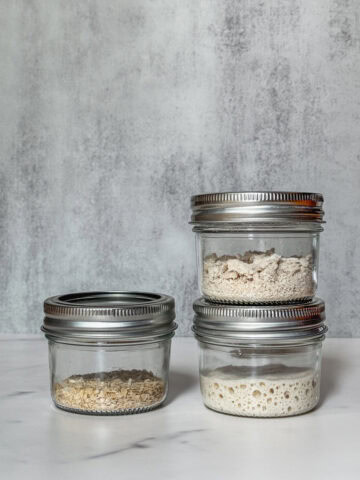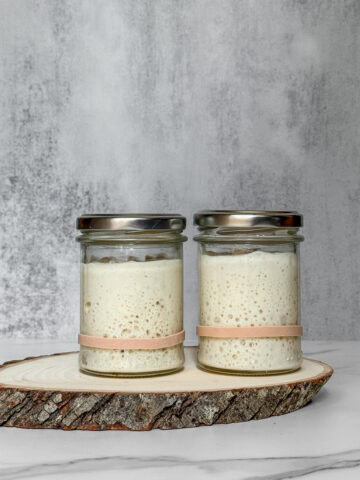

If you bake with sourdough, you have probably asked yourself the same question more than once: What should I do with all this discard? And chances are, you have also wondered how to add sourdough discard to any recipe you bake.
In the sourdough world, there are two kinds of bakers: those who don't worry much about discard, and those who save every last spoonful because it feels too precious to waste.
If you are in the second group, this article is for you. You will learn how to turn your growing jar of discard into delicious additions for everyday baking. Don't forget to download my handy one-page sourdough discard conversion chart.
One thing to keep in mind: adapting recipes with discard takes a bit of trial and error. Little ingredient tweaks and a little experimentation are part of the process, but once you understand the basic adjustment, it becomes second nature.
At a Glance
- Best for: Beginner and intermediate bakers who want to use sourdough discard in everyday recipes without following discard-specific recipes.
- What you'll learn: How to calculate recipe adjustments, replace flour and liquid correctly, and choose the right amount of discard for different baked goods.
- Skill level: Beginner
- Time commitment: About 10-15 minutes to calculate and adjust a recipe, plus the recipe's normal baking or fermentation time.
- Key techniques: Working with 100% hydration discard, subtracting equal amounts of flour and liquid, scaling discard additions, and storing discard safely.
- Optional steps: Experiment with different discard ages and adjust amounts to create a milder or tangier flavor.
- Main takeaway: Treat sourdough discard as part flour and part water, then reduce the recipe's flour and liquid accordingly to keep everything balanced.
- Next step: Try adding discard to a simple recipe, such as pancakes, muffins, or pizza dough, to practice the adjustment method.
Jump to:
- At a Glance
- What is sourdough discard?
- When can you use sourdough discard?
- How to add sourdough discard to any recipe
- How much discard can you add?
- Do you need to change the leavening?
- Does sourdough discard change fermentation time?
- How discard affects flavor and texture
- Example: Adding discard to a recipe
- Can you use discard in sweet recipes?
- Can you use discard in savory and non-baked recipes?
- How to store sourdough discard safely
- Common mistakes when using discard
- Let's talk sourdough
- Ready to keep learning?
- Comments
What is sourdough discard?
Sourdough discard is the portion of the starter removed before feeding. Although it is no longer strong enough to leaven bread on its own, it is still made of fermented flour and water.
It contains natural acids, wild yeast, and lactic acid bacteria, all of which contribute flavor, moisture, and tenderness in baked goods. This is why discard works in everything from pancakes and muffins to crackers and pizza dough.
If you want a deeper understanding of your starter and its maintenance, check out sourdough starter vs. sourdough discard and why you must discard.
When can you use sourdough discard?
You can add sourdough discard to most baked goods, as long as it is used for flavor and texture rather than as the primary leavening.
It works well in recipes that already contain yeast, baking powder, or baking soda, as well as in long-fermented or unleavened doughs. What is most important is that discard is treated as a wet ingredient made of both flour and water.
For tips on keeping your discard consistent and avoiding waste, read about a no-discard sourdough starter method.
How to add sourdough discard to any recipe
The most important concept when adding discard is hydration. Most bakers keep a 100% hydration sourdough starter, meaning equal parts flour and water by weight.
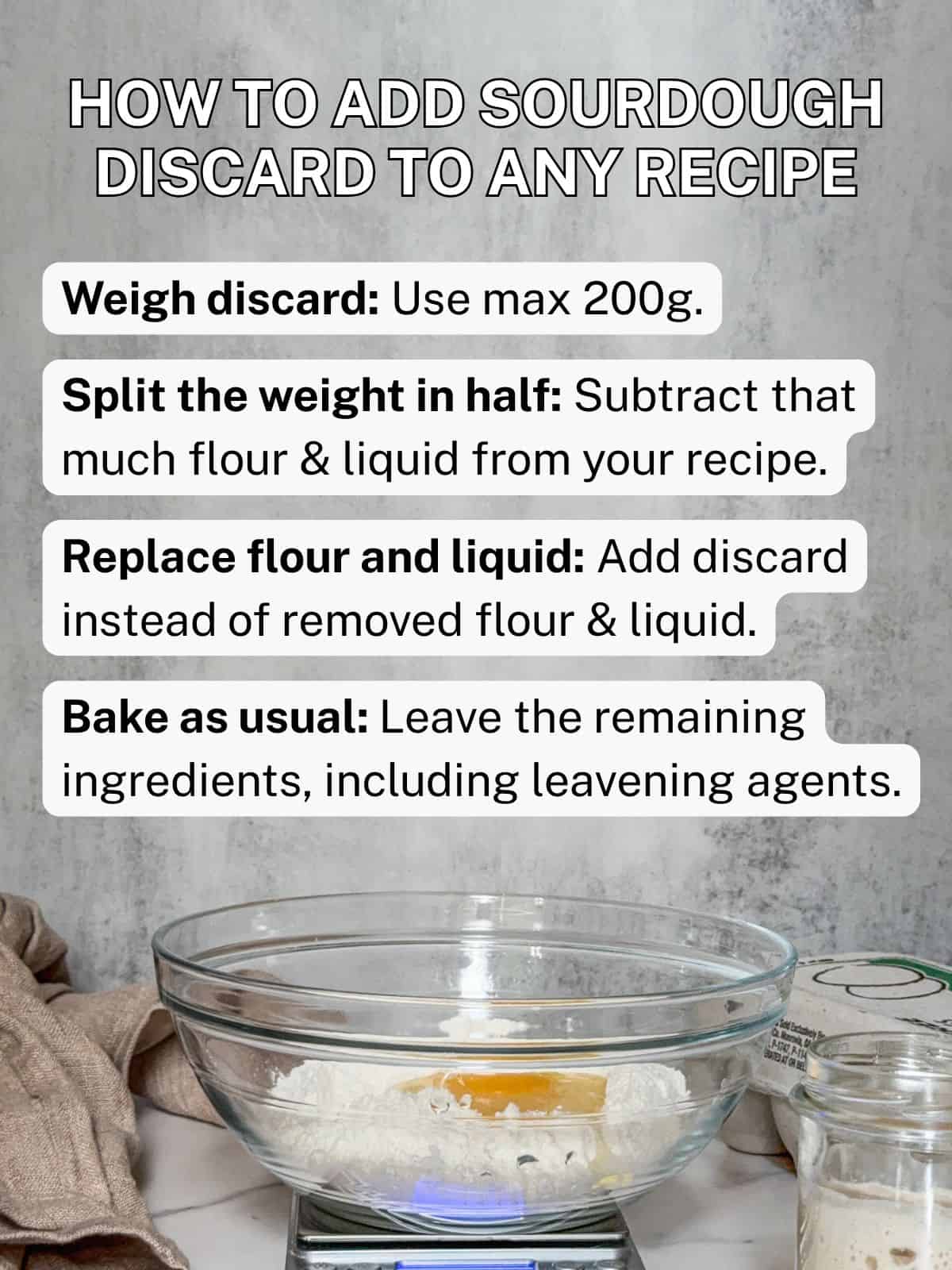
Because of this, when you add discard to a recipe, you must remove the same amount of flour and liquid from the original formula to keep the dough balanced.
In simple terms, for every 100 grams of discard added, you subtract 50 grams of flour and 50 grams of liquid.
If the recipe doesn't include water, milk, or other liquids, consider other ingredients with liquid content, such as eggs or yogurt. Research the liquid content per egg or 100g of yogurt.
Here is how to add sourdough discard to any recipe:
- Step 1: Review your recipe and note the amounts of water, other liquids, and flour. If the recipe uses US measurements, convert cups to grams. For example, my recipe calls for 200g of milk and 300g of flour.
- Step 2: Decide how much sourdough discard you want to add to the recipe. For example, I want to add 100g of discard.
- Step 3: Divide the discard weight by 2 and remember that number. In my example, 100 ÷ 2 = 50. That means 100g of 100% hydration discard contains 50g of water and 50g of flour.
- Step 4: Subtract half of the discard weight (50 grams) from both the flour and liquid measurements in the recipe. Using my example, I would reduce the flour from 300 grams to 250 grams and the milk from 200 grams to 150 grams. The new ingredients for the recipe would now be 100 grams of discard, 250 grams of flour, and 150 grams of milk.
Note: Leave the remaining recipe ingredients, including leavening agents, unchanged.
How much discard can you add?
Replace 10-30% of the flour with discard for most recipes, and for typical home batches, try to stay within 100-200 g to keep the dough balanced.
Quick breads, pancakes, waffles, and muffins tolerate higher amounts of discard without problems. Cookies, brownies, and cakes usually work better with smaller additions. Cracker doughs, pizza dough, and flatbreads can take larger percentages and benefit from the added fermentation flavor.
As the amount of discard increases, acidity and softness also increase. Using too much weakens the structure or overpowers the flavor, so start small.
Do you need to change the leavening?
If a recipe uses yeast, the yeast should remain in the formula. Discard adds flavor and acidity but doesn't provide reliable lift for bread unless the recipe is specifically designed for discard fermentation.
When baking with chemical leaveners, baking soda often reacts with the natural acidity of the discard. Still, in most cases, the original leavening should stay unchanged unless the recipe is written specifically for discard use.
Does sourdough discard change fermentation time?
When discard is added to yeasted dough, fermentation moves slightly faster because the natural acids help activate the yeast.
In quick breads and batters, there is almost no change in timing because the rise is driven by chemical leavening rather than fermentation.
In long sourdough-style doughs, discard increases acidity and flavor but doesn't replace the fermenting power of an active starter.
How discard affects flavor and texture
Fresh discard (taken from your starter before feeding) adds a mild, creamy tang and improves moisture and crumb softness.
Older discard contributes a more pronounced sour flavor, which works especially well in savory recipes like crackers and pizza dough.
Discard also enhances browning and aroma because fermented flour contains more available sugars.
Example: Adding discard to a recipe
Imagine a pancake recipe that uses 200 grams of flour and 250 grams of milk. If you add 100 grams of 100% hydration sourdough discard, you reduce the flour by 50 grams and the milk by 50 grams. The rest of the recipe stays the same.
For example, the original pancake recipe includes:
- 200 g flour
- 250 g milk
- 1 teaspoons baking powder
You want to add:
- 100 g discard
Adjust:
- Reduce flour by 50 g: 200 - 50 = 150 g flour
- Reduce milk by 50 g: 250 - 50 = 200 g milk
You can make the same adjustment as for bread dough. If you add discard to a yeasted sandwich loaf, you keep the yeast, reduce flour and water, and enjoy a deeper flavor and better crust color.
In sourdough bread, the discard should be treated as a flavor addition, not the main leavening agent. While it is possible to bake bread using discard alone, like in this unloaf sourdough bread, you shouldn't expect a strong oven spring. The real payoff is in the flavor.
Can you use discard in sweet recipes?
The answer is yes. Banana bread, cinnamon rolls, chocolate cake, brownies, muffins, and waffles all benefit from the added moisture and subtle tang of discard. Choose "young" discard that is 1-2 days old to avoid an overly sour taste.
Can you use discard in savory and non-baked recipes?
Discard works well in savory recipes such as crackers, pizza dough, flatbreads, dumpling wrappers, and frying batters. Use discard that is about 2-7 days old, when the flavor is well developed but not overly sharp.
How to store sourdough discard safely
Store sourdough discard in the refrigerator and use it within 7 to 10 days for a mild flavor. You can use an older discard to bake with, but it will taste more tangy. Any sourdough discard with signs of mold must be discarded immediately for safety.
Common mistakes when using discard
Most problems occur when bakers add discard without adjusting flour and liquid, expect discard to replace yeast entirely, or use large amounts in delicate cakes. Avoid these mistakes, and discard becomes very predictable and easy to work with.
Let's talk sourdough
Are you a saver or a tosser when it comes to sourdough discard? I'm curious, what recipes have you experimented with?
Ready to keep learning?
Finally, wrap it all up by checking Sourdough Starter: FAQs for answers on maintaining, using, and troubleshooting your starter.