
One of the most common questions new sourdough bakers ask is, "Do I have to discard some of my starter when I feed it?" The answer is yes if you want to build a healthy and active starter.
However, if you store your starter in the fridge and only bake occasionally, you might not need to discard as much. There is even a no-discard method to maintain a sourdough starter healthy and active.
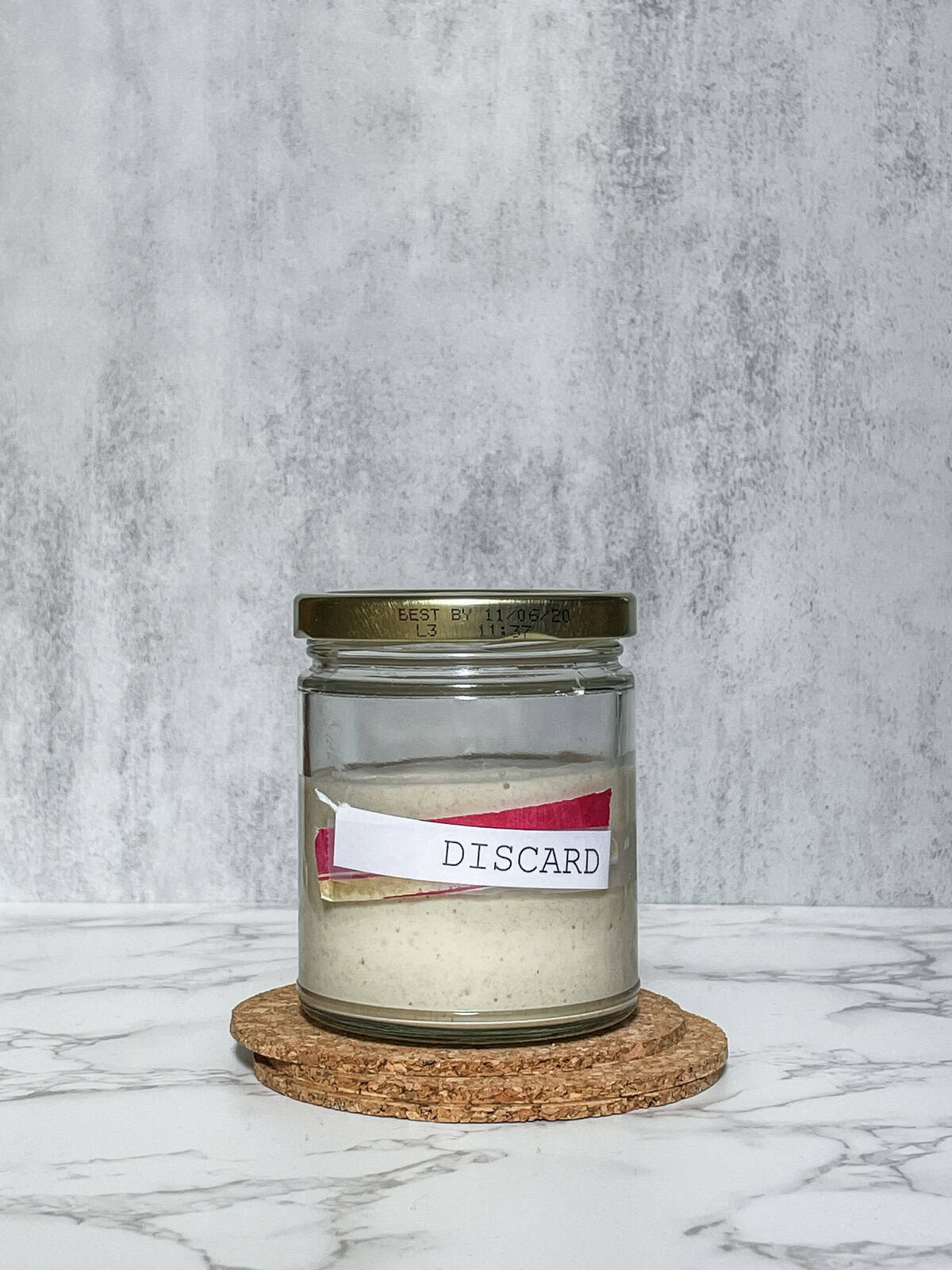
At a Glance
- Best for: Complete beginners and home bakers wondering why sourdough starter needs to be discarded during feedings.
- What you'll learn: Why discarding keeps your starter healthy, when you can skip it, and how to reduce waste and use discard in recipes.
- Skill level: Beginner
- Time commitment: About 5-6 minutes for feeding and maintenance, plus your starter's normal fermentation time between feedings.
- Key techniques: Discarding before feeding, maintaining feeding ratios, storing starter in the fridge, and managing starter acidity.
- Optional steps: Try a no-discard maintenance method or keep a smaller starter to minimize waste.
- Main takeaway: Discarding isn't a wasted starter. It's a simple way to keep your sourdough culture balanced, active, and easy to manage.
- Next step: Learn the difference between sourdough starter and discard so you know when and how to use each one.
Jump to:
- At a Glance
- Why you must discard some starter
- The science behind sourdough starter discard
- When to discard sourdough starter
- When you don't have to discard
- Is discarding sourdough starter wasteful?
- How to minimize sourdough starter waste
- What to do with sourdough discard
- When not to use discard
- FAQ
- Let's talk sourdough
- Ready to keep learning?
- Comments
Why you must discard some starter
When feeding a sourdough starter, it is essential to discard a portion to help control the amount you work with. The starter would grow too quickly without discarding, leaving you with a huge quantity.
For example, if you start with 10 grams of starter and feed it daily at a 1:4:4 ratio, you could have over 800 grams by the third day. More starter means you need more flour to feed it, which can lead to unnecessary waste.
Discarding also keeps your starter strong and active. This results in a starter with the rising power needed to create a great oven spring for your bread.
Additionally, discarding helps maintain a balanced flavor.
The science behind sourdough starter discard
Sourdough starter is a living culture of wild yeast and bacteria. Once you feed the starter, the yeast ferments the sugars in the flour, producing carbon dioxide. This causes the starter to rise.
The yeast population decreases as the available food is consumed, and lactic acid bacteria become more dominant. This leads to excess acid, which harms the yeast and affects fermentation.
Without discarding part of the starter and feeding it fresh flour and water, the starter turns into an acidic sourdough starter, which negatively affects the bread dough's rise. Eventually, some liquid, called hooch, forms on top.
To maintain a balanced microbial population, you must regularly discard and feed the starter with fresh flour and water.
When to discard sourdough starter
First and foremost, you must discard the sourdough starter during regular feedings.
When you make sourdough starter from scratch, you must regularly discard some of it to prevent it from growing too large and provide the yeast and bacteria with enough food to thrive.
Finally, if you keep a large amount of starter and aren't using it for baking, it is essential to discard some to prevent overgrowth and acidity buildup.
When you don't have to discard
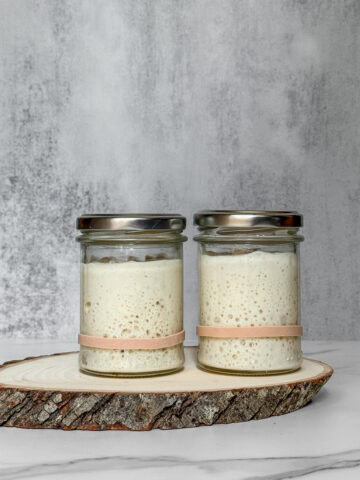
If you bake weekly and store your starter in the fridge, you can avoid regularly discarding it. In this case, you only need to feed your starter once or a few times before baking (see my guide to storing sourdough starter).
For example, you can keep 100 grams of starter in the fridge. Before baking, feed the starter to create the desired levain amount, bake your bread, and then store the leftover starter in the refrigerator for next time.
If you want to create a starter with stronger flavors, you can skip discarding some of it during feedings. This will make your starter more acidic over time.
However, this method also lowers the amount of yeast in your starter, so you will need to use more starter when baking. The acidity will weaken the starter, and you may have to troubleshoot sourdough starter problems later.
Is discarding sourdough starter wasteful?
Discarding some sourdough starter is not actually wasteful, even with daily feedings. Think of it as peeling a potato, a carrot, or removing the outer leaves from a cabbage.
While these parts are removed, they help keep the rest of the food fresh and usable. Similarly, discarding some of your sourdough starter helps keep the remaining starter healthy and active.
Also, feeding a small amount of starter, such as 4-5 grams, twice a day for a month costs only about $4-6 (the price of bread flour). So, the cost of maintaining your starter is pretty low.
How to minimize sourdough starter waste
If you still consider the sourdough starter discard as waste, here are three ways to reduce it.
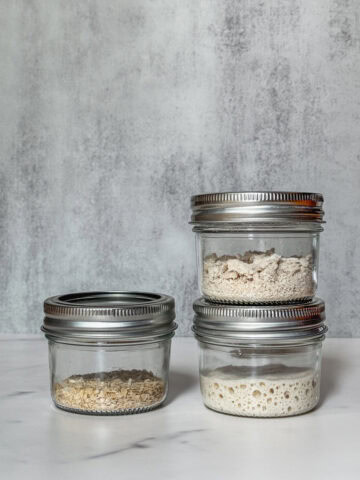
First, feed a small amount of starter, even just 3-5 grams. You will have to throw away less if you feed a smaller amount. For example, feeding 5 grams of starter with a 1:4:4 ratio creates much less waste than feeding 20 grams at the same ratio.
Another option is to keep your starter in the fridge and feed it less frequently, such as once a week.
Lastly, you can maintain a sourdough starter without discarding it, which is a great, waste-free solution (see my guide on maintaining a sourdough starter with no discard).
What to do with sourdough discard
Instead of throwing it away, use it in sourdough discard recipes. Discard adds a unique tangy flavor to pancakes, muffins, cookies, and more. Once you discover how delicious it can be, you will see it as a valuable ingredient instead of a waste.
Also, you can add sourdough discard to almost any recipe to boost its flavor. Once you discover how delicious it can be, you will see it as a valuable ingredient instead of a waste.
When not to use discard
There are times when sourdough discard is not safe to use. Avoid using it during the first 10 days (according to some, 7 days) after starting a new sourdough starter or if you notice mold, orange or pink discoloration, or a bad sourdough starter smell.
Discard it if it has been exposed to direct sunlight or high temperatures for 1-2 days, left at room temperature for 3-4 days, or stored in the fridge for 1 ½ to 2 months (although some bakers revive older starters).
FAQ
When you rehydrate sourdough starter, you can start using the discard from Days 2 to 4 of the process. This discard comes from an established starter, so it is safe to use.
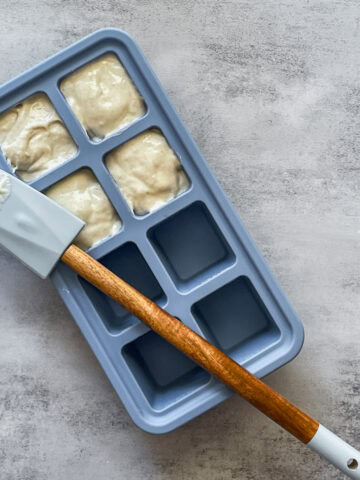
You can keep sourdough discard in the fridge for up to one week in an airtight container to prevent it from drying out or absorbing odors. For longer storage, you can freeze it for a few months.
Let's talk sourdough
Do you discard your sourdough starter regularly, or have you found a way to minimize waste? Share your thoughts in the comments.
Ready to keep learning?
Once you understand discarding, learn how sourdough starter and discard differ.