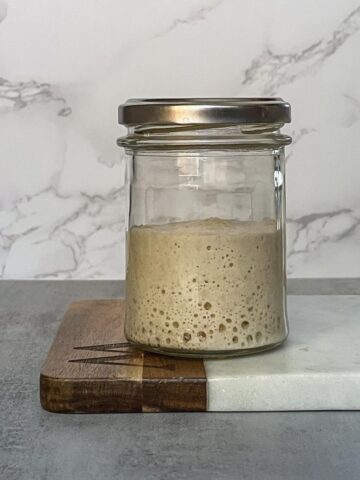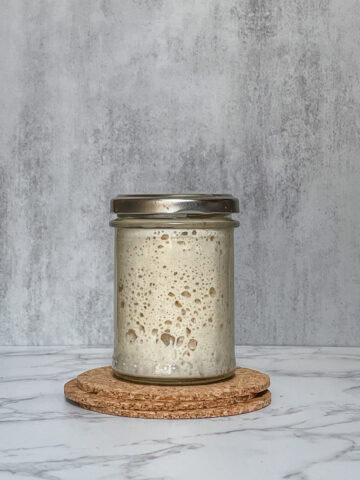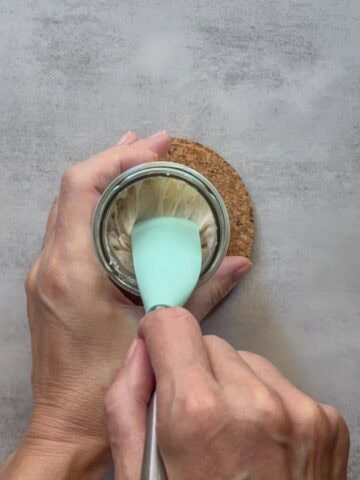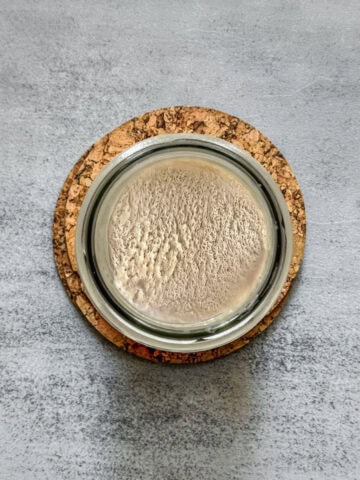

Troubleshooting sourdough starter problems is one of the most common challenges for both beginners and experienced bakers.
In this article, I will answer the questions I hear most often, starting with the "why" behind each issue. I will cover the most common starter problems and share practical tips to fix them.
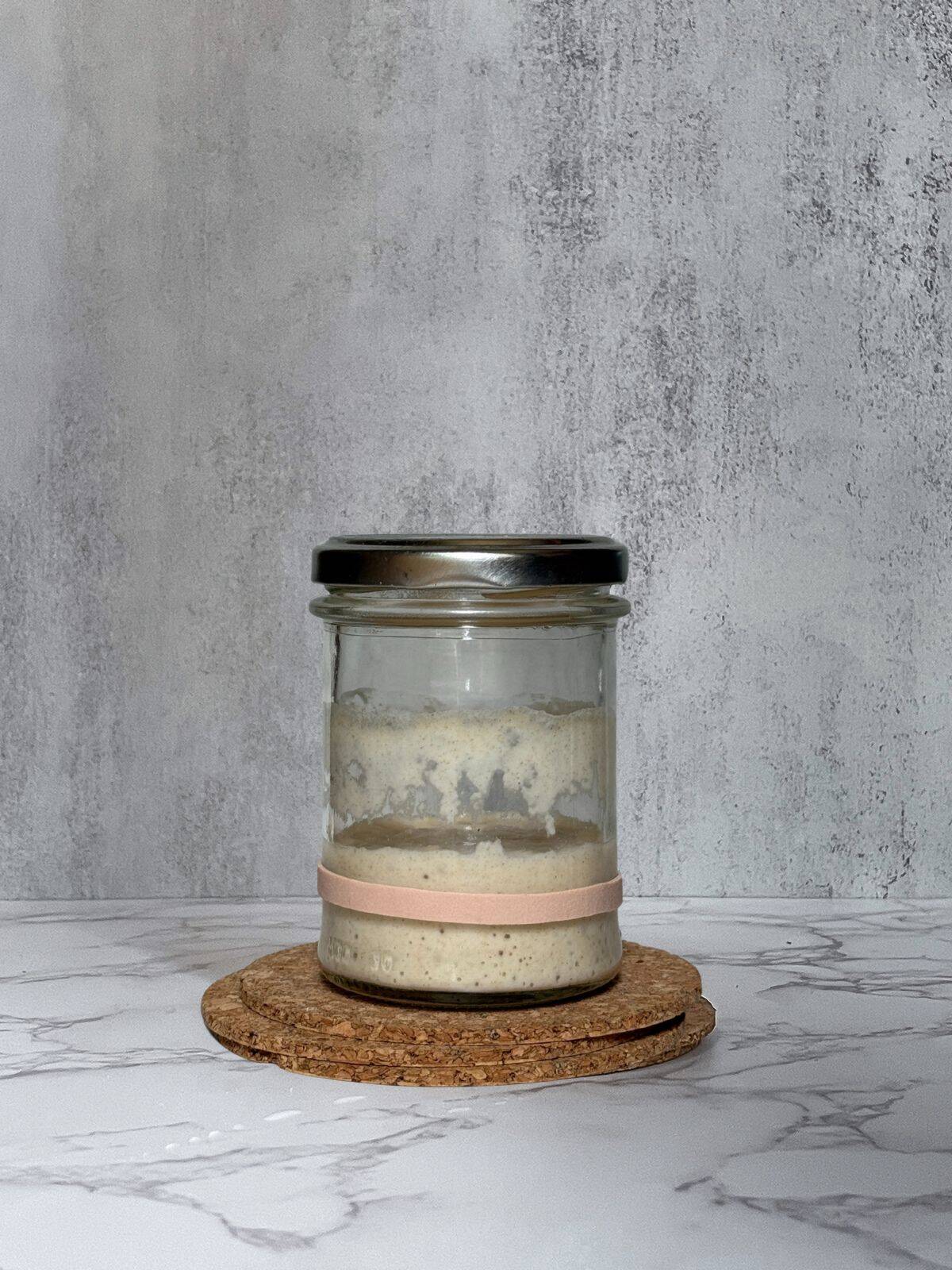
1. Why isn't my sourdough starter rising at all?
If your starter isn't rising, check your feeding schedule and ratios. Make sure you are feeding it enough to keep it active and healthy (see my guide to feeding sourdough starter).
Another factor to consider is temperature. A starter loves warmth, so aim to keep it in a space with a steady room temperature of around 75-78°F (24-25.5°C) (see my guide to keeping sourdough starter warm).
If you are starting out, create a sourdough starter at 76-80°F (24-27°C) for the best results. Avoid exposing your starter to direct sunlight, as too much heat or UV light can harm it.
Also, use good-quality ingredients, such as unbleached flour and filtered or spring water (see my guide to choosing sourdough starter ingredients), and avoid tap water with chlorine or distilled water, which can slow your starter.
2. Why is my starter reacting badly to tap water?
Some tap water contains chlorine or other chemicals that can slow down or stress the yeast and bacteria in your sourdough starter. This can make it sluggish, thin, or less bubbly. To avoid this, try using filtered or bottled spring water when feeding your starter.
3. Why does my starter rise and collapse too quickly?
This happens when your starter is very active and ferments faster than expected. It can rise quickly and then collapse as the yeast exhausts the available food.
To slow it down, try feeding it more frequently, adjusting the flour-to-starter ratio, or keeping it in a slightly cooler spot. Watch the time and volume over a few days to learn your starter's rhythm.
4. Why doesn't my starter double consistently?
A starter may not double consistently due to temperature fluctuations, irregular feeding schedules, or changes in flour type. Starter is a living culture, so its activity can vary day to day. Keep a consistent feeding routine, use the same flour, and maintain a stable, warm environment to help it rise reliably.
5. Why does my starter take so long to peak?
A slow-rising starter is usually caused by cooler temperatures, a young starter that hasn't fully developed, or a low starter-to-flour-and-water ratio. When you feed a small amount of starter into a large amount of flour and water, the yeast and bacteria are diluted and need more time to consume all the food.
To help your starter peak faster, try feeding it at a lower feeding ratio, keep it in a warmer spot, and maintain a regular feeding schedule.
6. Why doesn't my sourdough starter have big bubbles?
Large bubbles are not a reliable indicator of a healthy sourdough starter. The number and size of bubbles mostly reflect the type of flour you use.
White flour with a protein content of 13-15% (for example, Cairnspring bread flour) usually produces larger, more numerous bubbles, while whole-grain flour traps less gas and creates smaller bubbles.
The jar also plays a role: the "right" sourdough starter jar provides proper airflow and enough room for the starter to expand (see my guide to the best sourdough starter jar).
7. Why does my starter bubble but not rise?
This usually happens when your starter is active but still young and not fully developed. Newly created sourdough starters often produce bubbles before they have enough strength to rise well.
Continue feeding your starter consistently, and keep it slightly warmer to help it mature and gain strength over time.
8. Why is my starter slowing down in a cold kitchen?
Yeast and bacteria in your sourdough starter are sensitive to temperature. In a cold kitchen, fermentation slows, so your starter takes longer to rise, peak, and develop flavor.
To help it stay active, try keeping your starter warm: store it in a warmer spot, use warmer water when feeding, or give it a bit more frequent feedings at a lower ratio.
9. Why is my starter growing unevenly in the jar?
Uneven growth usually happens when your starter is warmer on one side of the jar or when it hasn't been stirred thoroughly after feeding. Yeast and bacteria are sensitive to temperature and distribution, so the top or sides may bubble faster than the rest.
To encourage even growth, stir your starter well when feeding, rotate the jar occasionally, and keep it in a spot with consistent temperature.
10. Why isn't my feeding ratio producing enough activity?
If your starter isn't very active, it could be because the feeding ratio is too low or too high for its current strength. Too little starter relative to flour and water dilutes the yeast, slowing fermentation, while too much starter exhausts the food quickly.
Adjust your sourdough starter feeding ratio, feed your starter at consistent intervals, and keep it at a warm, stable temperature for more active, reliable rises.
11. Why did my starter get weaker after switching to a different flour?
Your starter relies on the nutrients in flour to stay strong. Different flours have varying amounts of protein and natural sugars, which can affect yeast and bacterial activity.
Once you try switching from a high-protein flour, like bread flour, to a lower-protein one, or from whole-grain to all-purpose, it can temporarily slow your starter. Try continuing feedings and give it some time to adjust.
12. Why does my starter become too sour in warm weather?
At warm temperatures, the lactic acid bacteria in your sourdough starter become more active than the yeast, producing more acid. This can make your starter taste tangy or sour and may cause it to peak and collapse faster.
To balance it, try feeding your starter more frequently, using a slightly cooler spot, or adjusting the hydration to slow fermentation and keep the flavor milder (see my guide on how temperature affects sourdough).
13. Why is my starter drying out on the surface?
A starter can dry out if it is exposed to air for too long or if it is kept in a jar that isn't well-covered. This often creates a thin, dry layer on top, sometimes called a "crust," but it doesn't necessarily mean your starter is ruined.
To prevent this, use a loose-fitting lid and avoid covering it with a paper towel, cloth, or coffee filter. If only the surface has dried, gently scrape it off before feeding.
14. Why does my 100% whole wheat starter turn too acidic?
Whole wheat flour ferments faster than white flour because it has more nutrients for the yeast and bacteria. This causes a 100% whole-wheat starter to quickly develop a very tangy, sour, or acidic smell and taste.
To balance it, feed your starter more frequently, keep it slightly cooler, or mix in some white flour to slow fermentation and reduce acidity.
15. Why does my rye starter ferment so fast?
Rye flour is rich in nutrients and natural enzymes that feed the yeast and bacteria, so a rye starter often becomes very active quickly. This causes it to rise and peak faster than starters made with white flours.
To manage fast fermentation, feed it more frequently, keep it slightly cooler, or adjust the starter-to-flour ratio to slow it down.
16. Why does my starter overflow or spill in the jar?
Overflow occurs when your starter is very active or when the jar is too small. Rapid fermentation produces gas faster than the starter can expand into the available space.
To prevent spills, use a larger jar, reduce the amount of starter you feed, or adjust the feeding schedule and ratio.
17. Why does my starter foam on top?
Foaming happens when your starter is very active, hungry, or fermenting quickly. It is more common with high-hydration starters, warm temperatures, or young but vigorous starters.
To keep your starter balanced, stir it, discard it, and feed it regularly. Adjust the hydration if it is too thin, and move it to a cooler spot if it is too warm.
A healthy starter may also foam at its peak, creating many small bubbles, which is a good sign (see my guide to the sourdough starter peak).
18. Why is my starter too runny or thin?
A runny or thin starter usually means it has more water than flour, or it hasn't developed enough strength yet. Aim for a texture like thick pancake batter, with equal weights of water and flour (see my guide on what 100% hydration sourdough starter is).
Other factors can also contribute to a thin starter: incorrect feeding ratios, inaccurate measurements of bread ingredients, the type of flour used, inconsistent feeding schedules, or even warm temperatures that speed up fermentation (see my guide to fixing runny sourdough starter).
19. Why is my starter sluggish?
A sluggish starter can result from several common factors: low temperatures, irregular feedings, or a young starter that hasn't yet fully developed its yeast and bacterial population.
Try using warmer water, feeding at consistent times, or increasing the ratio of mature starter to flour and water to help it become more active (see my guide on how to strengthen sourdough starter).
20. Why is my starter weak after being in the fridge?
Starters slow down in the fridge because the cold slows yeast and bacterial activity. If a starter is left unfed for too long, it can become weak or sluggish. This is sometimes called a neglected starter.
But you can revive an old or weak sourdough starter. Feed it regularly at room temperature, starting with small amounts of flour and water and gradually increasing the ratio as it strengthens. Over a few feedings, it should regain its rise, bubbles, and healthy activity.
21. Why does my starter keep separating into layers?
Separation happens when your starter has gone too long without feeding, forming a liquid layer called hooch. This usually means your starter is hungry and needs to be fed.
Stir the hooch back in or pour it off before feeding. After feeding, aim for a consistency like pancake batter, and maintain a consistent feeding schedule to prevent separation from recurring.
22. Why does my starter smell like acetone or nail polish?
A smell like acetone or nail polish usually means your starter is hungry and producing excess acids. This is common if it hasn't been fed for a while or is fermenting in a warm environment.
Restart regular feedings of your starter and maintain a consistent feeding schedule to bring it back to a healthy, active state (see my guide to dealing with an acidic sourdough starter).
23. Why does my sourdough starter smell like alcohol?
A sourdough starter smells like alcohol when it is hungry and ferments too quickly. This is usually caused by a long period without feeding when the starter produces liquid on top, called hooch.
Yeast eats the sugars in the flour, and when food runs out, it produces ethanol as a byproduct. The smell is normal and harmless.
Stir the hooch back in (or pour it off) and feed your starter regularly to restore healthy activity.
24. Why does my starter smell like cheese or sour milk?
A cheesy or sour milk smell usually comes from Kahm yeast, which forms a thin white film on the surface. It is harmless but can give your starter a slightly off or tangy odor. Scrape it off and continue regular feedings to keep your starter healthy.
25. Why does my starter smell rotten?
A truly rotten smell, like putrid or spoiled odors, usually means your starter has gone bad. This can happen if it develops mold or is left unfed for too long.
Unlike tangy or cheesy smells from normal fermentation or Kahm yeast, a rotten odor signals a bad sourdough starter that should be discarded and replaced.
26. Why does mold grow on sourdough starter?
Mold on a sourdough starter usually appears as fuzzy spots in colors like green, black, or gray, and it grows when the starter is neglected, left uncovered, or exposed to contaminants. Moldy sourdough starter must be discarded.
To prevent mold, keep your starter in a clean jar, feed it regularly, and cover it loosely to allow airflow while keeping out dust and pests.
27. Why is my starter turning pink or orange?
If your starter develops a pink or orange color, it is usually due to contamination with Serratia marcescens. This is a sign that your starter is unsafe to use and must be discarded immediately.
Unlike harmless issues like kahm yeast or hooch, Serratia contamination is harmful and cannot be revived. Always discard a starter showing these colors and start fresh.
28. Why does my starter smell bad, and what should I do?
A bad smell coming from your starter doesn't always mean trouble. If it smells like vinegar or nail polish remover, that is usually hooch, the liquid that collects on top when your starter is hungry, and it just needs a feeding.
A bad sourdough starter can smell unpleasant for other reasons, too. If you notice a foul odor or fuzzy growth, it could be mold. In that case, the safest option is to discard the starter and begin again with a fresh one. You can either make a sourdough starter from scratch or buy a sourdough starter online.
29. Why do fruit flies go after my starter?
Fruit flies are attracted to the smell of fermenting starter. To keep them away, cover your jar with a loosely-fitted lid.
You can also store your starter in a slightly taller container to reduce exposed surface area and keep your kitchen clean of crumbs and spills that might attract flies.
30. Why is my sourdough bread too dense despite an active starter?
Even with a healthy, active starter, dense bread can result if the dough wasn't properly developed or fermented.
Low-hydration dough produces a denser loaf, but this is often a deliberate choice for beginners and not a problem. Other common causes of dense bread include under-mixing, insufficient bulk fermentation, shaping too tightly, or using a starter straight from the fridge.
Make sure your dough is well-hydrated, adjust bulk fermentation, and handle it gently to help produce a lighter, airier loaf.
Let's talk sourdough
If you have any other sourdough starter problems, please let me know in the comments so I can address them.