
One of the most common questions I hear is, "How do I know if my sourdough starter is bad?" You only need to discard it if it develops mold or bacterial contamination. In most other cases, it can be revived.

What does a healthy sourdough starter look like?
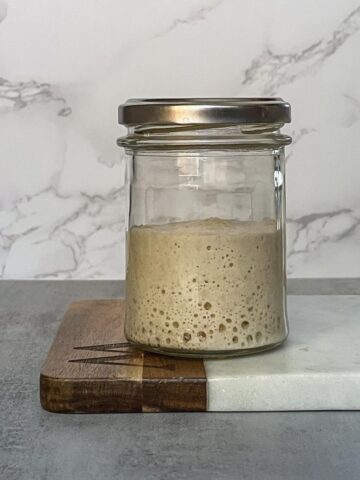
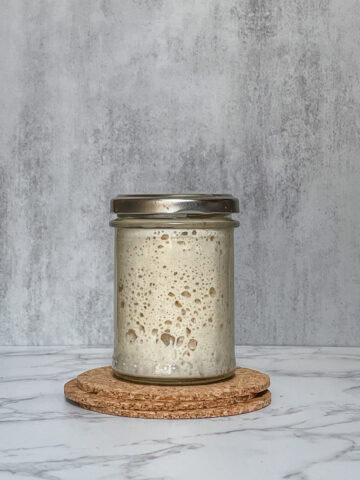
A healthy sourdough starter has a creamy or beige color with no pink or orange streaks, which could mean spoilage.
It smells pleasantly sour, like tangy yogurt, but not rancid or foul. The texture is bubbly and lively, showing that the yeast is active and fermentation is happening.
Common mistakes in sourdough starter care
Taking care of a sourdough starter isn't easy for novice bakers, and many of them face challenges along the way.
- Neglect: Leaving your starter out on the counter or in the fridge too long without feeding can lead to issues like hooch, harmful bacteria, or mold.
- Temperature problems: Using cold water can slow down yeast growth, while hot water can kill wild yeast completely.
- Hygiene issues: Using unclean utensils or flour with mold spores can introduce contamination.
- Wrong ingredients: Flour types like pastry flour, bleached all-purpose flour, or even some bread flours can make your starter sluggish. Similarly, water with chlorine and reverse osmosis water can harm it.
- Overfeeding: Feeding your starter too much at once can dilute the yeast and bacteria, but it won't kill your starter.
- Accidental additions: Adding more or less salt or sugar might change how your starter ferments, but it can recover.
Signs of a bad sourdough starter
Here are some clues that your starter may not be doing well:
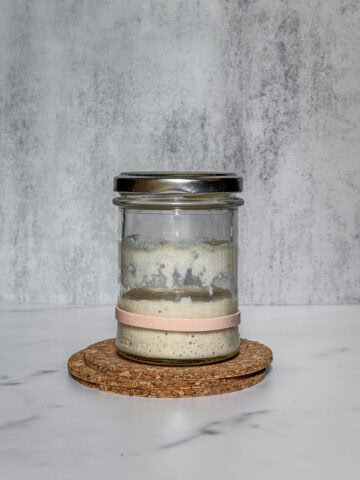
- A layer of liquid, called sourdough hooch, forms on top.
- It smells like alcohol, vinegar, or nail polish remover.
- A thin, white, or cream-colored layer of Kahm yeast appears on the surface.
- You see fuzzy spots or velvety patches of mold in colors other than cream or amber.
- Pink streaks appear, a sign of harmful bacteria such as Serratia marcescens.
Not all of these signs mean your starter is beyond saving. Most of the time, you can revive it with a few simple steps.
Real-life examples + pictures of bad sourdough starter
Here are real examples of bad sourdough starters, as shown in the pictures. I divided my starter among several jars and intentionally neglected or contaminated them. Some jars were covered with lids, while others were left uncovered.
Even though some have an oxidation layer and could potentially be saved, I would discard them without hesitation.
Sourdough starter with a surface oxidation layer

A sourdough starter with a surface oxidation layer, not mold or bacterial contamination. It forms when the starter sits too long or is exposed to air.

A sourdough starter with a slightly dried oxidation layer, possibly showing minimal Kahm yeast if the surface was previously filmy or slick before drying.
Moldy sourdough starter
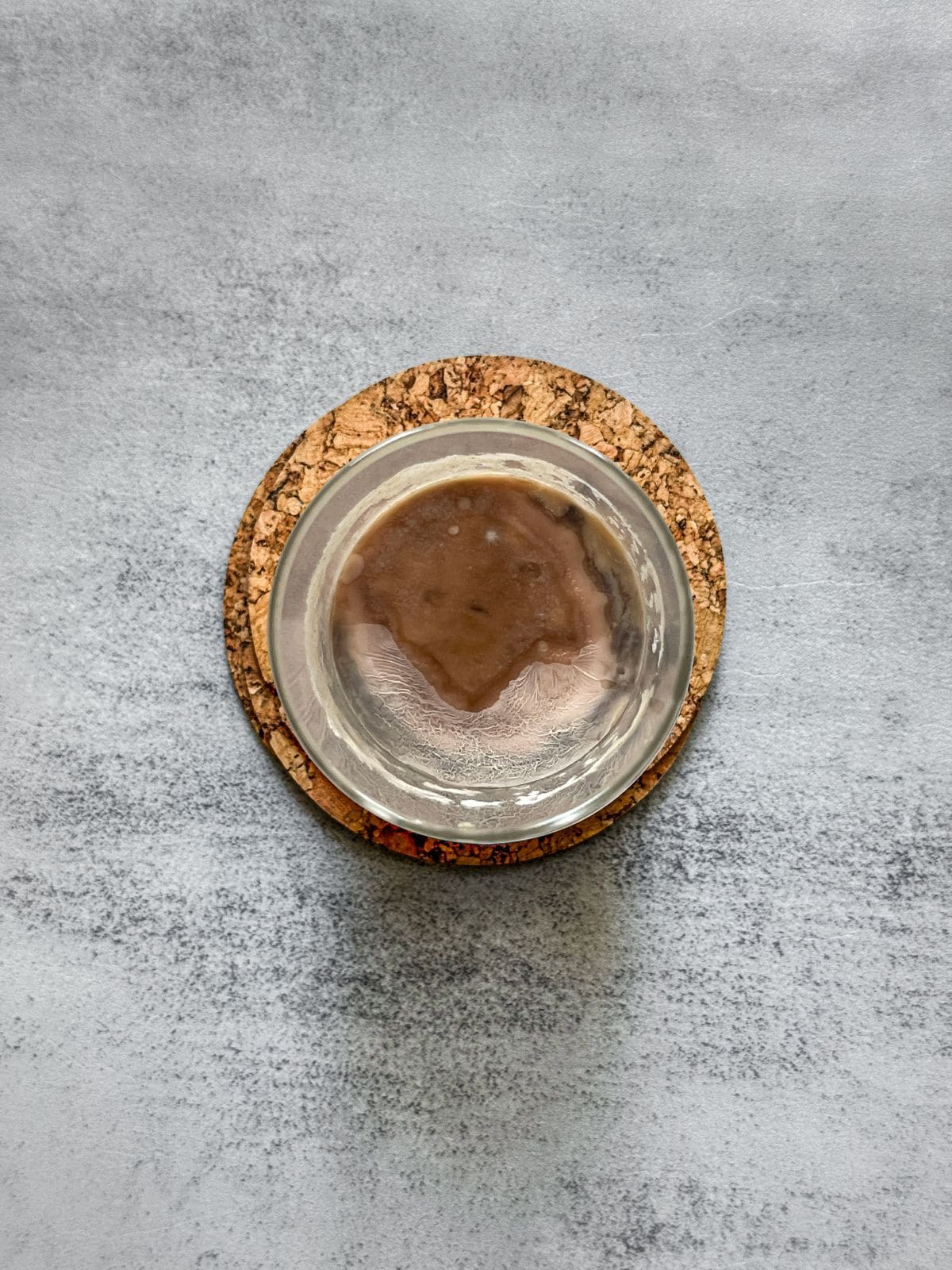
A moldy sourdough starter with a single velvety patch on top. This starter was left unattended on the counter for about two weeks.
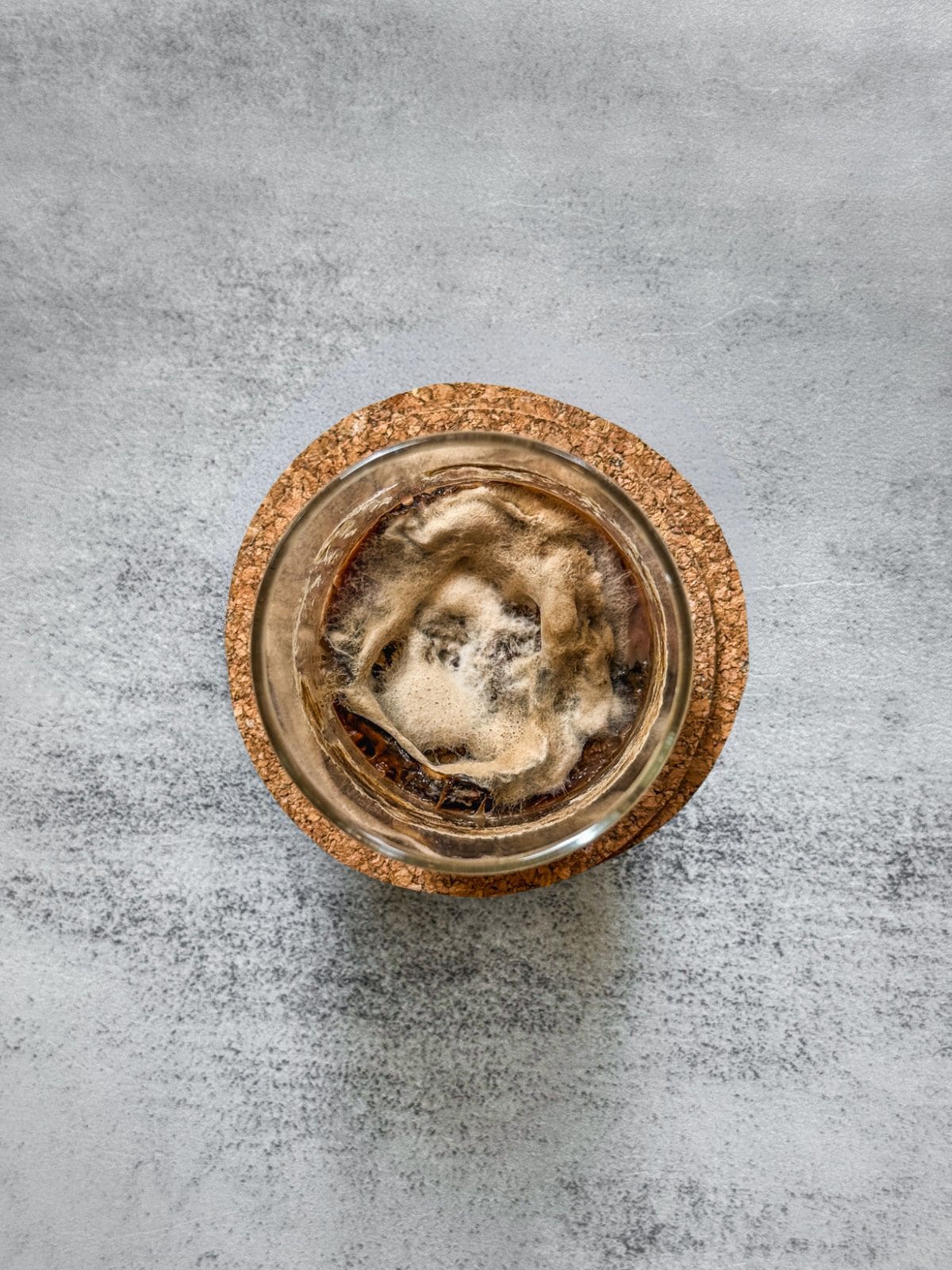
A sourdough starter with clear signs of mold, featuring fuzzy, raised, and velvety patches on the top surface. This starter was left unattended on the counter for about a month.
Sourodugh starter with bacterial contamination
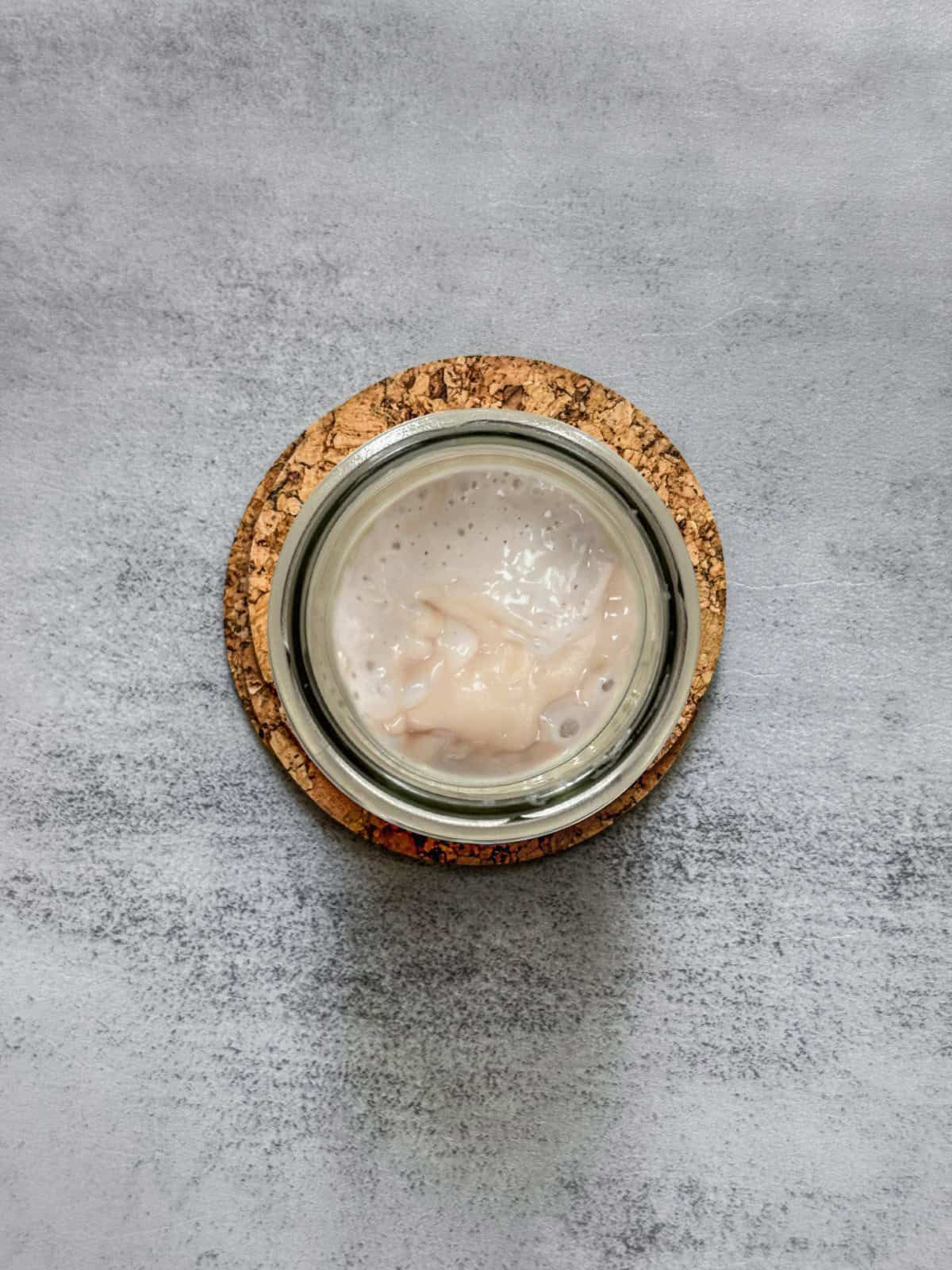
A sourdough starter contaminated with Serratia marcescens. It was intentionally introduced for demonstration purposes. These bacteria, which can also be found on shower walls, tiles, and in sinks, form a pinkish film. And yes, I had to look it up… really!

A sourdough starter showing clear signs of bacterial contamination. It was intentionally contaminated with soil and is most likely colonized by a mix of environmental bacteria and fungi.
Should you restart or try to recover your starter?
When your starter seems "off," you have two options: restart it from scratch or try to recover it. The path to choose depends on what is going on in your jar.
When to restart
- If you see mold (fuzzy patches, velvety spots, or strange colors), it is safest to throw it out and start fresh.
- Pink or orange streaks are a definite sign of bacterial contamination (e.g., Serratia marcescens), so that starter should go.
To start over, take a clean jar, unbleached flour, and filtered water, and follow my foolproof Beginner Sourdough Starter recipe. With consistent care, you can have a strong, lively starter in about 10 days.
When to revive your starter
- If your starter has hooch, a clear liquid that forms on top, you can pour it off or stir it back in, then feed your starter fresh flour and water. It will bounce back.
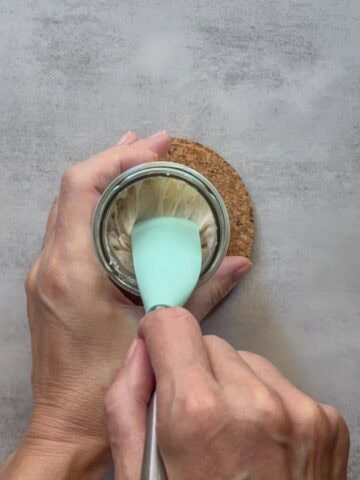
- If you spot Kahm yeast, a thin white film on the surface, scrape it off, transfer your starter to a clean jar, and keep feeding. Kahm yeast might reappear, but it is harmless.
Always pay attention to what is happening in the sourdough jar: how it looks, smells, and behaves.
From one day to another, you will learn the difference between a starter that is healthy and truly bad. That way, you will know when to save it and when to start anew.
Tips to prevent a bad sourdough starter
- Feed your starter regularly: Keep a consistent schedule with the right flour-to-water ratio (1:3:3 twice a day or 1:5:5 once a day is usually good). Learn more about feeding sourdough starter.
- Use clean tools: Opt for a glass or food-safe plastic sourdough jar to prevent contamination.
- Choose quality ingredients: Use unbleached flour and filtered water to support healthy yeast and bacteria. Learn more about sourdough starter ingredients.
- Maintain stable temperature: Keep your starter around 72-75°F (22-24°C) to avoid excessive acidity or slow fermentation.
- Address early signs: Stir or pour off hooch and scrape Kahm yeast to keep your starter healthy.
- Store your starter properly: Refrigerate if not baking daily and feed at least once a week. Learn more about how to store sourdough starter.
- Observe your starter: Learn its behavior to prevent problems before they start.
How to tell if your sourdough starter is dead
Sometimes, despite your best efforts, a sourdough starter reaches a point where you cannot save it. You can usually tell it is dead if you notice a few clear warning signs:
- Unusual colors: If your starter develops pink, orange, blue, or green hues, it indicates mold or harmful bacterial growth. These colors indicate that the starter is contaminated and unsafe to use.
- Foul odor: An acidic sourdough starter smells tangy, alcoholic, or vinegary, but it isn't that bad. If your starter smells rotten, like spoiled food, it is a sign that the microbial balance has been lost.
If either of these happens, it is time to say goodbye to that starter. Don't try to revive it, as it is no longer safe for baking.
The best approach is to start fresh with a clean jar, unbleached flour, and filtered water, and grow a new, healthy sourdough starter.
Remember, even experienced bakers encounter bad starters. It is part of learning and perfecting your sourdough routine.
Let's talk sourdough
Have you ever dealt with a bad sourdough starter? What signs did you notice, and how did you handle your starter? Share your experience in the comments.
Ready to keep learning?
A layer of liquid on top can be alarming, but it is often harmless. Find out what sourdough starter hooch is, what it means, and how to handle it.