

True sourdough bread and commercial bread are two very different types of bread, each with unique characteristics. Their differences come from the ingredients used and the methods of making them.
If you want to understand why true sourdough bread stands out, let's discover what makes it so special.
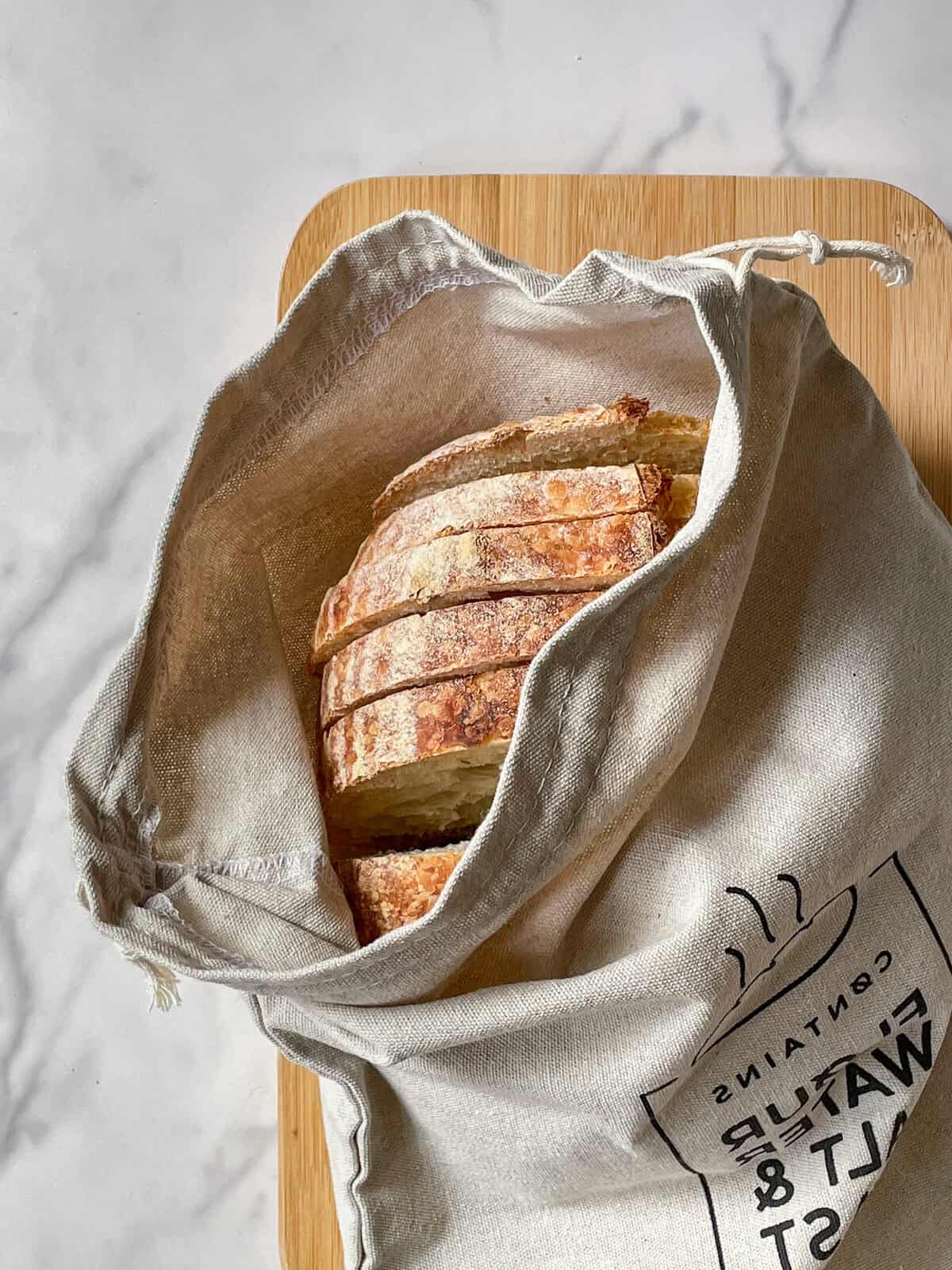
What is sourdough bread?
Sourdough bread is a naturally leavened bread made with wild yeast and lactic acid bacteria, giving it a distinct tangy flavor and chewy texture, without using commercial yeast.
How to tell if it is true sourdough bread
There are a few ways to tell if it is true or mass-produced (commercial) sourdough bread.
1. Ingredients
True sourdough bread is natural and is made with only 3 ingredients (flour, water, and salt). These simple ingredients ferment and leaven the dough with a levain, or active sourdough starter, a natural mix of wild yeast and bacteria.
True sourdough bread doesn't contain commercial yeast, sugar, milk, oil, flavoring additives, or preservatives (see my guide on yeast vs sourdough starter).
If you check the label of a store-bought "sourdough" bread like Panera Bread's sourdough, you will see ingredients such as enriched flour, vinegar (used twice to boost sourness), and commercial yeast.
This is not true sourdough bread because it skips the traditional natural fermentation process. Instead, it is a quick-rise bread that uses vinegar to make it taste sour.

2. Taste
Real sourdough bread has a special tangy flavor that comes from the slow fermentation of the sourdough starter, bulk fermentation, and final proofing. This process gives it a rich, complex taste, often described as nutty or earthy.
In comparison, store-bought bread usually has a simpler, one-note flavor that lacks the depth of sourdough. It often uses additives, such as vinegar, to create a sour taste rather than relying on natural fermentation.
3. Texture
True sourdough bread has a chewy and elastic texture. This texture results from the long fermentation time.
Commercial bread is usually soft and fluffy, but it lacks the satisfying chew or structure.
4. Expiration date
True sourdough bread has a short shelf life as no preservatives have been added.
5. Price
Authentic sourdough is more expensive than commercial bread.
6. Other benefits
Real sourdough bread offers other benefits compared to store-bought bread. The natural fermentation process helps break down certain compounds, making it easier for your body to absorb important minerals.
Because of its slow fermentation, sourdough has a gentler effect on your body and contains less gluten than commercial bread, which is made with faster methods and additional ingredients.
What makes sourdough special?
True sourdough bread is super versatile. You can experiment with different flours, such as whole wheat, spelt, or ancient grains like einkorn.
Sourdough bread is also one of the oldest types, dating back thousands of years. Its rich history and health benefits make it feel like a connection to ancient traditions.
Lastly, making sourdough bread takes up to two days, which makes it even more special.
Why make sourdough bread at home?
Baking sourdough bread at home is a fun and rewarding experience. It takes patience and practice, but the results are worth it. From 2020 to 2023, many people discovered the joy of baking sourdough, which became a popular hobby.
While sourdough bread takes time to ferment naturally, its slow process creates a richer flavor and a denser and more satisfying texture than commercial bread.
If you are ready to bake sourdough, you will need a few basic tools, such as a digital scale, a probe thermometer, and a Dutch oven (see my guide on essential sourdough tools).
Where and how to learn sourdough?
You can start by making a sourdough starter from flour and water, get a fresh starter from a friend, or even buy a sourdough starter online.
Begin with the sourdough basics, learning how to feed and maintain your starter, then move on to baking with it by trying my Beginner's Sourdough Bread recipe.
This step-by-step approach will help you build confidence and understand the process from start to finish.
To help you even more, subscribe to free sourdough lessons, the easiest and most comprehensive sourdough learning series.
Let's talk sourdough
If you are thinking about switching to true sourdough, what is holding you back? Is it the time commitment, the process, or something else? Let's talk in the comments.
Ready to keep learning?
If you continue learning sourdough from one blog post to the next, discover practical tips for making sourdough bread on a budget.