
The essential sourdough tools are a kitchen scale, a mixing bowl, a bench scraper, a proofing basket, something for scoring, and a Dutch oven or another baking vessel.
Beyond these essentials, tools like a dough thermometer, a bulk fermentation container, and a dough whisk make baking easier and more consistent.
Below, I have organized every sourdough tool and piece of equipment by how essential it is, from the few must-haves you need to bake your first loaf to the upgrades worth adding as you go.
Jump to:
Must-have sourdough tools (beginners start here)
These tools help you mix, ferment, shape, and bake your beginner's sourdough bread successfully without spending much.
Sourdough starter jar
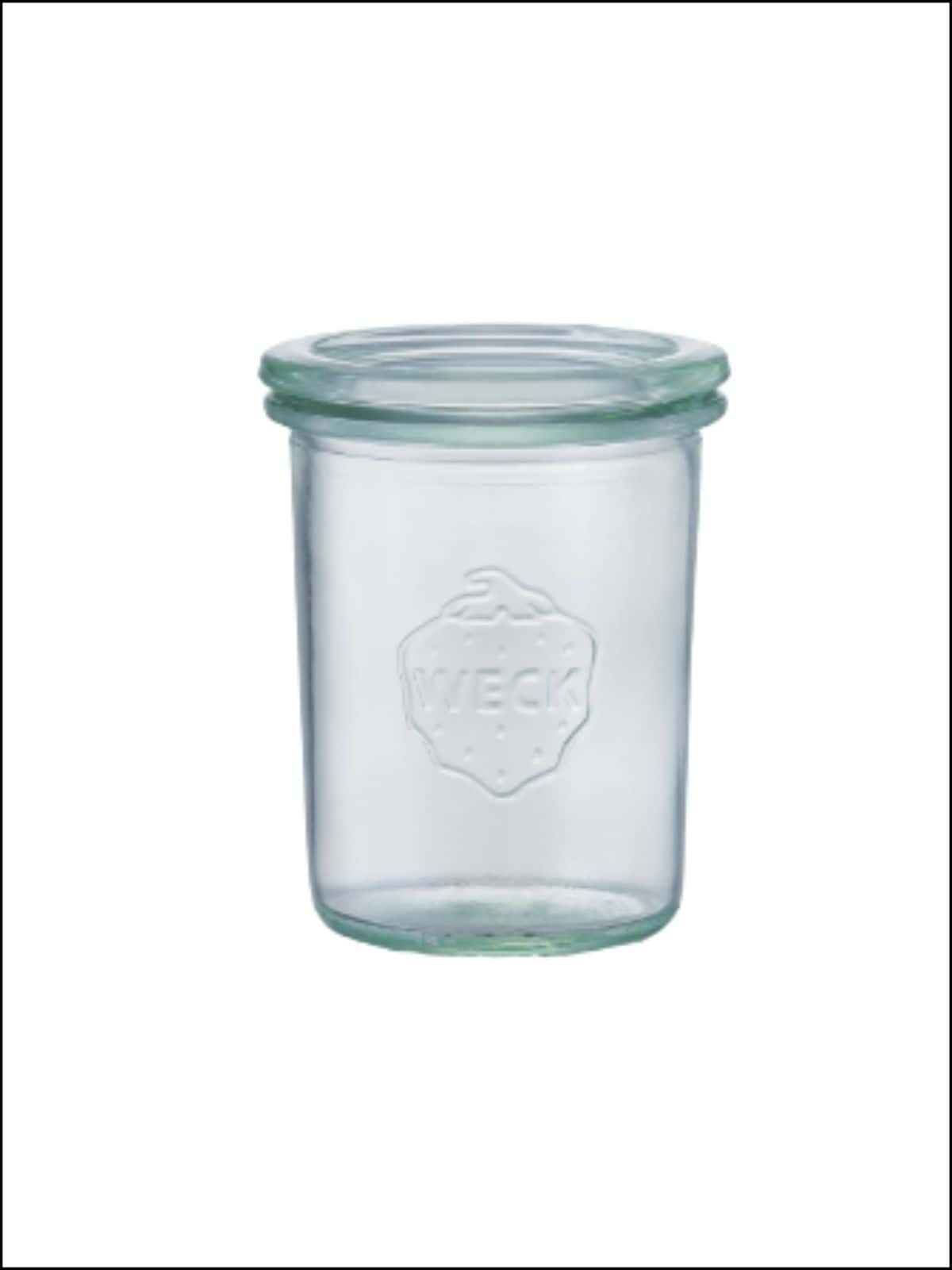
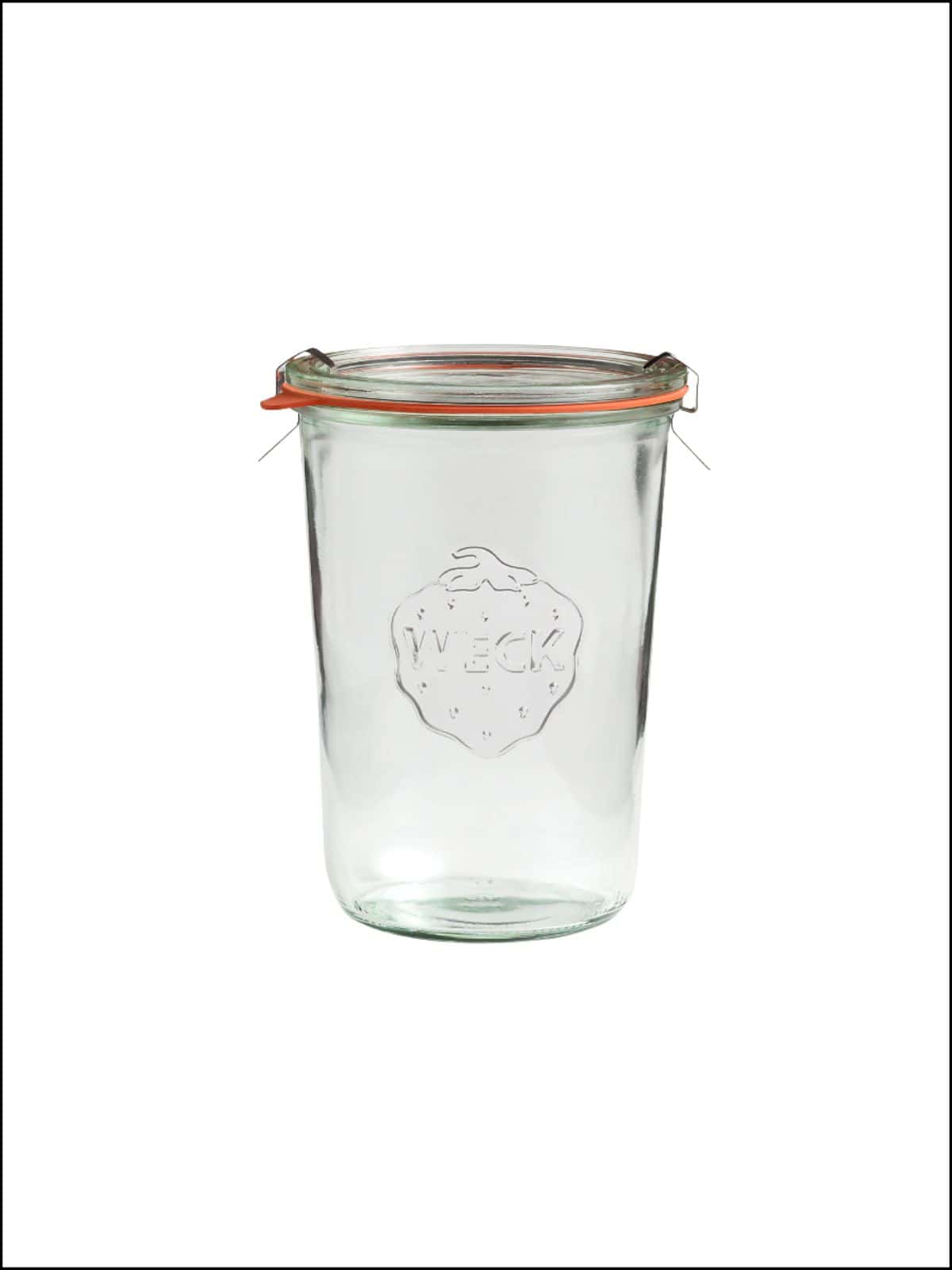
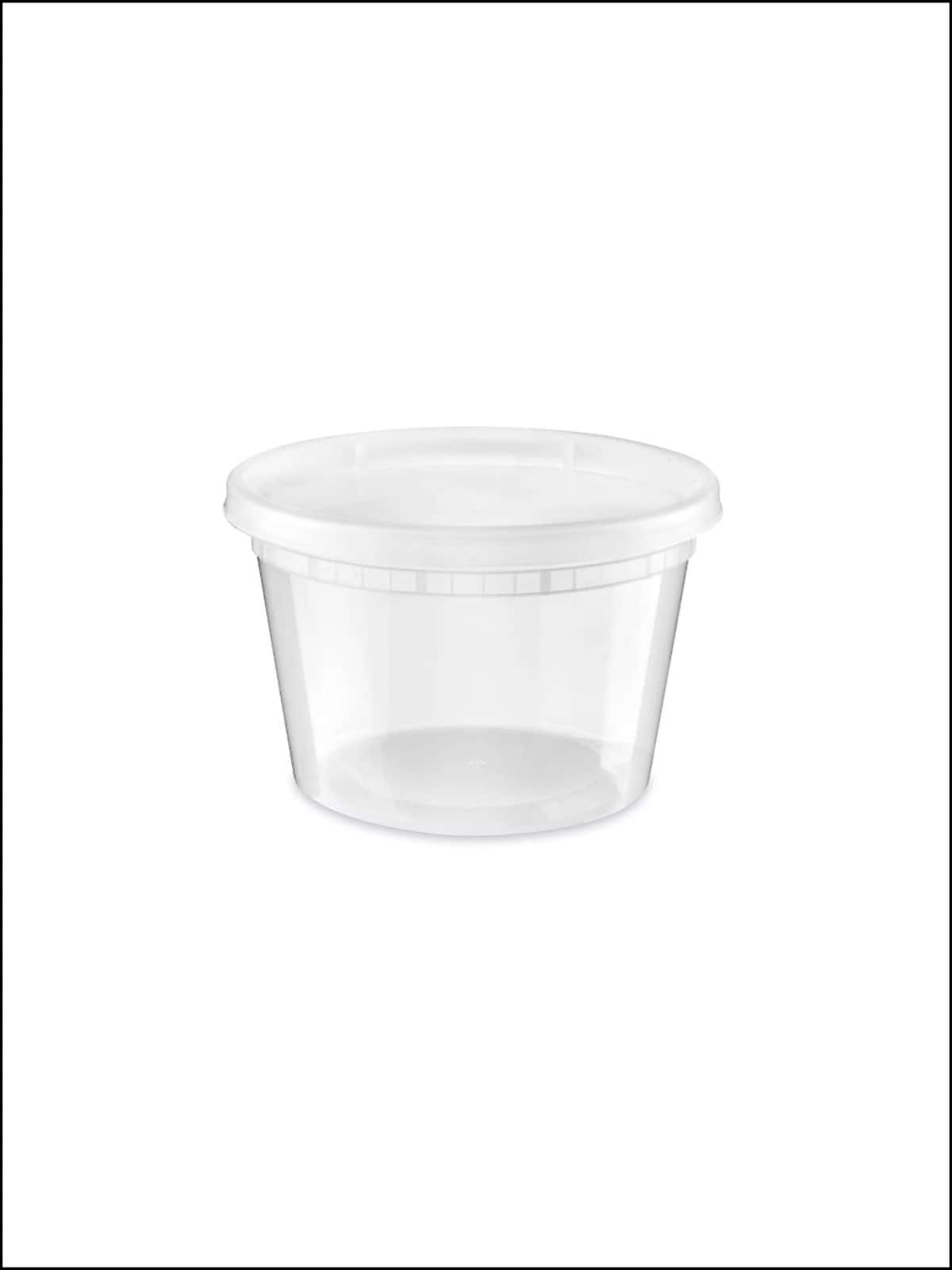
A clear jar lets you monitor your starter's rise, bubbles, and activity. As a beginner, you don't need anything fancy. Get a wide-mouth mason jar, a recycled glass jar, or a deli container.
Just make sure it is clear and roomy enough for your starter to double or triple without overflowing. You can read more about how to choose the best sourdough starter jar.

Jar spatula
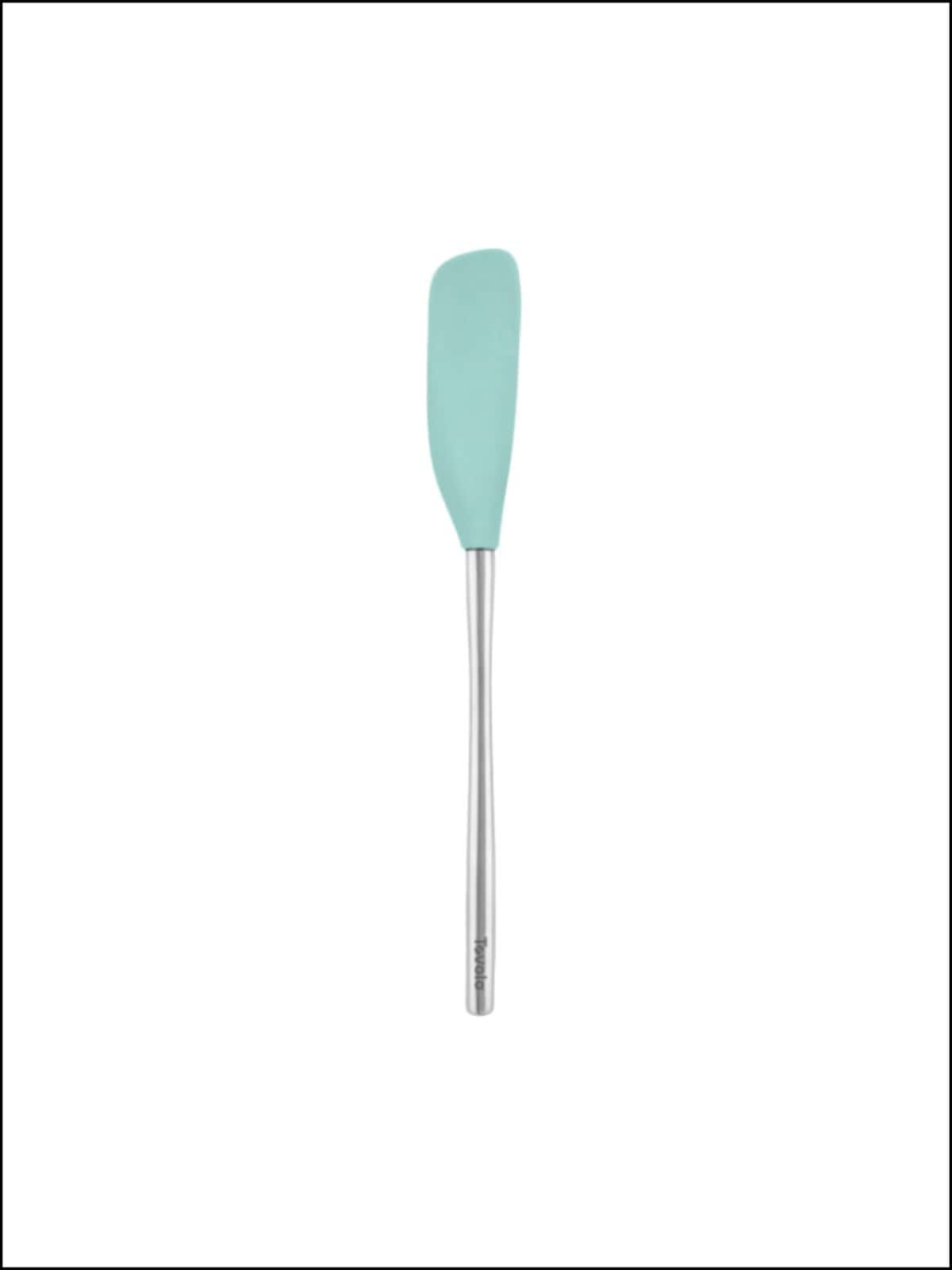
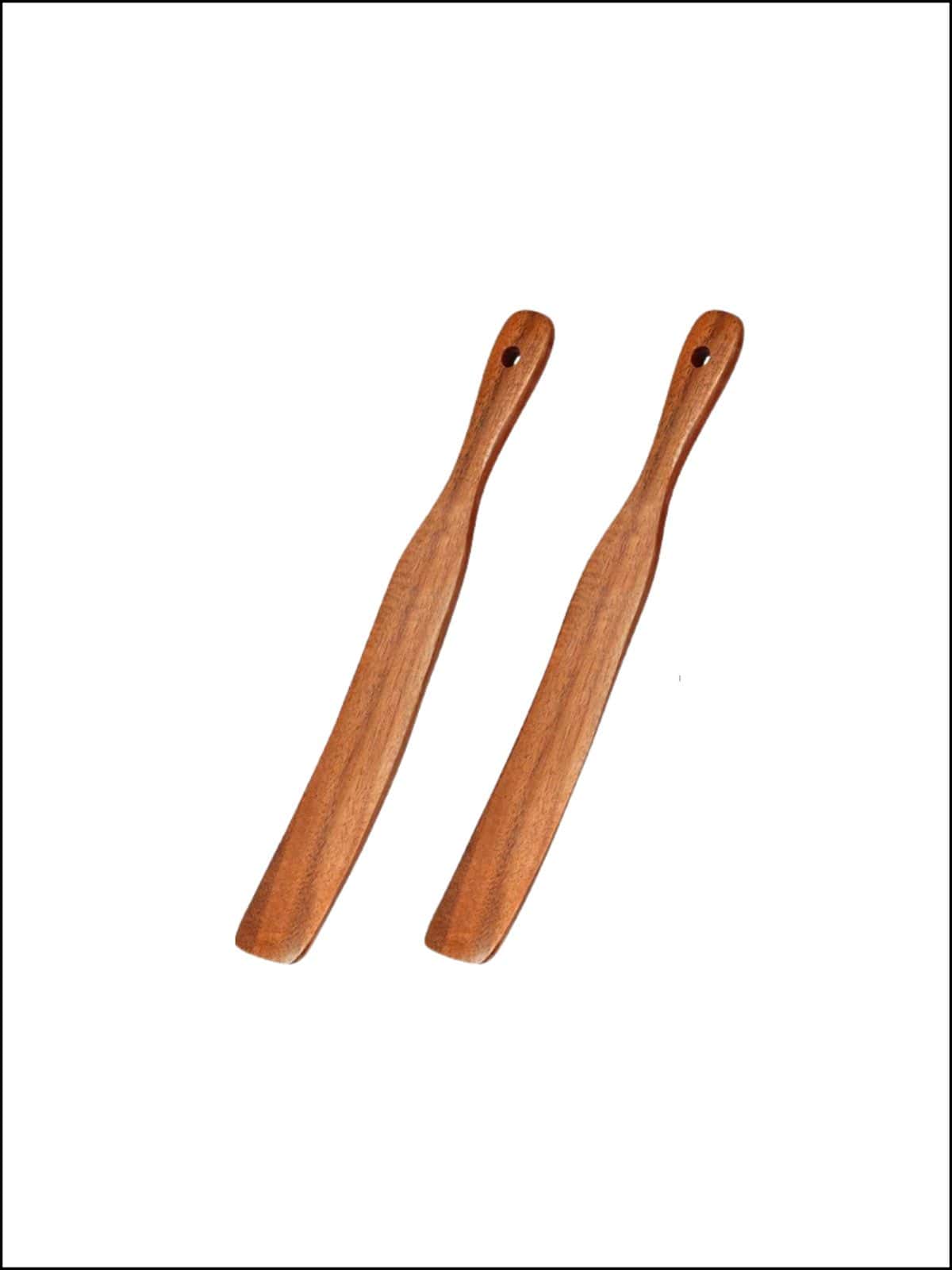
While you can use a simple chopstick to mix sourdough starter, you can consider buying a silicone jar spatula (my personal favorite) or a skinny wooden spurtle. I have also heard good things about the Barlow & Co. Bottle Whisk and a similar dough whisk for sourdough starter, though I haven't tried them myself.
Digital kitchen scale
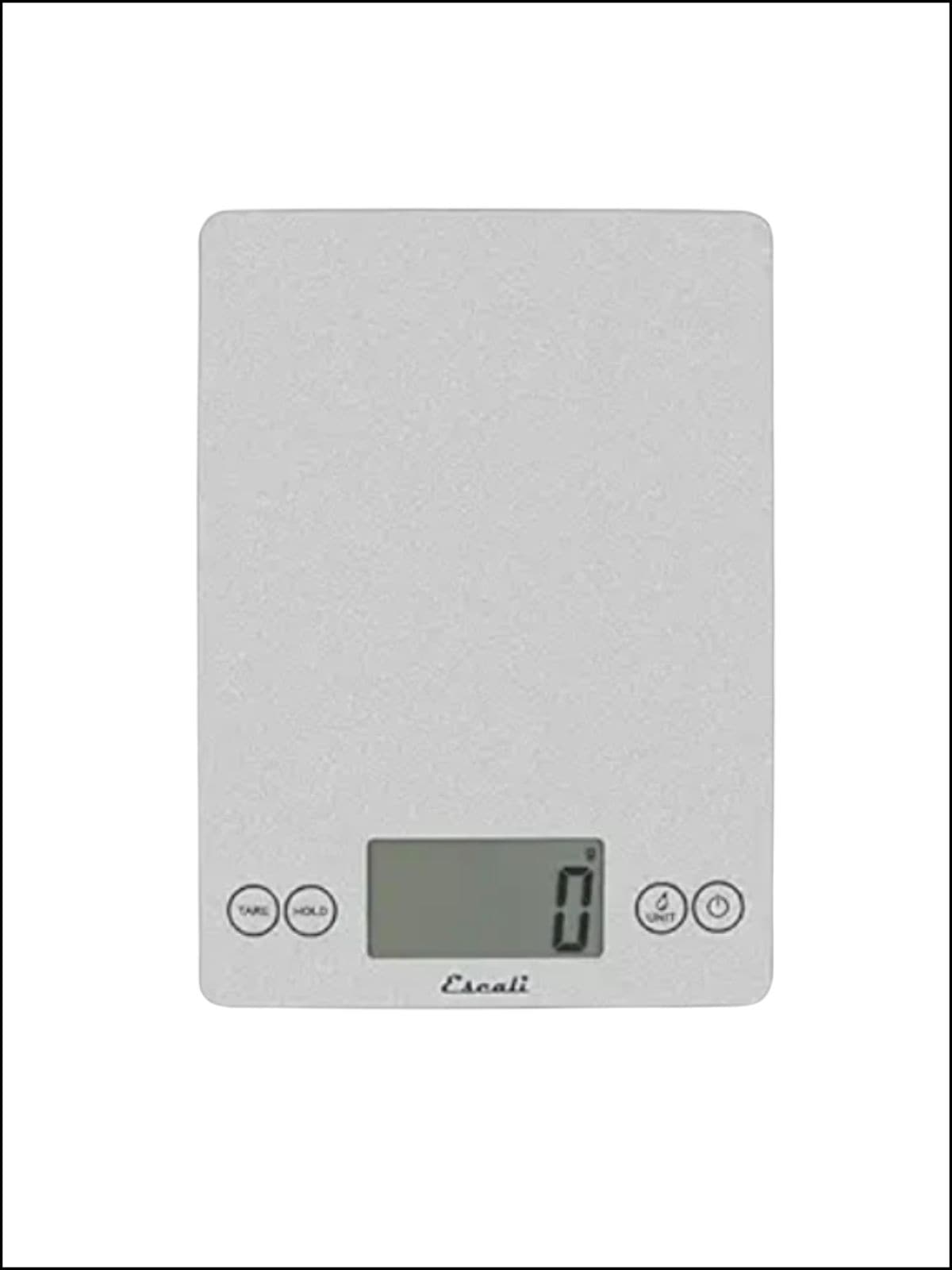
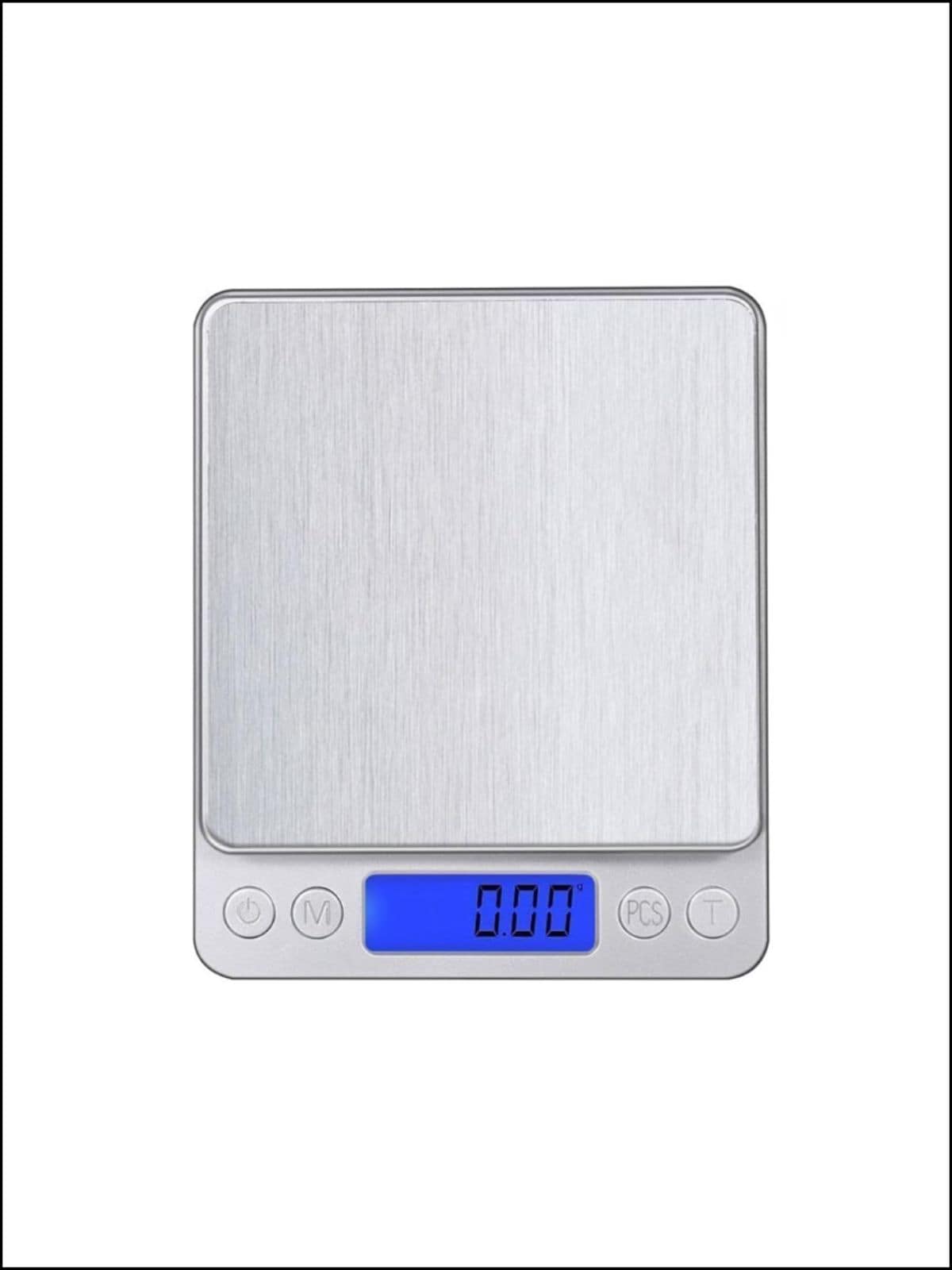
A good food scale is the single most important tool for sourdough, with no alternative. I use an Escali digital kitchen scale to measure bread ingredients and a pocket gram scale to weigh smaller amounts, like sourdough starter ingredients.
Beginner tip: Any basic scale works. Upgrade later if you weigh lots of dough or use baker's percentages.
Mixing bowl
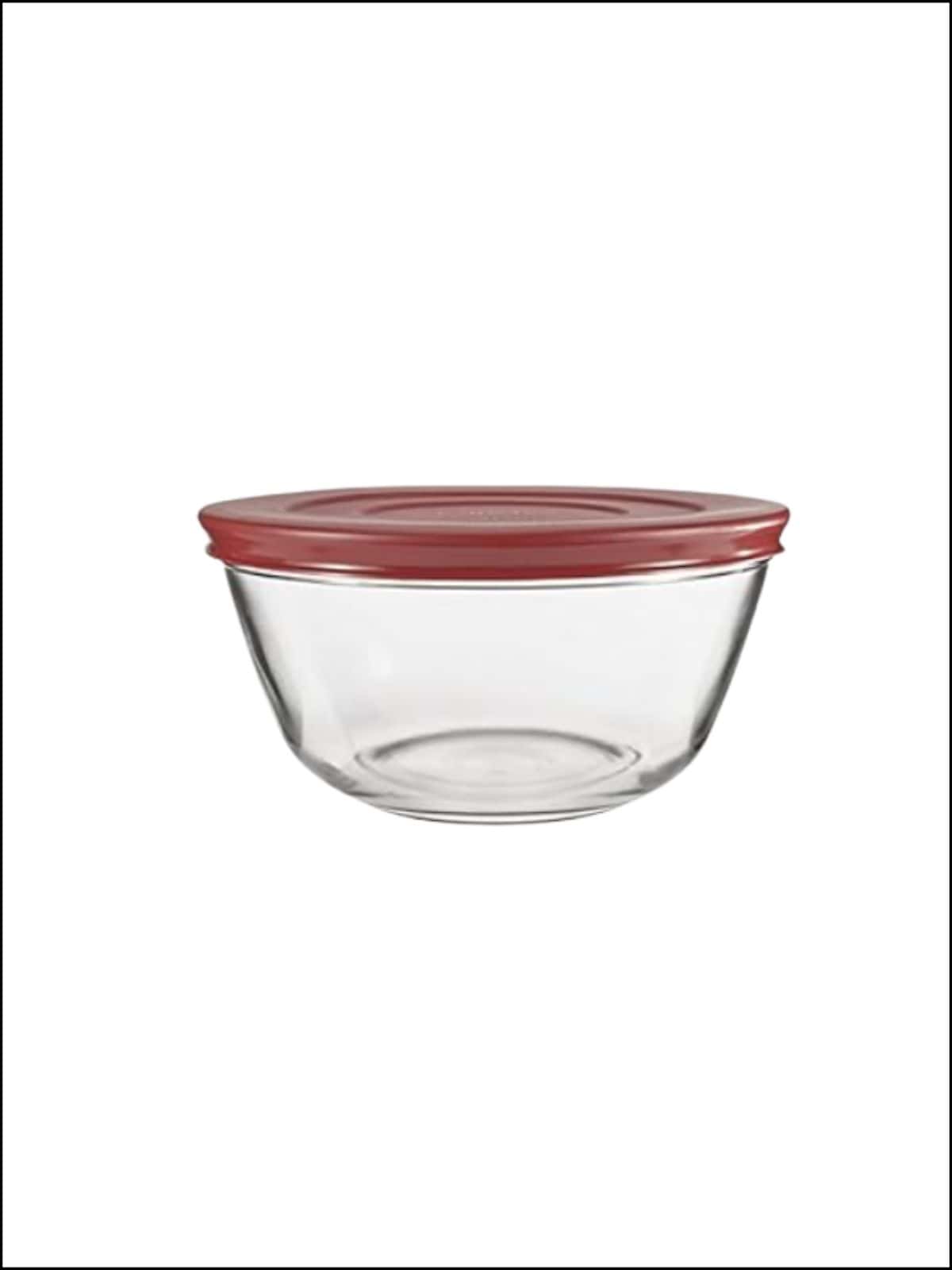
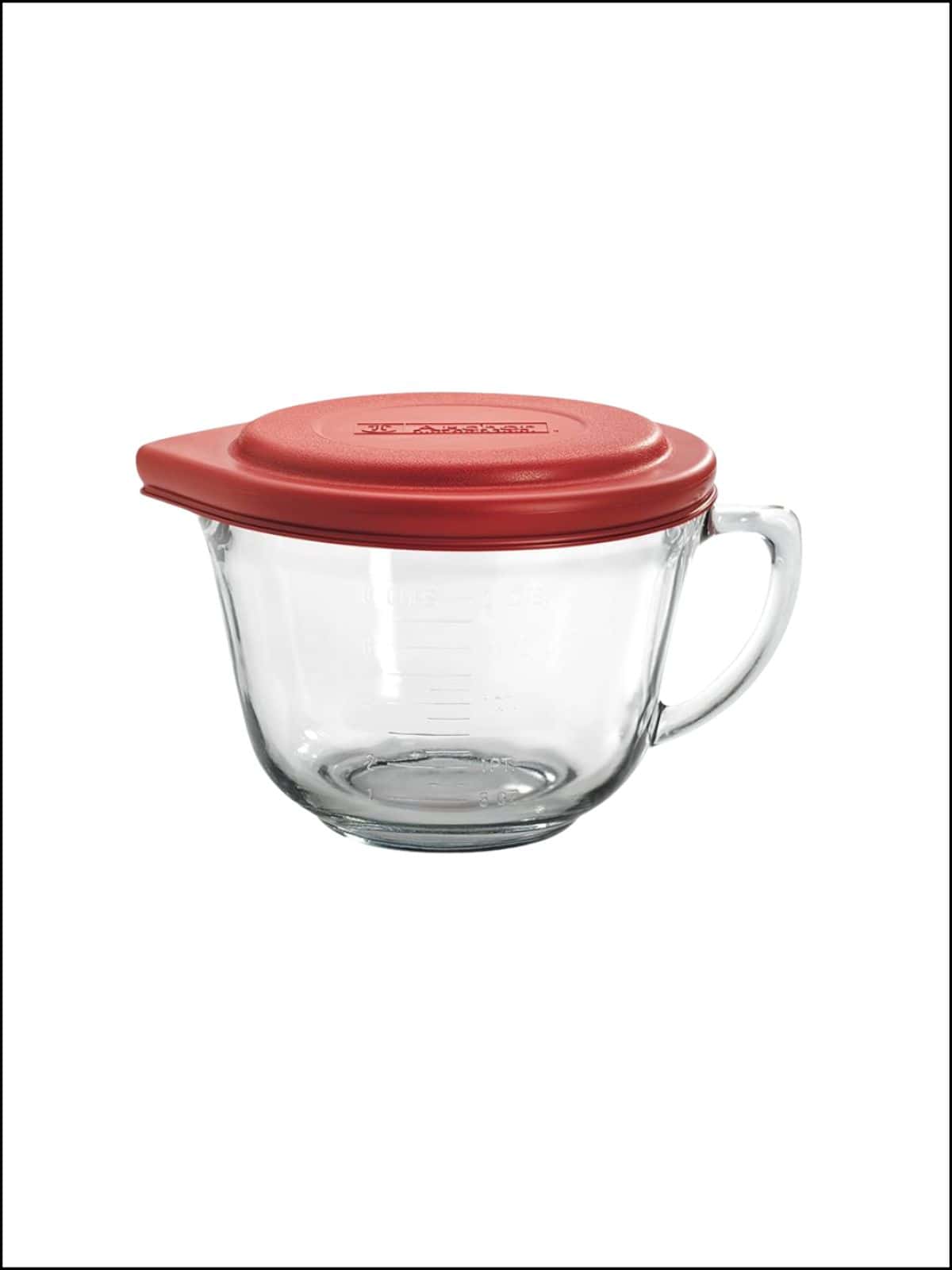
While you can use glass, stainless steel, or plastic bowls for mixing bread dough and bulk fermentation, I prefer glass. To me, they are non-stick for sourdough.
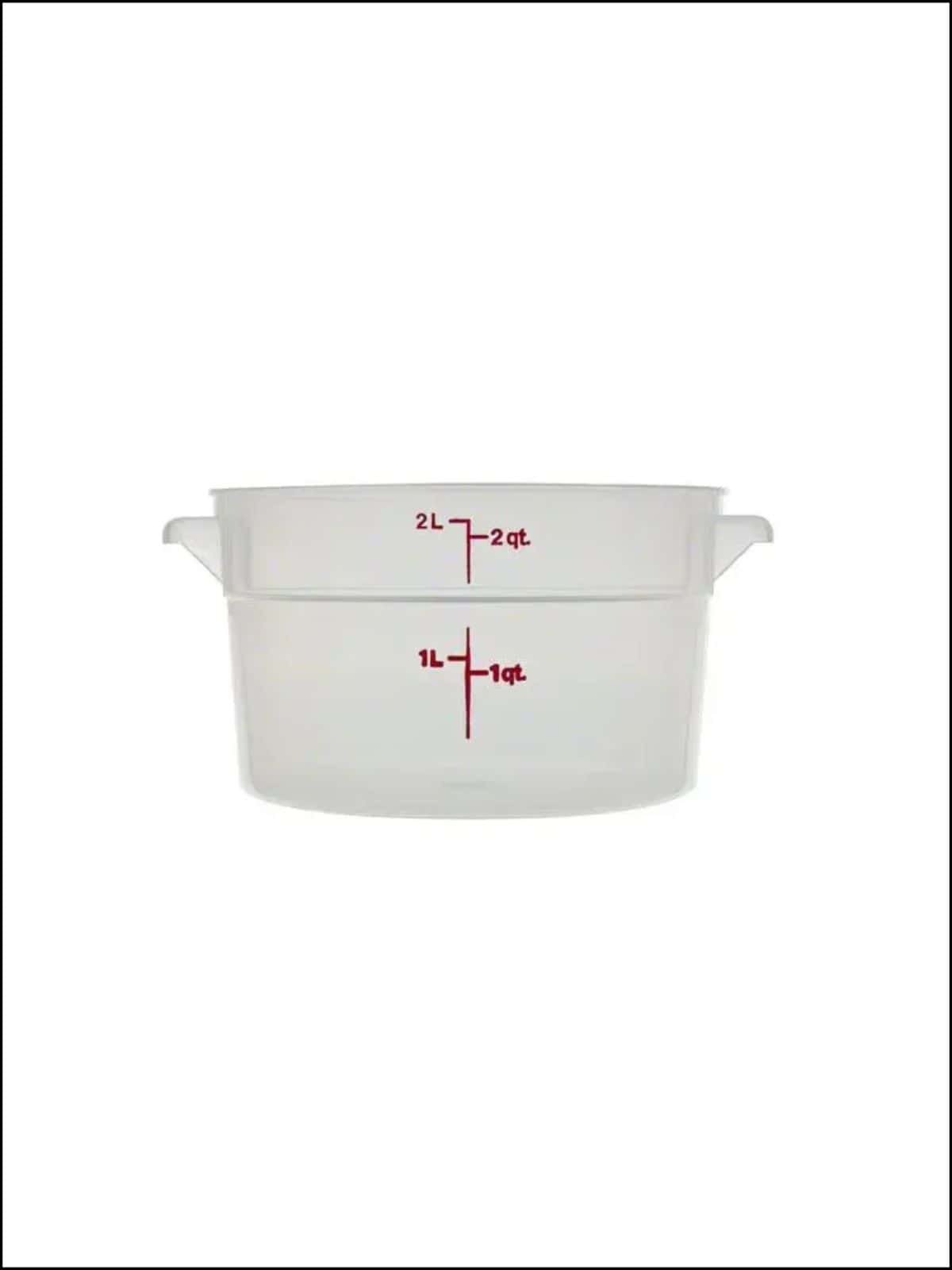
As a beginner, use a large mixing bowl to mix the dough ingredients, and a 2L measuring cup or a straight-sided Cambro container with a measuring washi tape to track the dough rise.

Kitchen towels
Kitchen towels, disposable plastic caps, or specially designed bowl covers are used to cover the dough and prevent it from drying during bulk fermentation.
You can also use a flour sack towel as a liner in a bowl for cold proofing. Later, you may want to invest in a banneton proofing basket.
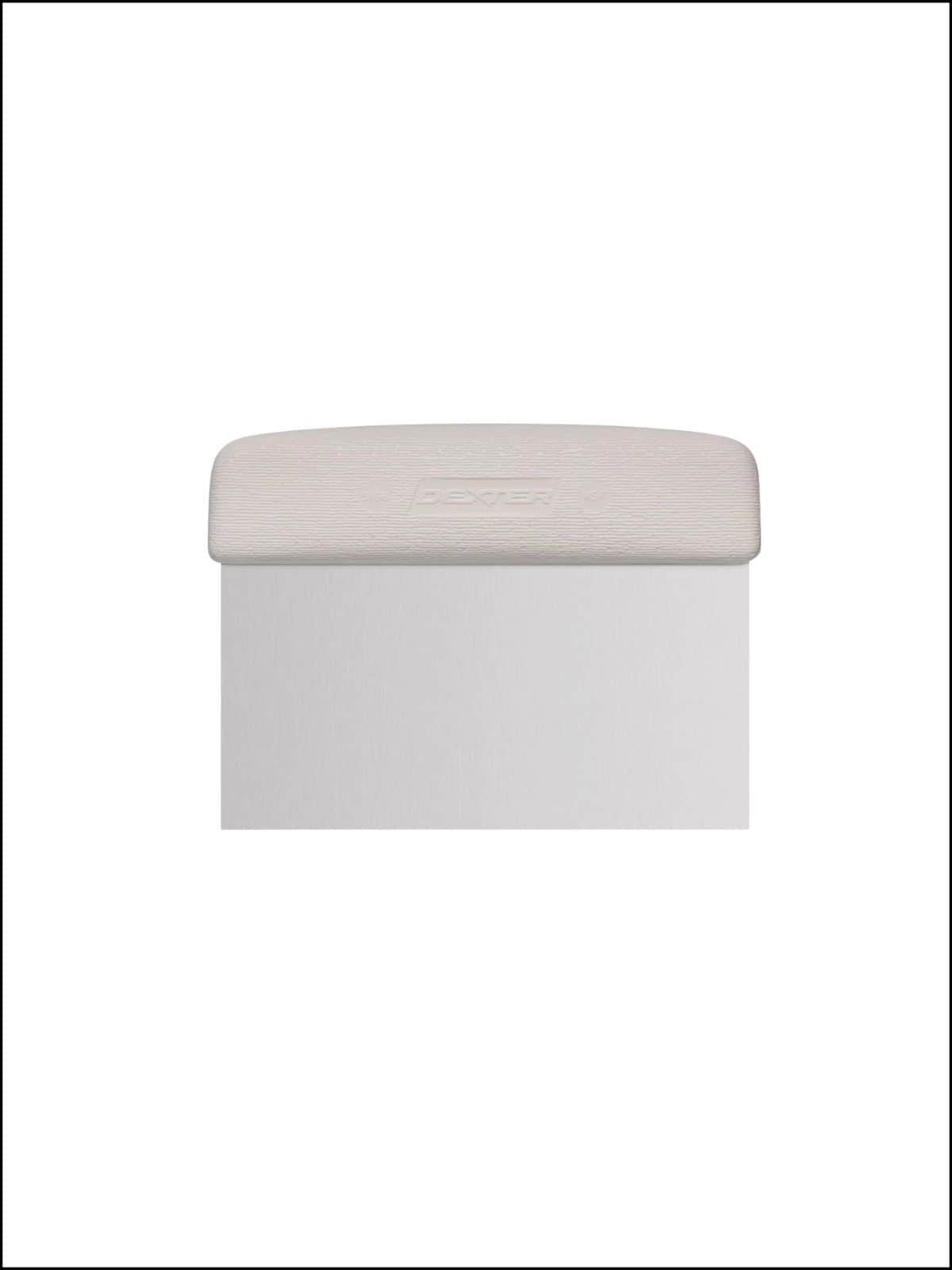
Bench scraper
A bench scraper helps divide and pre-shape sourdough. I also use it to clean sourdough mess off the table.
Sharp knife or kitchen scissors
It is used for scoring the dough before baking. You don't need a special bread lame when starting.
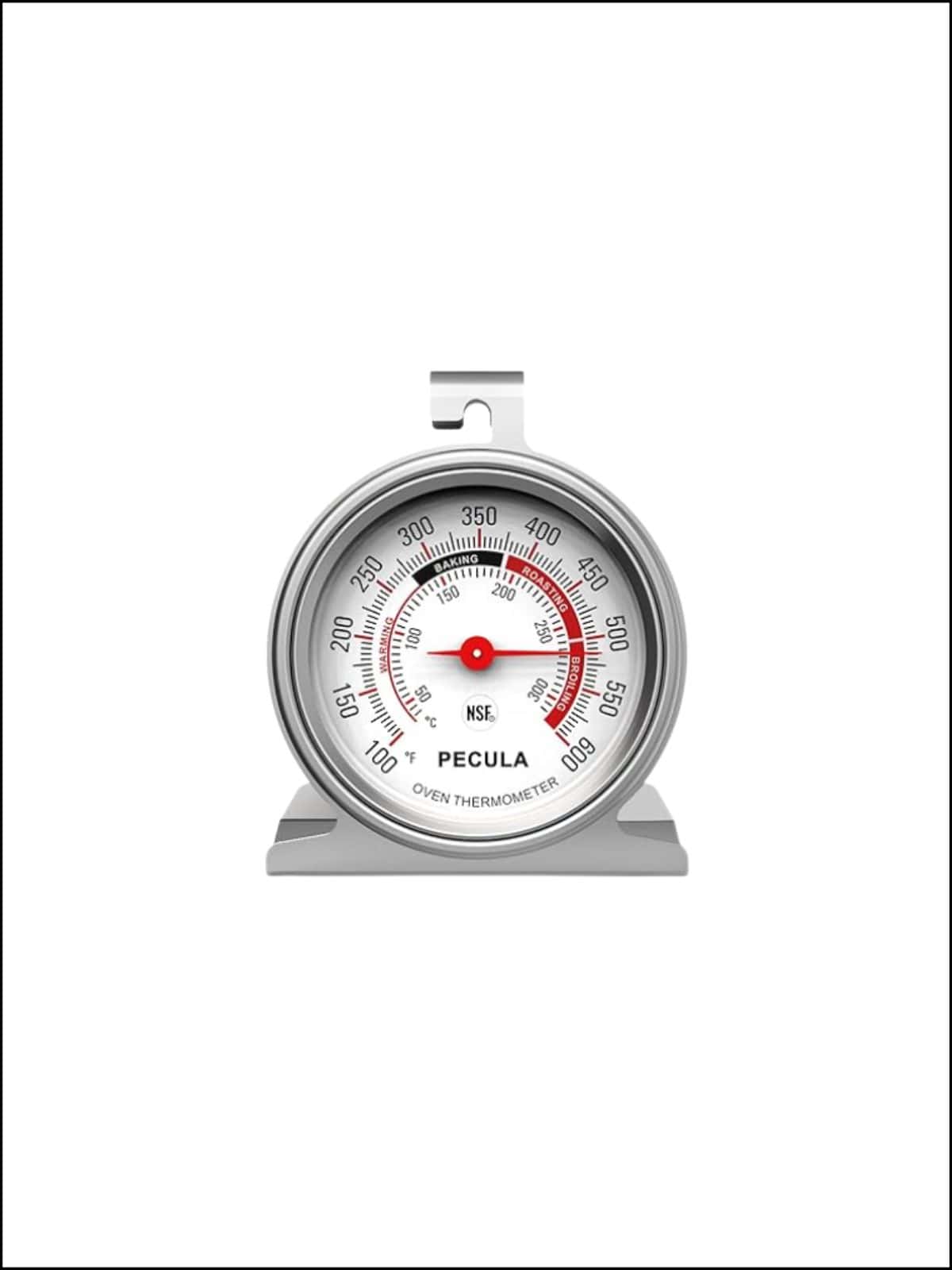
Oven thermometer
Oven thermometer makes sure your oven is baking at the temperature it claims to. Trust me, you might not realize that a burned bottom on your bread could be caused by this.
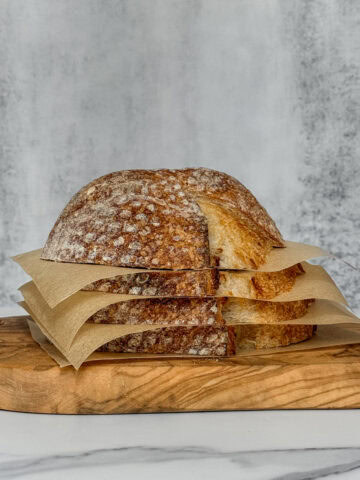
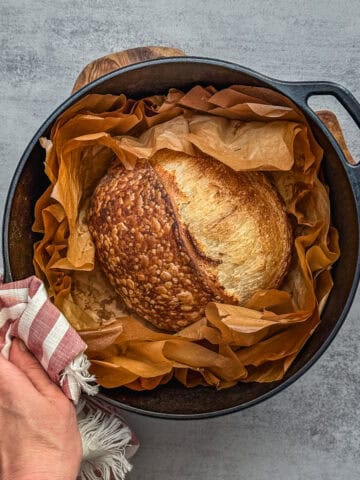
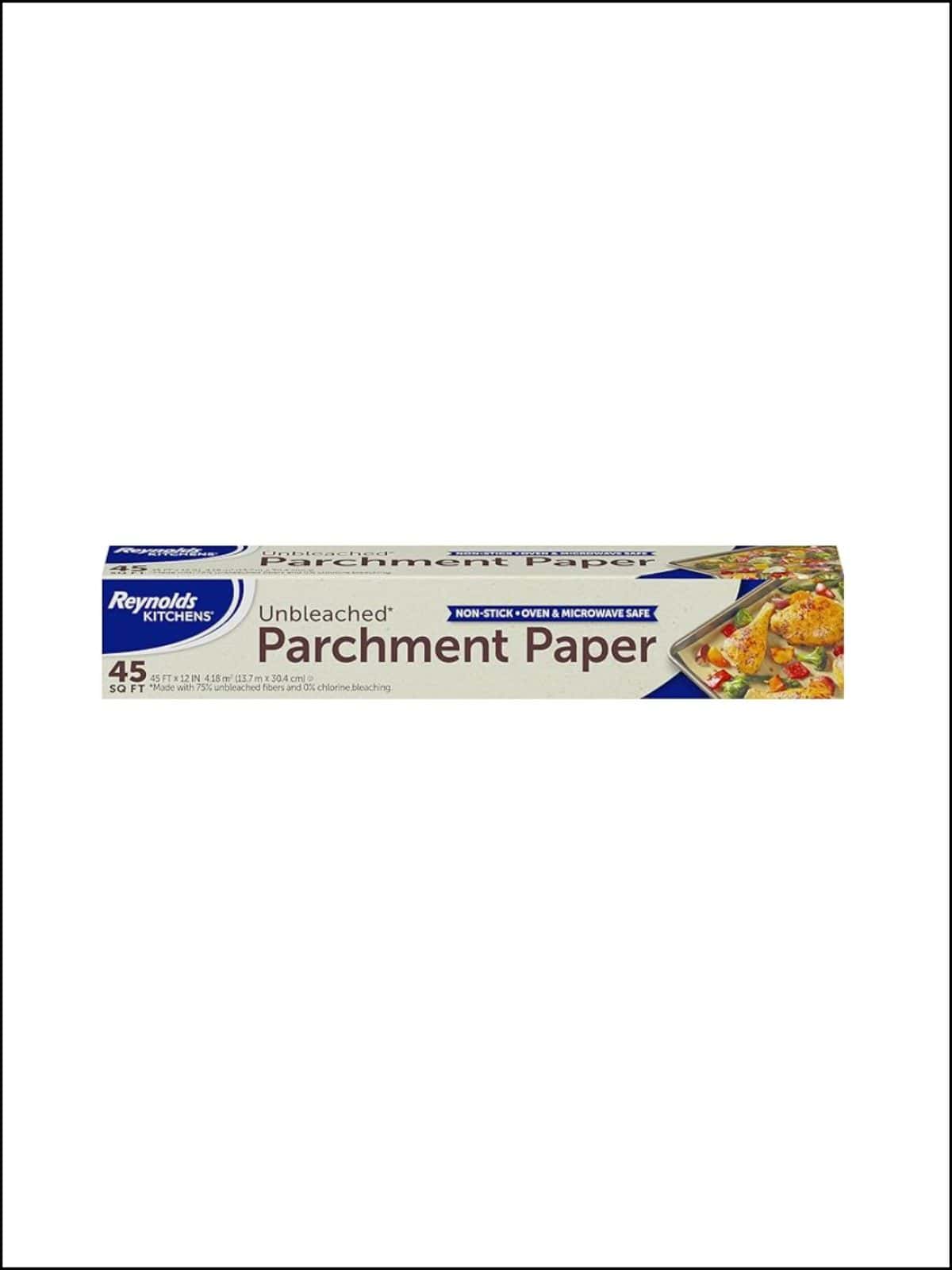
Parchment paper
It makes transferring dough into hot or cold bakeware safer and easier. When buying parchment, choose one rated oven-safe to at least 425-450°F. Ideally, you would want 500°F to match sourdough baking temperatures, but I haven't found true 500°F parchment.
Many brands claim a 450°F limit, but in practice, they often start browning, become brittle, or even burn as they approach that temperature.
I am still looking for parchment paper suitable for baking sourdough. I often use Reynolds parchment paper. Although it is rated up to 425°F, this is the "high-heat," unbleached version.

Baking vessel
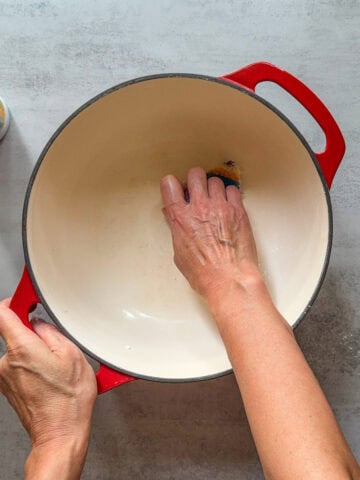
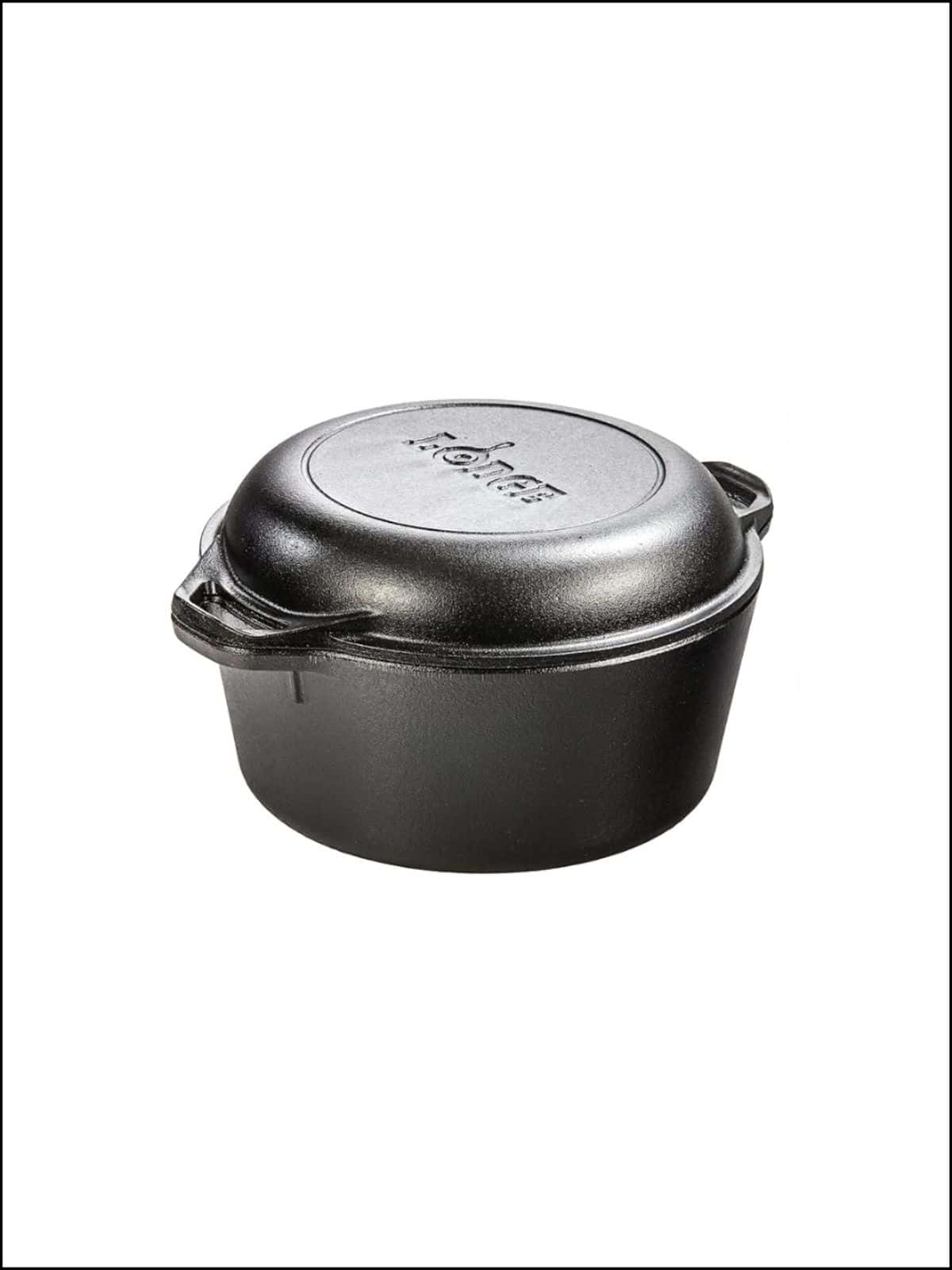
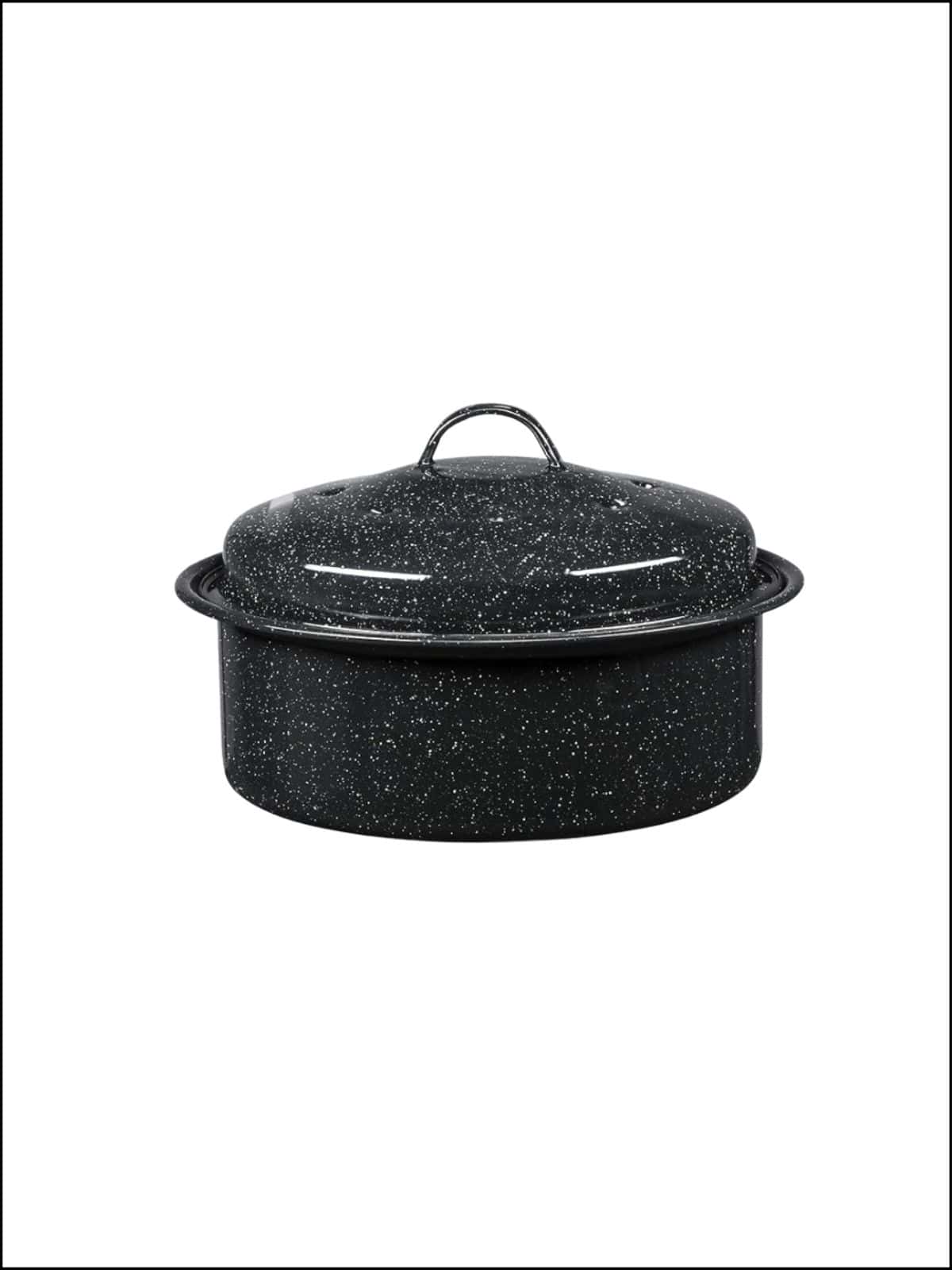
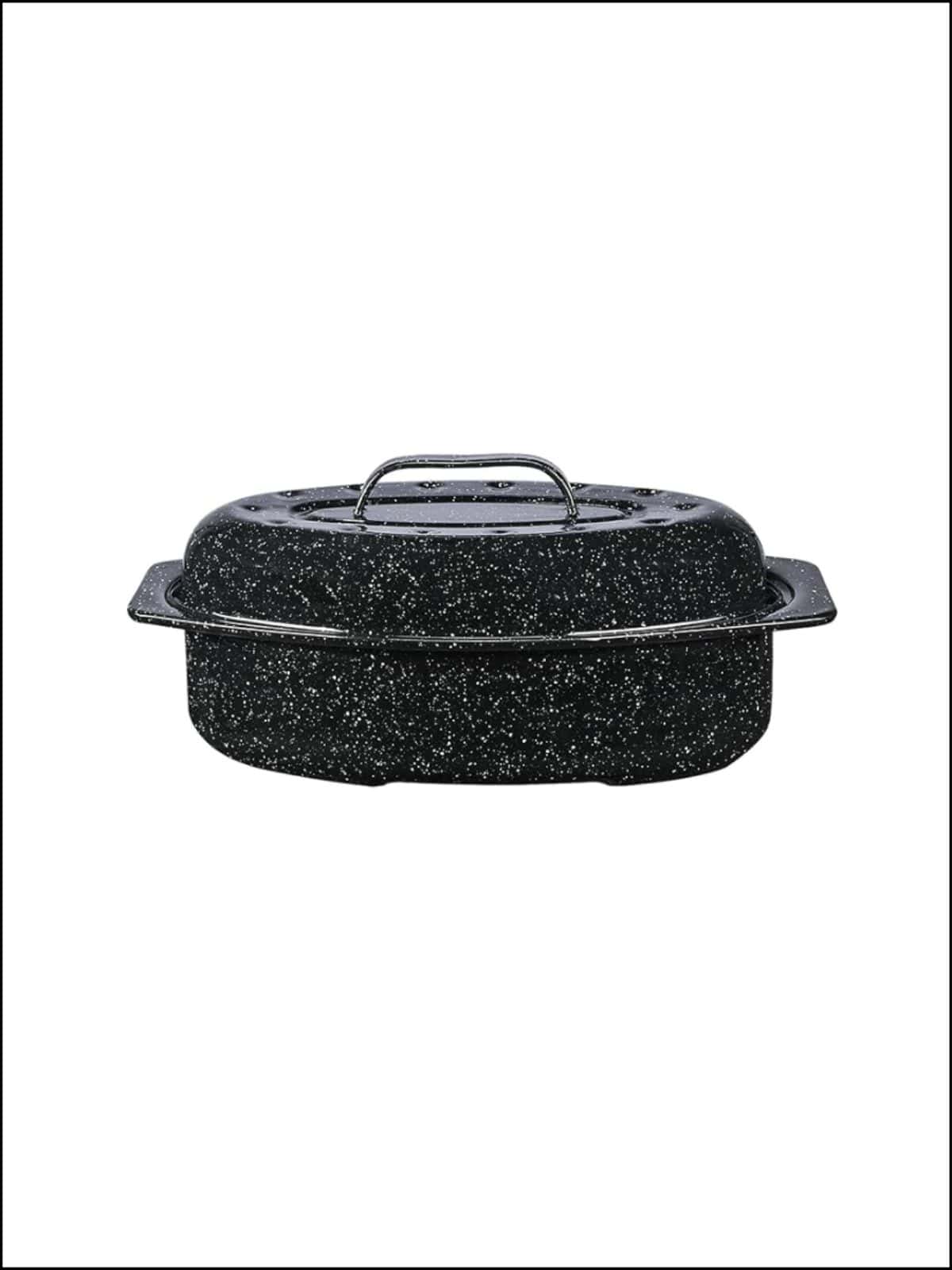
You need something that traps steam during the first part of the bake. The beginner-friendly options are a 5-qt Dutch oven, a Lodge Combo Cooker (an inverted Dutch oven), or a Granite Ware roaster. A roasting pan is especially nice because it is cheaper, lightweight, and easy to handle.
As you progress in your sourdough journey, you might consider investing in one of the best cast-iron baking tools: a Challenger Bread Pan. For a full breakdown of what to look for, see my guide to the best Dutch oven for sourdough.
Oven mitts
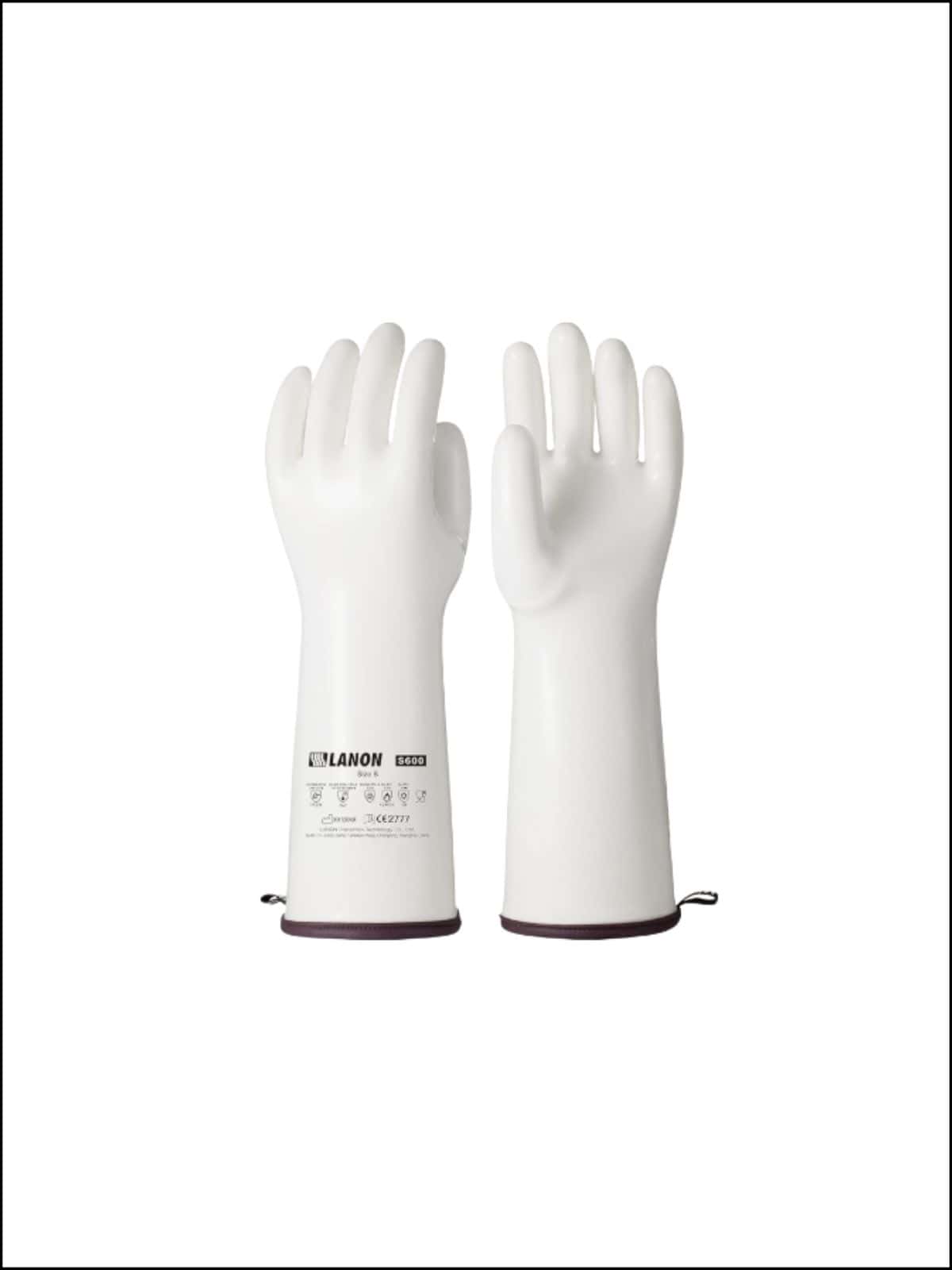
Oven mitts are a must for protecting your hands from the high heat when handling a Dutch oven or roasting pan. My personal favorite is the LANON silicone gloves with forearm protection.
If you want the safest option, go for OVO gloves. They withstand temperatures up to 540°F (282°C). Please note that Ove Gloves are often sold individually, so be sure to purchase two if they are not offered as a pair.
12. Bread knife
While it is not necessary at first, a good bread knife makes it easier to slice sourdough into clean, even slices. If possible, consider the Mercer 10-inch bread knife or the Saken serrated bread knife. For a full breakdown of what to look for, see my guide on choosing the best bread knife.
Nice-to-have bread-making tools
Once you bake a few loaves, feel comfortable, and are ready for my Master Sourodugh bread recipe, these tools make the process smoother.
1. Danish dough whisk
Although you can mix bread dough by hand, a Danish dough whisk makes it easier. Choose between the Tovolo Danish Dough Whisk and the Seamless Dough Whisk. Some bakers also prefer an eco-friendly wooden whisk.
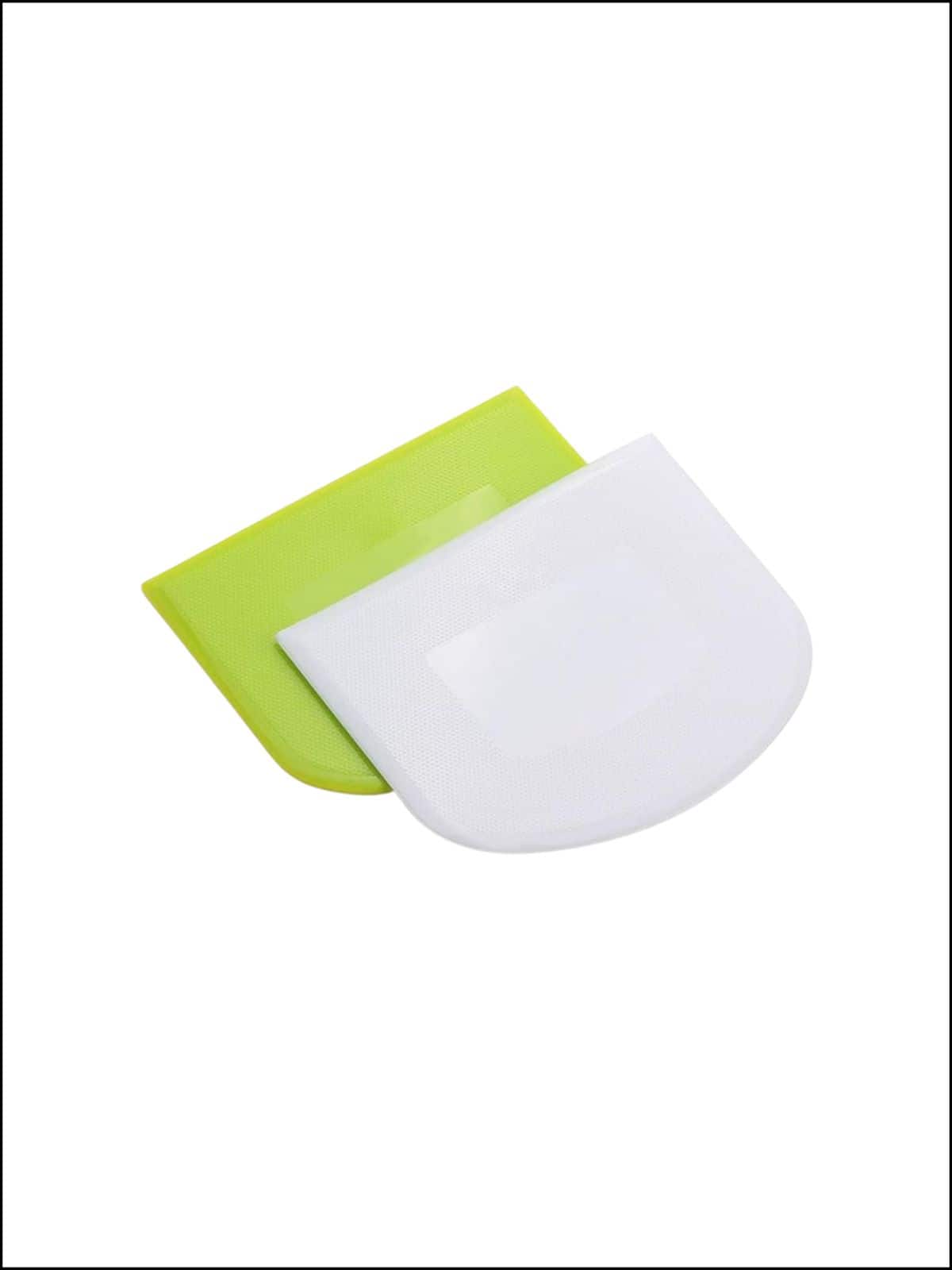
2. Dough scrapers
Dough scrapers help scrape the dough when mixing by hand and with a mixer.
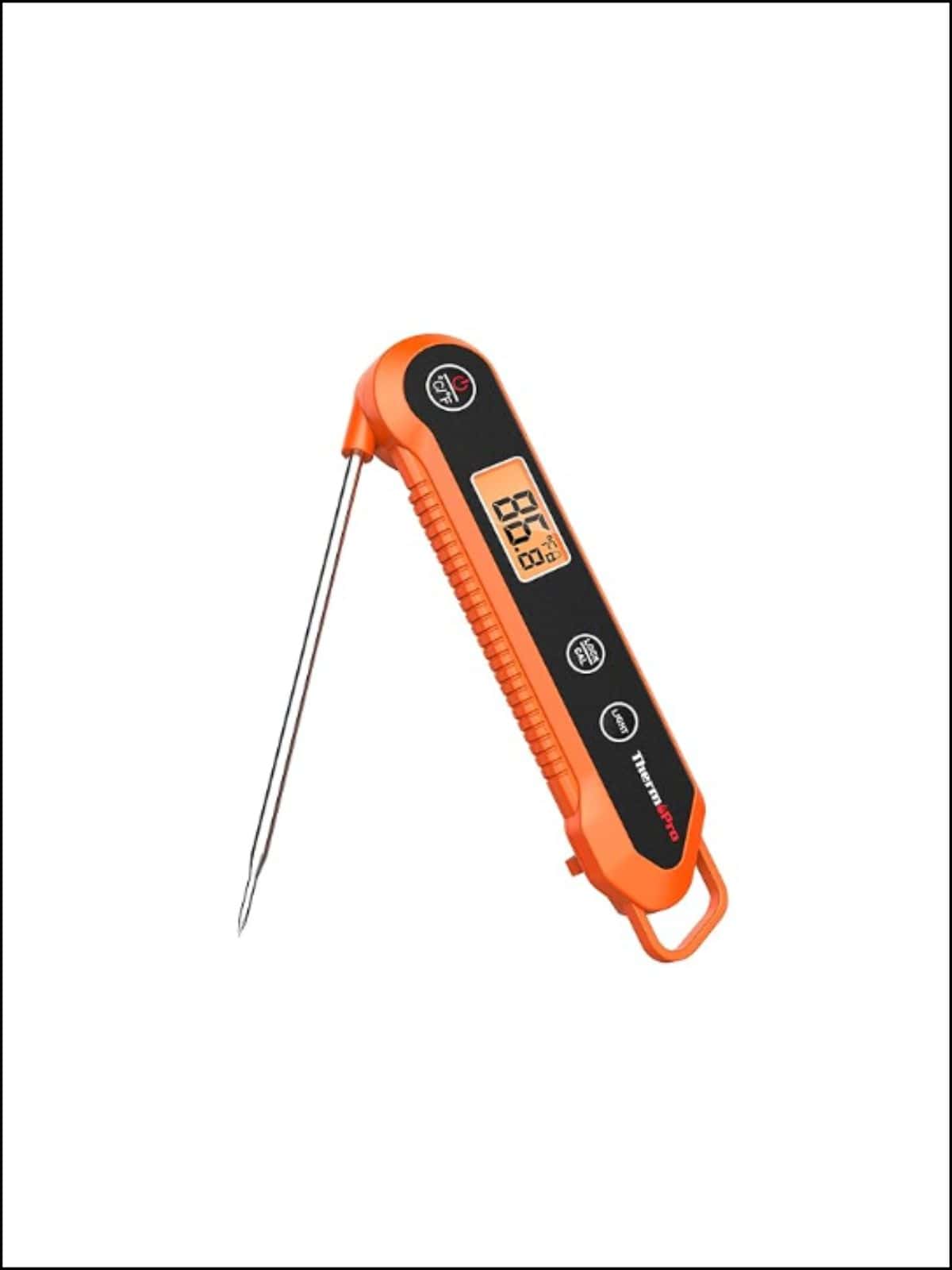
3. Probe thermometer
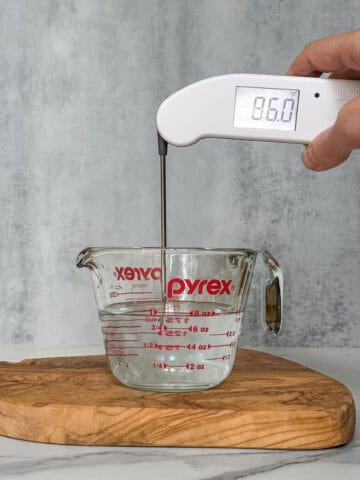
Using a probe thermometer (Thermapen® ONE is my favorite) is highly recommended, and even essential, for checking dough temperature and determining when bulk fermentation is finished. It is also used for checking the internal temperature of bread.
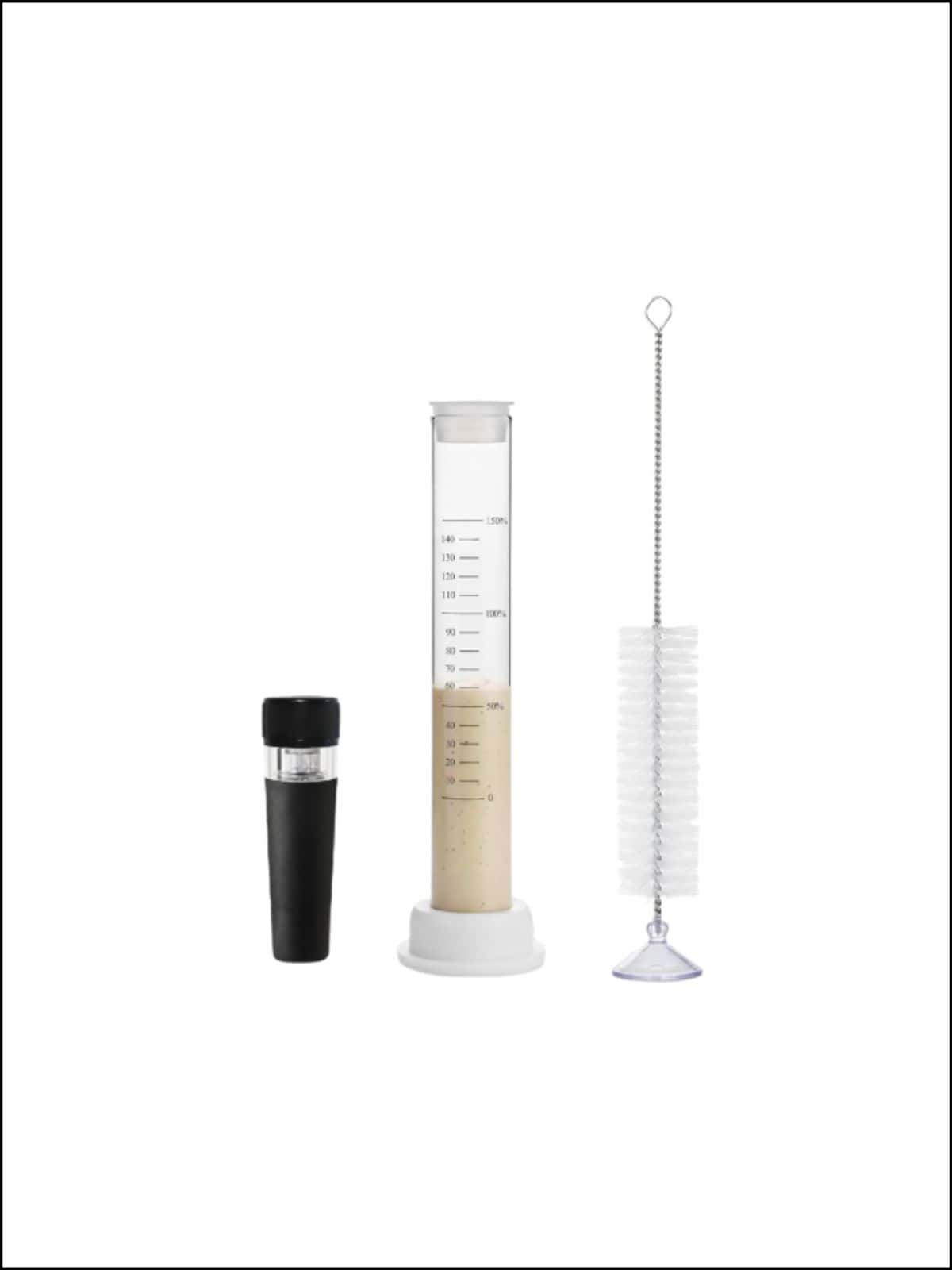
4. Aliquot jar
This small jar is used to measure dough rise during bulk fermentation. I use a 2.7-oz plastic container as an aliquot jar, but you can also try a specially designed sourdough aliquot jar set.

5. Bulk fermentation container
Cambro plastic containers are great for bulk fermentation, especially if making multiple loaves.
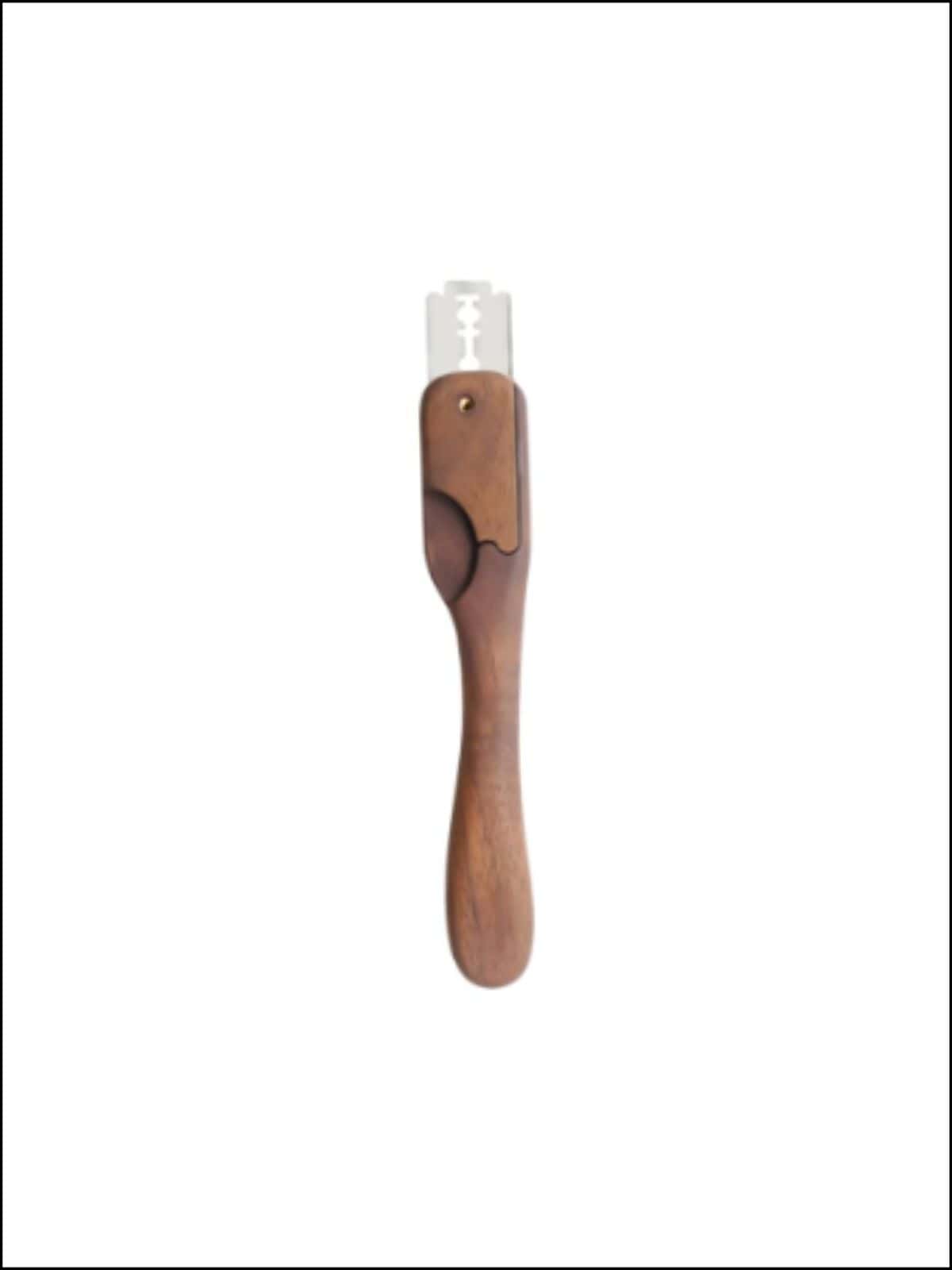
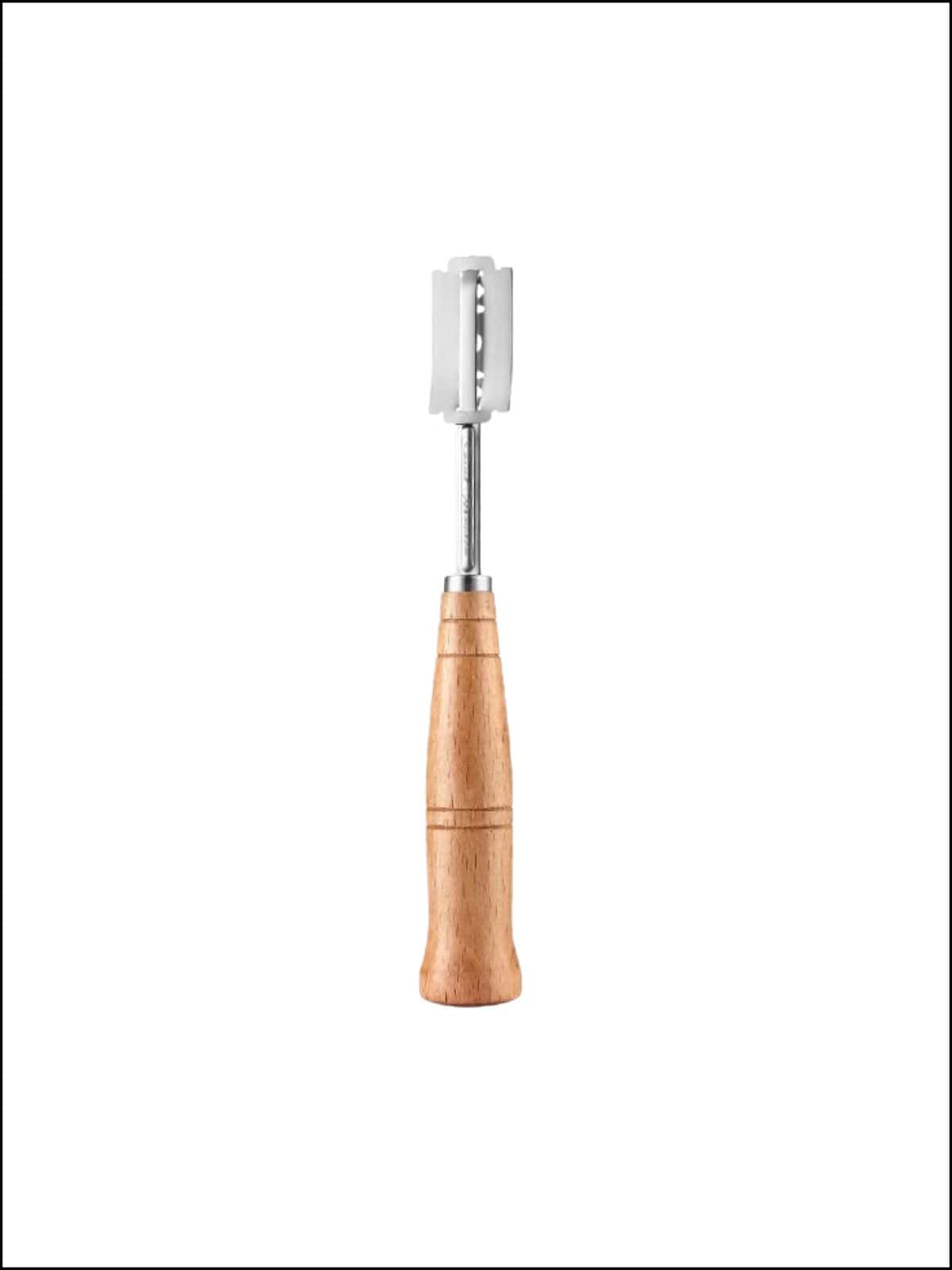
6. Bread lame
It is a dedicated scoring tool for cleaner cuts and better ear control. With so many options on the market, I personally like the RillyRellow bread lame. Many bakers really like the SAINT GERMAIN bread lame.
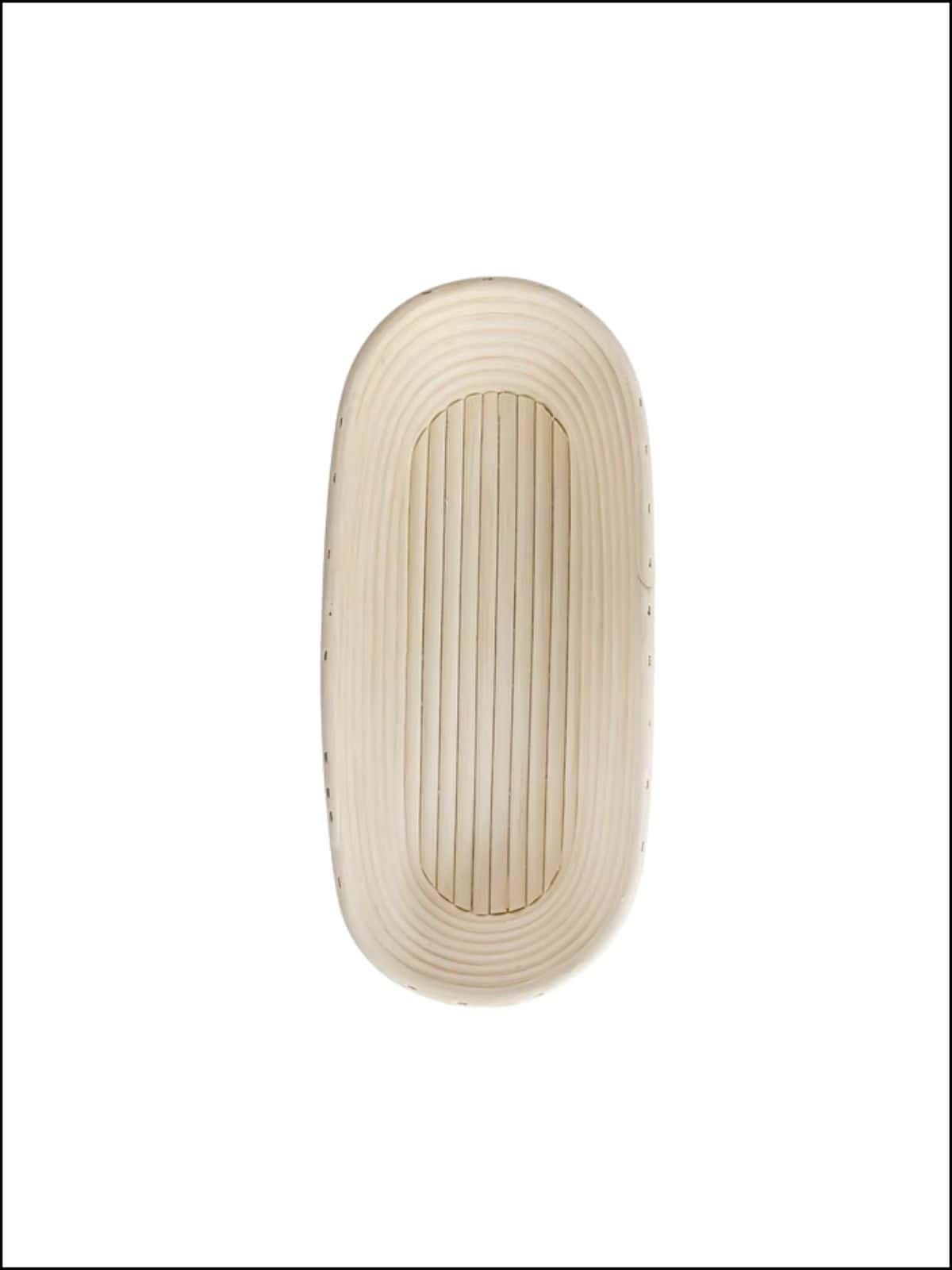
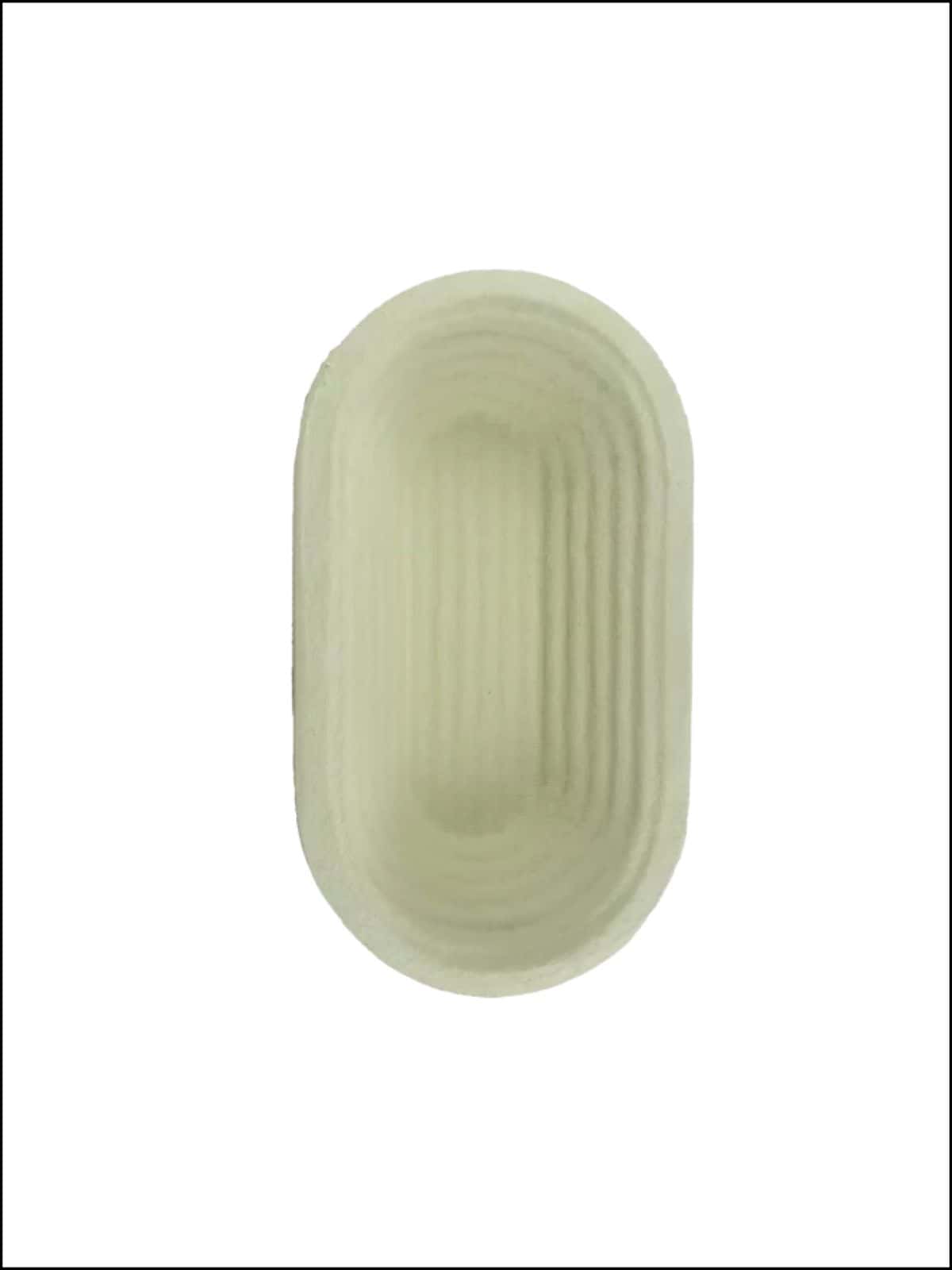
7. Banneton proofing basket
Bannetons provide shape and beautiful spiral patterns during proofing. You can choose between rattan and wood pulp bannetons. Learn more about different types of bannetons and how to choose the right banneton size.
Budget alternative: A bowl lined with a kitchen towel works perfectly for beginners.
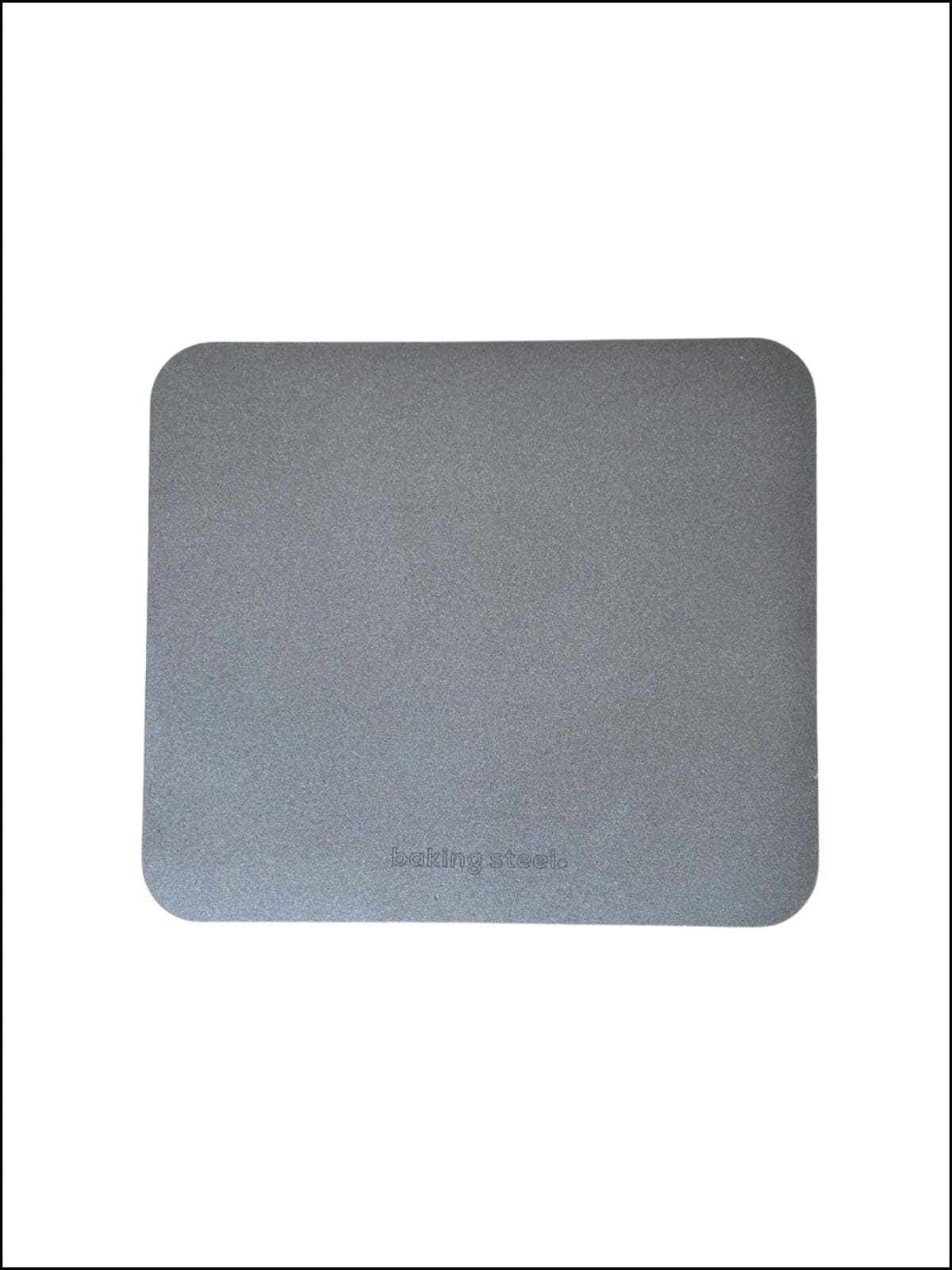
8. Baking steel or pizza stone
Both boost oven spring and crispness, especially useful for baguettes. They are perfect for the sourdough open-baking method and for use with the Brod & Taylor Baking Shell. Read more about how to bake sourdough without a Dutch oven.
9. Pizza peel
A pizza peel helps transfer the bread dough onto a baking steel or pizza stone.
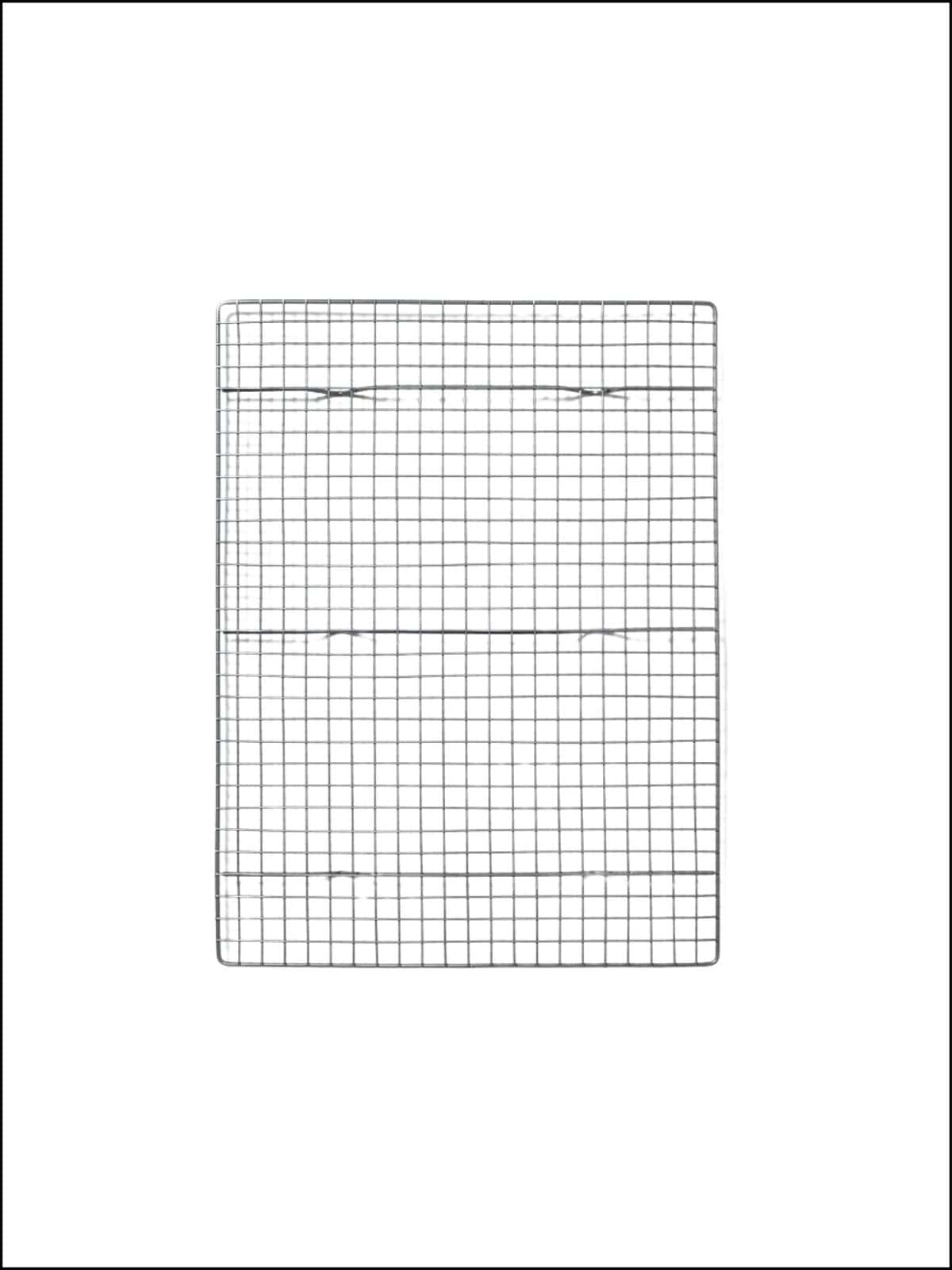
10. Cooling rack
A cooling rack allows air to circulate around your baked loaf, preventing it from getting soggy. The minimum cooling time is 2 hours.


Advanced sourdough tools (for when you are ready to level up)
These tools help you refine bulk fermentation, scoring, and bread shapes, but they are not necessary for beginners.
1. High-precision baker's scale
My Weigh KD-8000 kitchen scale is great for bakers who use baker's percentages and bake multiple sourdough loaves. It is considered the best baker's scale on the market.
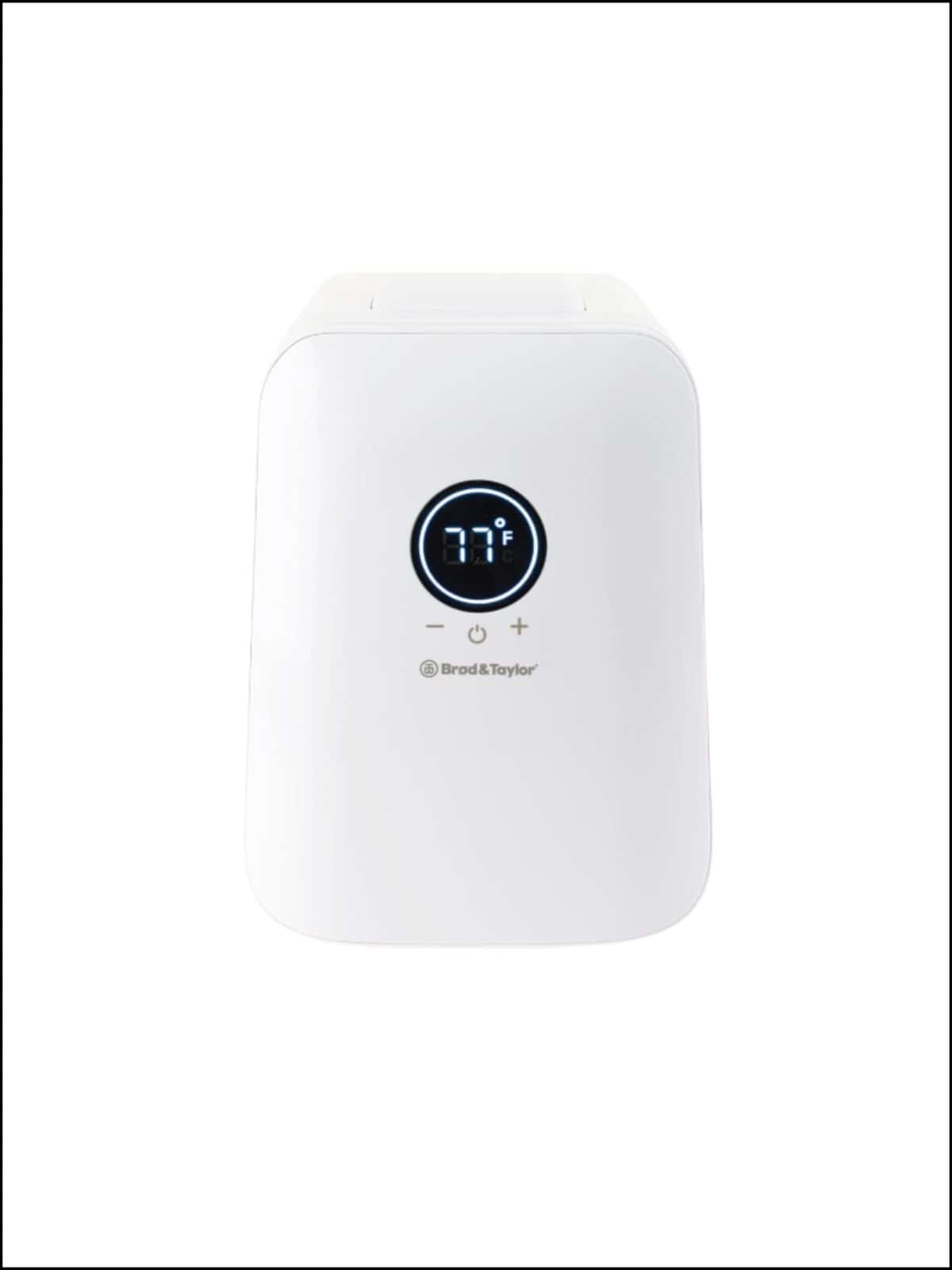
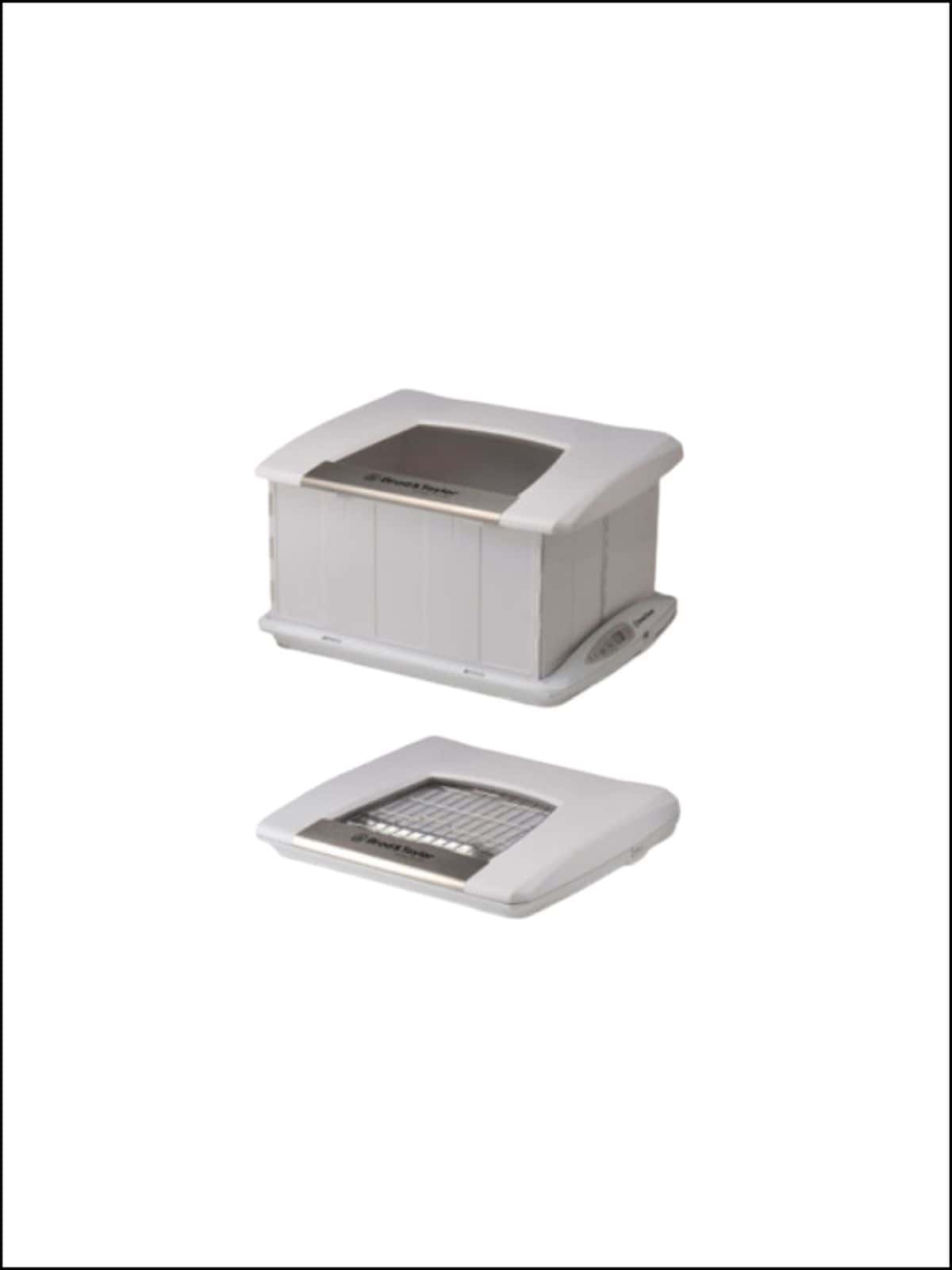
2. Dough proofer or fermentation box
Both the Brod & Taylor Sourdough Home and the Brod & Taylor Folding Proofer help you control temperature for consistent fermentation year-round. They are an investment, but a worthwhile one.
3. Stencils & specialty bread lames
If you are new to artistic scoring designs, start with different types of stencils. You can choose stencils by MAGJUCHE on Amazon or from other brands. As you progress, try using the UFO bread lame for decorative scoring.


4. Stand mixer with a dough hook or spiral mixer
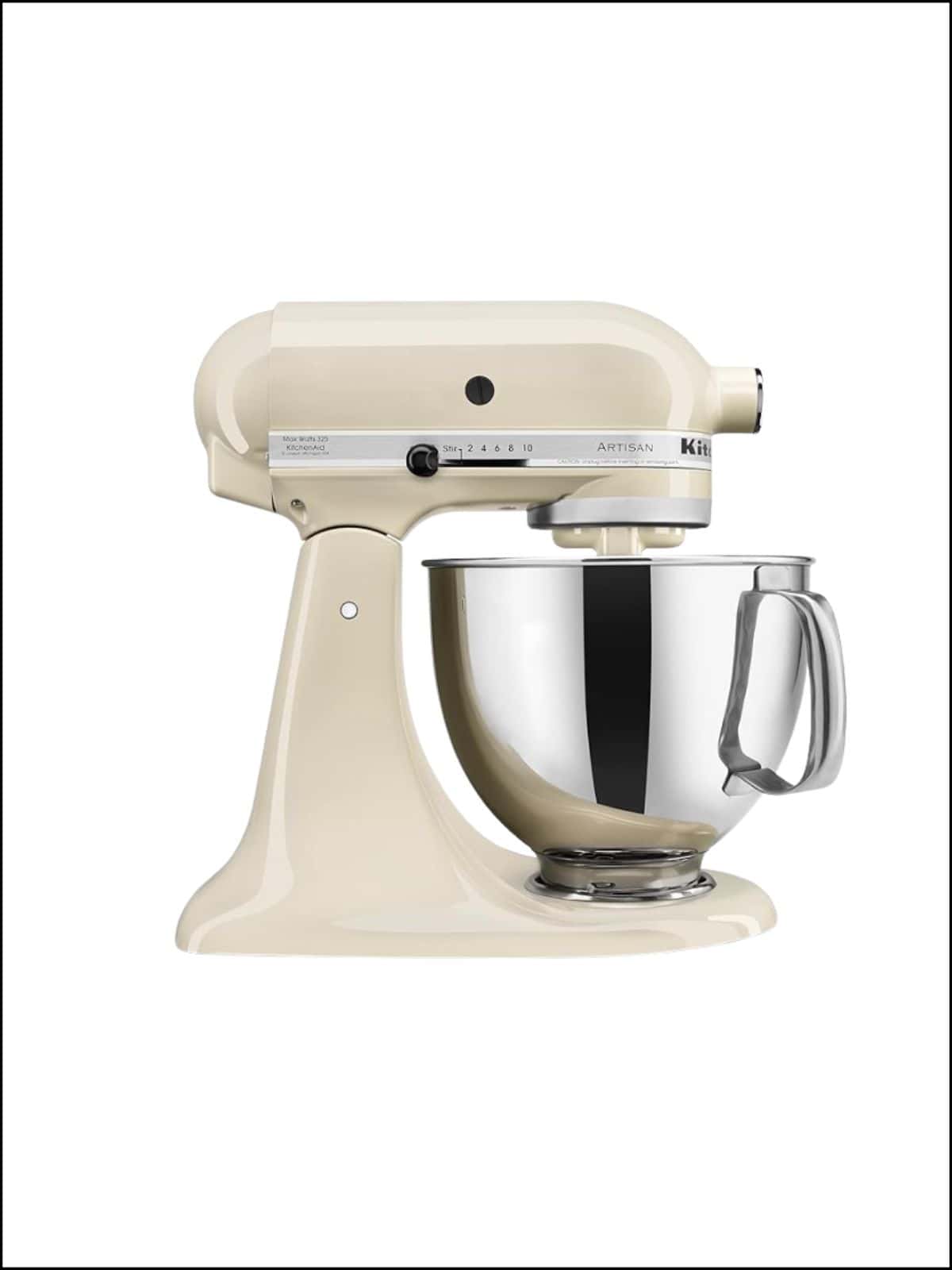
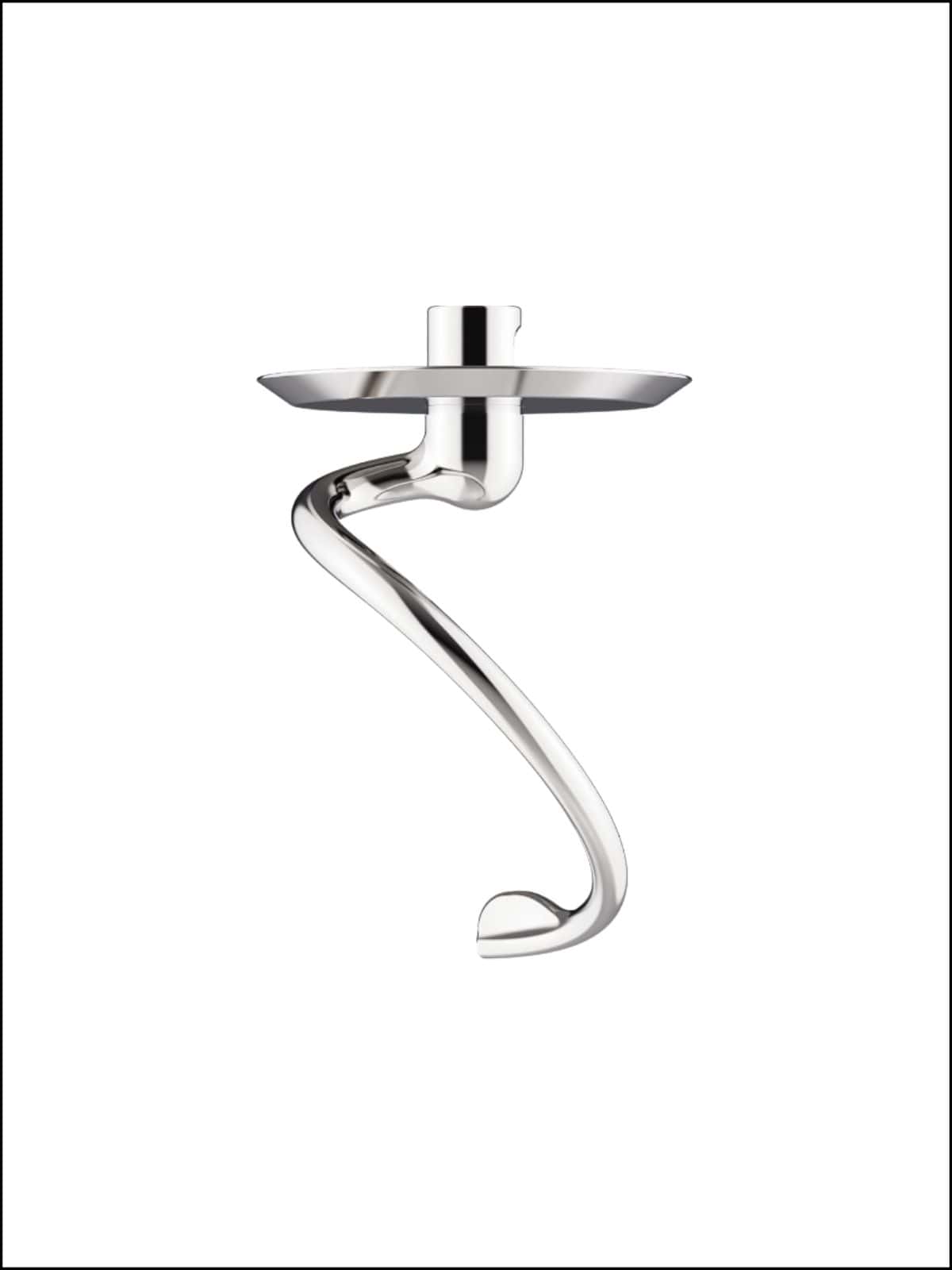
The classic 5-quart KitchenAid stand mixer with a spiral dough hook is still very useful for sourdough baking (see my guide on mixing sourdough in a stand mixer).
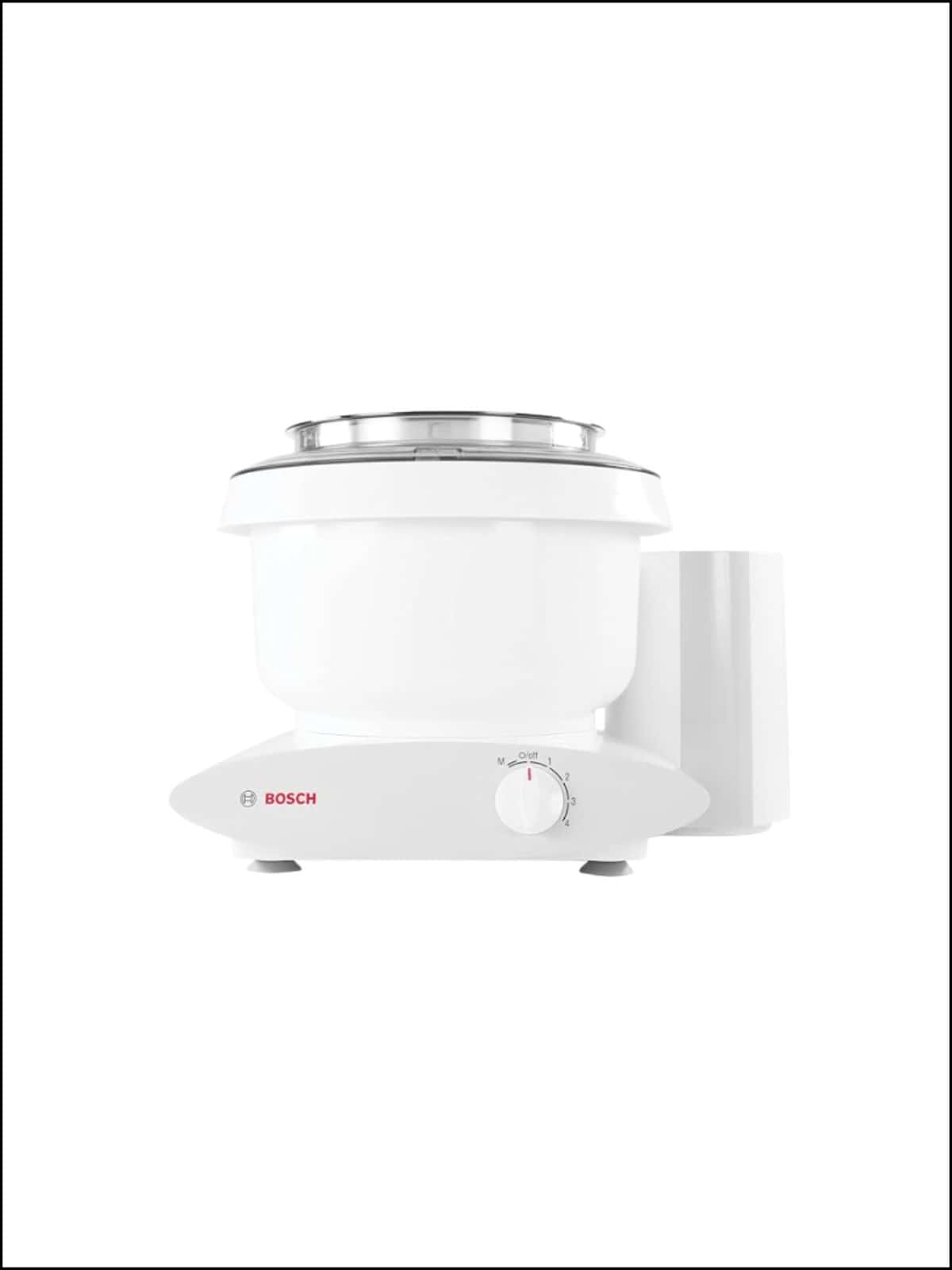
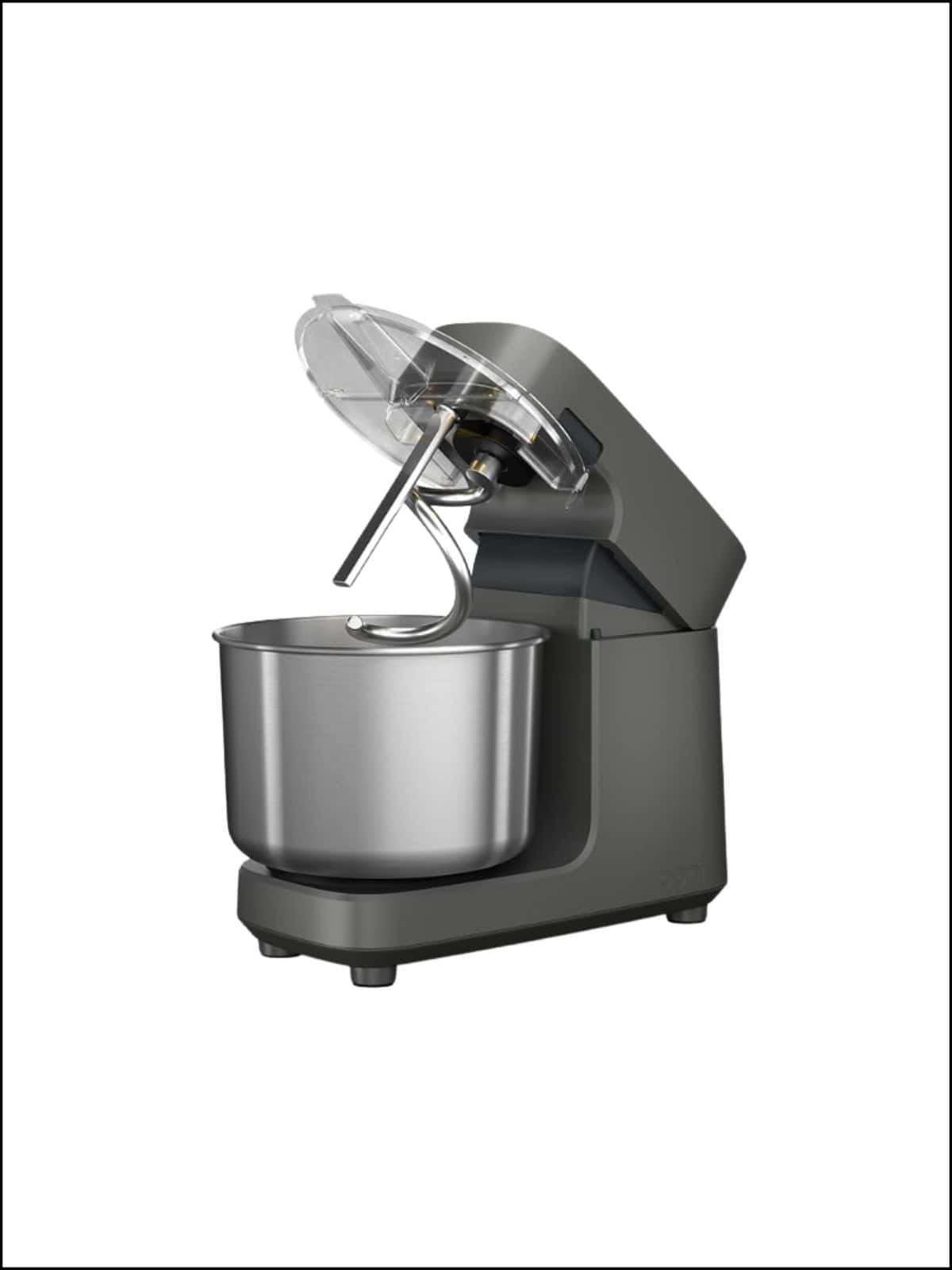
Many bakers also love using a Bosch stand mixer or OONI Halo Pro spiral mixer for even better dough development. Read more about hand mixing vs. using a spiral mixer in sourdough baking.
Budget-friendly alternatives (you don't need to buy it all)
Before you spend a penny, here is something I wish more people told beginners: you almost certainly already have what you need to bake your first loaf.
It is easy to look at all the beautiful sourdough gear online and feel like you have to buy it all before you can start, but you don't. Some of my best early loaves came out of a mixing bowl and a regular pot.
Here are simple substitutes for the most common tools, so you can start baking today with what's already in your kitchen:
- Instead of a proofing container, use any clear, straight-sided container. For watching your dough rise during bulk fermentation, any clear container with straight sides works. A glass storage container by OXO lets you see the rise just as well as a fancy proofer.
- Instead of a banneton, use a bowl lined with a floured tea towel. Dust a clean tea towel generously with rice flour, settle it into a bowl of roughly the right size, and you have a perfectly good proofing basket. Your loaf won't have the spiral rings, but it will proof and hold its shape just fine.
- Instead of a bread lame, use a sharp knife or razor blade. Any sharp blade will score your dough. A plain razor blade or a very sharp paring knife makes clean cuts, which is all a lame really does.
- Instead of a Dutch oven, use any heavy oven-safe pot with a lid. The Dutch oven's job is to trap steam for a crisp crust. Any heavy pot with an oven-safe lid works, or bake on a tray and add steam with a pan of hot water on the oven floor (see my guide to baking sourdough without a Dutch oven).
Once you have baked a few loaves and know you love it, you can invest in the "real" tools that make the process easier and more consistent. But none of them are a barrier to getting started. The most important ingredients are a healthy starter and a little patience. Everything else, you can improvise.
More sourdough baking equipment
Check out my Amazon storefront to see more of the baking tools I use at home and for selling sourdough bread as a Cottage Food baker.
FAQ
What tools do you actually need to start baking sourdough? Just a few: a kitchen scale, a mixing bowl, a bench scraper, something to score with, and a Dutch oven or oven-safe pot. Everything else is optional and can be added later.
Do you need special equipment for sourdough? No. While tools like bannetons and dough proofers help, you can bake excellent sourdough with just a bowl lined with a towel, a sharp knife, and a heavy pot with a lid.
What is the most important sourdough tool? A digital kitchen scale. Sourdough relies on precise ratios, and measuring by weight (not volume) is the single biggest factor in consistent results.
Is a Dutch oven necessary for sourdough? Not strictly, but it is the easiest way to trap steam for a crisp crust at home. Alternatives include a combo cooker, a cloche, or a baking pan with a pan of water for steam.
Ready to keep learning?
Once you have gathered the essential sourdough tools, the next big decision is choosing the right Dutch oven for baking crusty loaves at home.