
Quick Summary: A banneton and a brotform are the same thing, a basket that holds sourdough in shape as it proofs. "Banneton" is the French word, "brotform" the German. Brotforms are usually made of wood pulp, while bannetons are often made of rattan. They come in two main shapes: round (for a boule) and oval (for a batard). The "boule" and "batard" refer to the loaf shape, not the basket.
Jump to:
- What are bannetons?
- Bannetons vs. brotforms
- Oval vs. round bannetons
- Rattan vs. wood pulp bannetons
- Other bread-proofing baskets
- Which proofing baskets are best?
- Where to buy bannetons
- Top online stores for bannetons
- Banneton alternatives and when to upgrade
- Let's talk sourdough
- Ready to keep learning?
- Comments
What are bannetons?
Bannetons are special proofing baskets designed to hold and support sourdough during its final rise, also called sourdough proofing.
Their unique spiral patterns and materials allow the dough to breathe, helping develop the bread's texture, shape, and crust. The shape of the banneton also affects the finished loaf, giving it specific contours and patterns.
Bannetons vs. brotforms
A banneton and a brotform are essentially the same. "Banneton" is the French term for bread-proofing baskets, while "brotform" is the German term for the same thing. Both help sourdough keep its shape while it rises before baking.
The main difference is that a brotform is usually made from wood pulp and is often considered a higher-end option for bakers.
| Banneton (rattan) | Brotform (wood pulp) | |
| Origin of name | French | German |
| Material | Rattan or cane | Spruce wood pulp |
| Moisture handling | Breathable, less absorbent | More absorbent, great for high hydration |
| Durability | Less durable, mold-prone if damp | Durable, mold-resistant |
| Crust | Leaves spiral rings | Even crisp crust |
| Cost | More affordable | Higher-end, pricier |
Oval vs. round bannetons
The two most common shapes of bannetons are oval (batard) and round (boule). Each shape offers something different, depending on what you want your bread to look like.
An oval banneton creates a torpedo-shaped loaf, which many consider the classic sourdough style.
This shape works well for longer scores, such as those that produce the signature sourdough ear. The oval shape also holds more dough, making it great for larger loaves or those with higher hydration. Once you have chosen a shape, check my banneton size guide to match the basket to your dough weight.
A round banneton produces a classic circular loaf with an even, symmetrical appearance.
It is perfect for bakers who love consistency and traditional scoring patterns, such as an X-score. The round shape works better for smaller loaves or for dough with lower hydration.
In practice, oval bannetons are more space-efficient in the fridge, while round ones may leave extra space unused. Additionally, some people find round loaves more challenging to slice and fit into sandwich bags or toasters.
But how to choose between these shapes? It often depends on your personal preferences and baking goals.
Some bakers find shaping bread dough as a batard easier than a boule, as the round shape requires more tension. Interestingly, batard or oval-shaped bread tends to sell better at bakeries.
Rattan vs. wood pulp bannetons
The material is also important when picking a banneton. Two of the most popular options are rattan and wood pulp. Both serve the same purpose and are similar in shape and size.
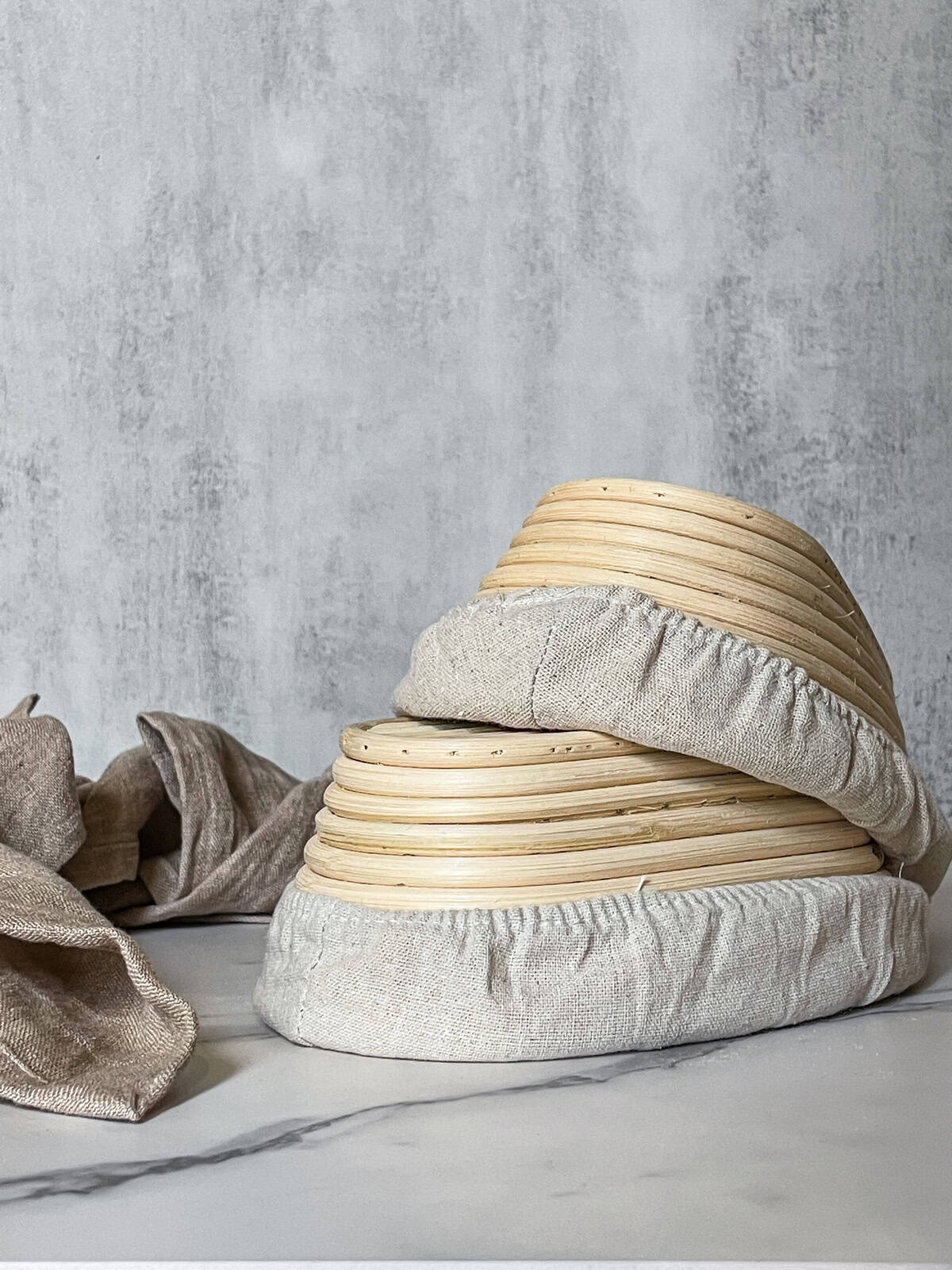
Rattan bannetons are lightweight and breathable, and often come with a linen cloth. They make a beautiful imprint on the bread's crust. However, they are less durable and more prone to mold if not properly cared for.
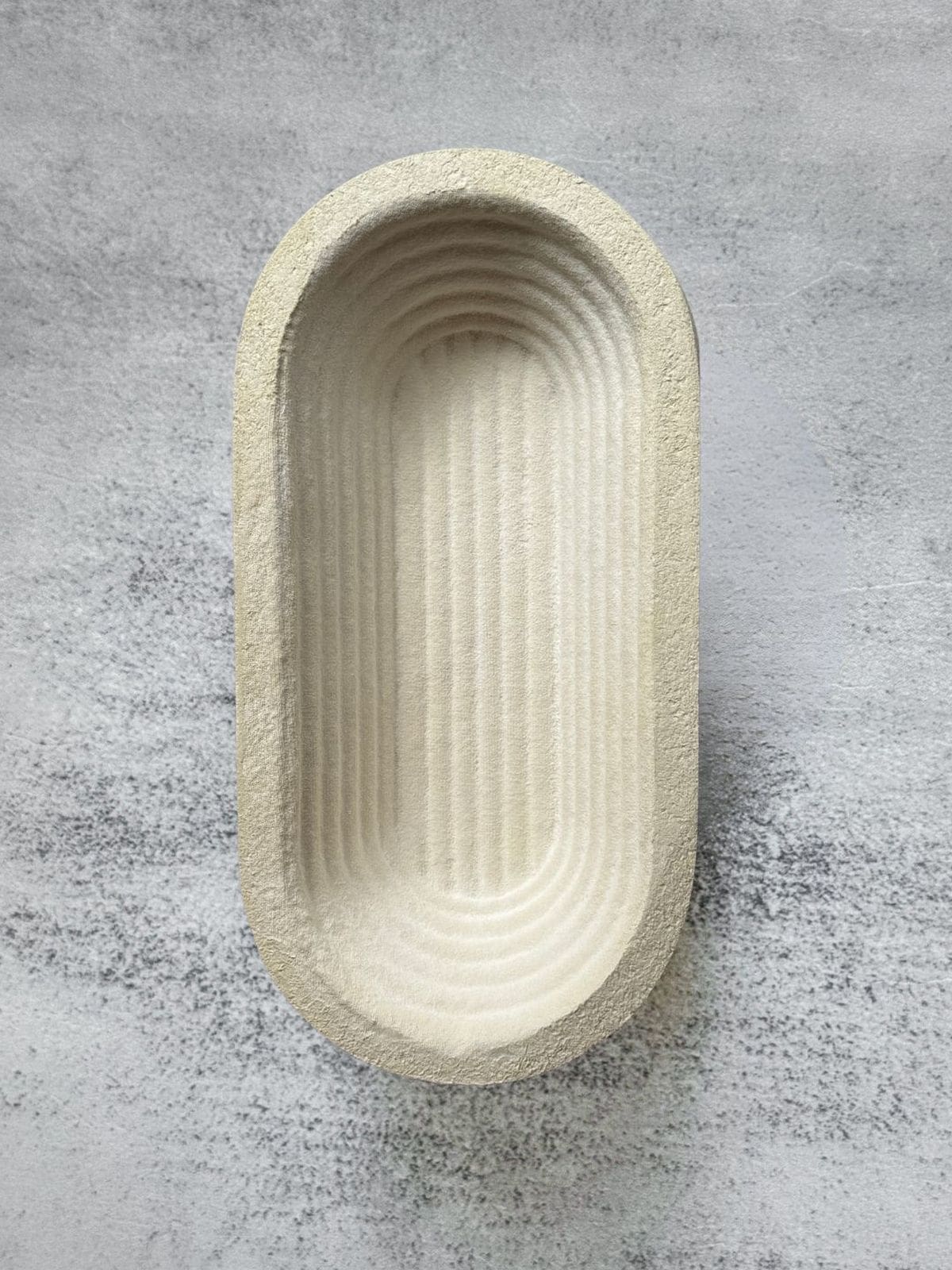
Wood pulp bannetons, also known as German-style brotforms, are made from spruce tree pulp and are more absorbent. This helps absorb excess moisture from high-hydration dough, producing an even, crisp crust. The wood grain of spruce bannetons also adds a distinctive flavor and texture.
Wood pulp bannetons are durable and resistant to mold. They are considered professional-quality baskets but are usually more expensive than rattan ones.
However, they are less durable and more prone to mold if not properly cared for. If that happens, see how to fix common banneton problems like mold and sticking.
Other bread-proofing baskets
When you look online, you can find bannetons in various shapes, including triangles, squares, hearts, and even crowns. They might seem unusual at first, but trying them can be fun, especially when adding unique bread shapes to sourdough bread.
Unique proofing baskets, including those with engraved patterns, are available from the German company Herbert Birnbaum. Their polypropylene baskets are breathable, durable, and dishwasher-safe alternatives to traditional options.
Another option is wicker-proofing baskets. Common in Germany, these baskets are made from natural willow shoots and are often lined with cloth. A variation of these is coiled wicker baskets, made by spiraling wicker strips into round or oval shapes.
Which proofing baskets are best?
Choosing the right proofing basket depends on your baking style, the type of bread you want to make, and your personal preferences.
Both rattan and wood pulp bannetons are designed to allow the dough to breathe and absorb moisture, helping you achieve a perfect crust and shape.
While you can use banneton alternatives, classic bannetons are preferred for their superior functionality and the professional results they deliver.
If you proof your bread in an oval banneton, you may wonder if you need an oval Dutch oven to bake it. While an oval Dutch oven can help maintain the shape, a round one works too. You will end up with a round boule instead of a batard.
Choosing your first banneton? Grab my free Banneton Size Chart so you pick the right size for your dough, oval or round, at a glance.
Where to buy bannetons
You can find bannetons in various online specialty stores and local shops, offering options for both beginners and seasoned bakers. Many bakeries or kitchen supply stores near you might carry them, so it is always worth checking.
Culinary stores offer a broader selection of kitchenware, including high-quality proofing baskets. Browse marketplaces for artisan-crafted bannetons with unique shapes. And don't forget about thrift stores, where you can find cheap, treasured stuff.
Top online stores for bannetons
- Amazon is famous for its numerous products, including different types of bannetons. I mostly use rattan bannetons and occasionally try wood pulp bannetons.
- King Arthur Baking Company is a go-to source for sourdough essentials, offering quality proofing baskets and other baking tools.
- The Sourdough School Shop focuses entirely on sourdough, providing both traditional bannetons and creative alternatives.
- The Lucky Clover Trading Company is a US-based company that sells sturdy and affordable bannetons made from natural rattan.
- Bakery Bits is a UK-based company known for a wide range of bakery supplies, including rattan bannetons, banneton liners, and eco-friendly bakeware.
- Crust&Craft is a German company known since 1847 for its famous hand-made wood pulp bannetons and bread-making accessories.
- Banneton Man is an Australian company that offers a wide range of rattan bannetons made from 100% organically grown rattan and banneton liners.
- WebstaurantStore offers high-quality proofing baskets from the French company Matfer Bourgeat, including unique shapes such as triangle and crown designs, as well as wicker baskets.
Banneton alternatives and when to upgrade
It is incredible how creative sourdough bakers are when finding alternatives to bannetons. They use everyday items like Easter baskets, fruit bowls, or even ramekins lined with cloth that can serve as proofing baskets.
However, as you bake multiple loaves of bread and want to increase your output, you may want to invest in high-quality bannetons. They help you achieve even better baking results, and might even inspire you to obtain a Cottage Food permit to sell your bread.
Let's talk sourdough
Which type of proofing basket do you prefer: banneton, brotform, or something else? Share your experience in the comments.
Ready to keep learning?
Now that you have chosen the banneton type that suits your baking style, learn how to use a banneton the right way.