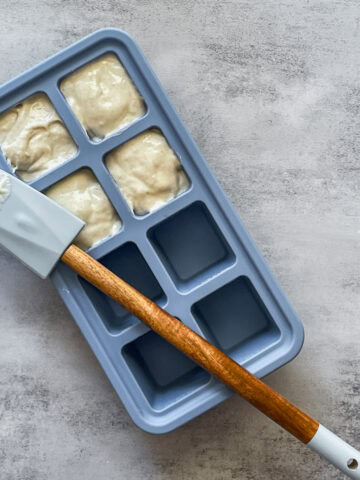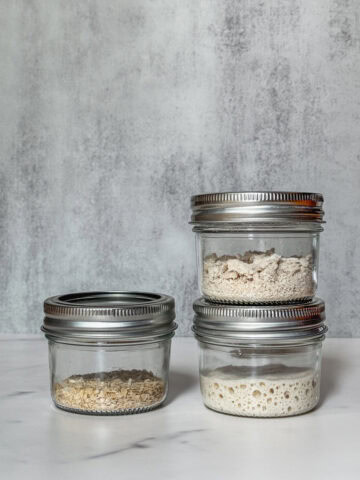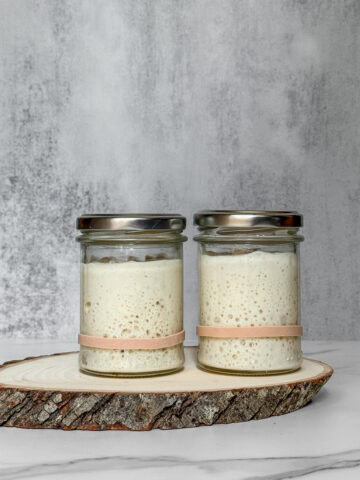

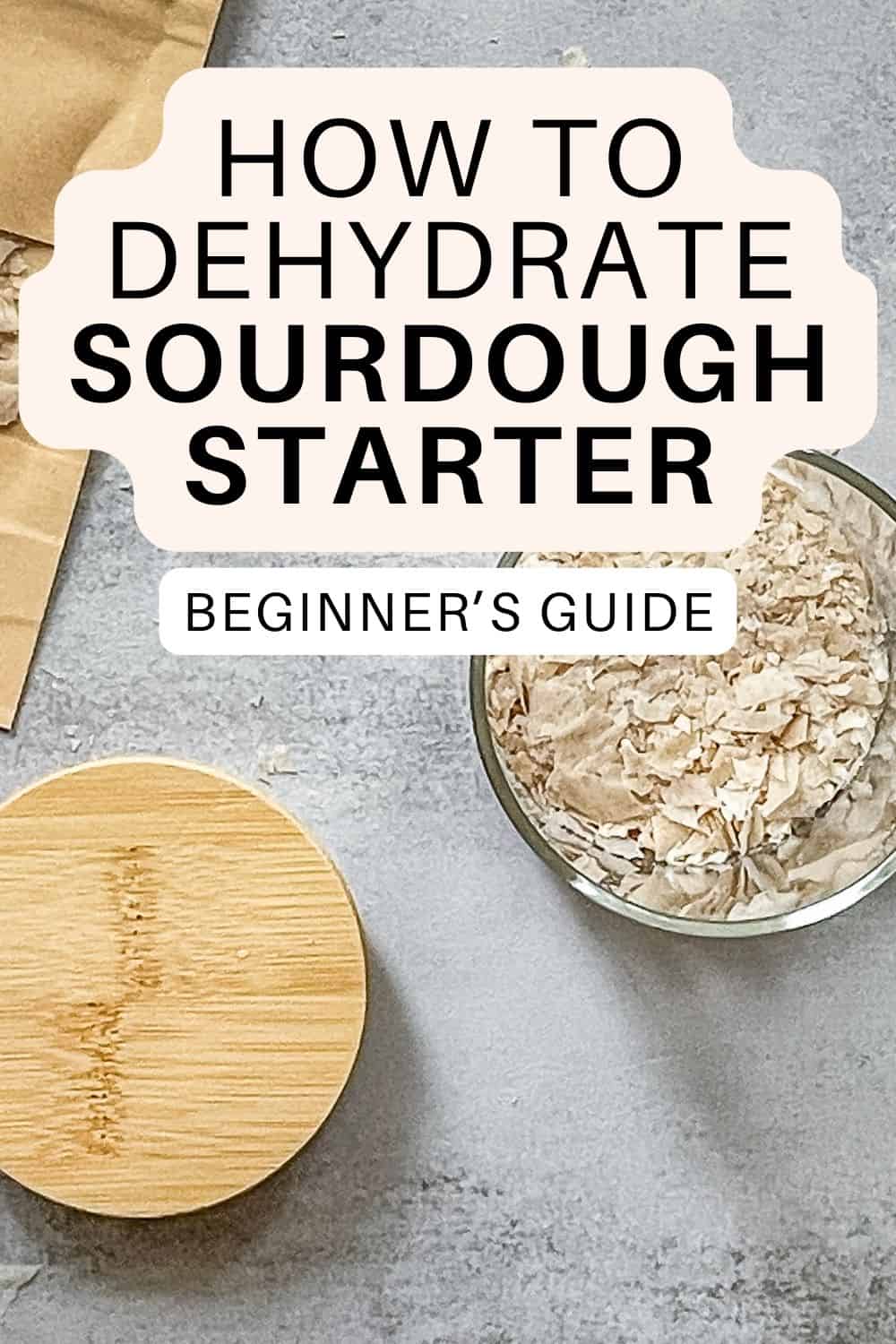
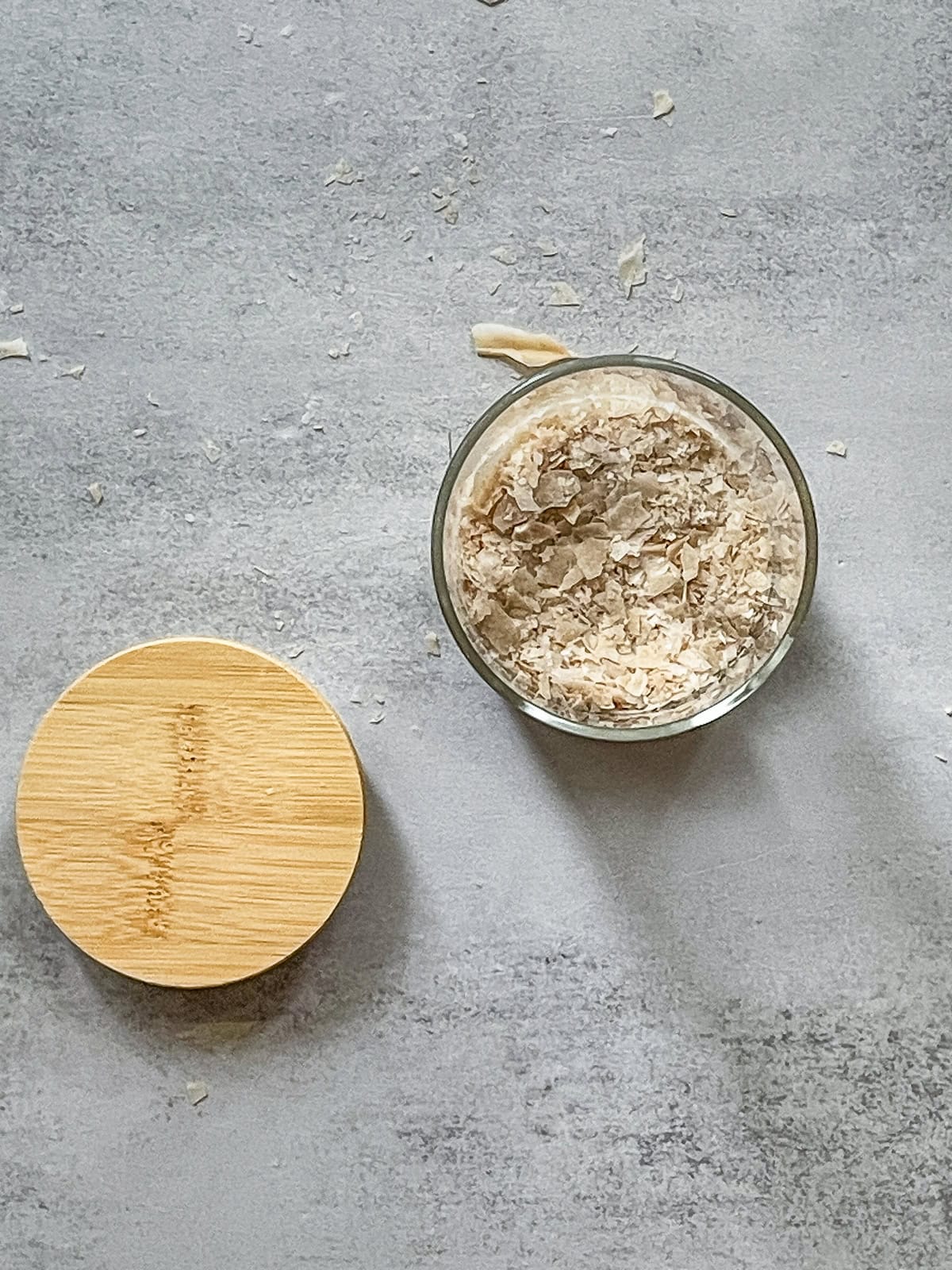
Learn how to dehydrate sourdough starter, a great way to preserve it for weeks, months, or even years. This method allows you to share it with others, pack it for travel, or sell it (if permitted).
This guide will show you how to dry and store your sourdough starter so it is easy to use whenever you need it.
At a Glance
- Best for: Beginner and intermediate bakers who want to preserve their sourdough starter for long-term storage or backup.
- What you'll learn: How to dry a sourdough starter, store it safely, and rehydrate it when you're ready to bake again.
- Skill level: Beginner
- Time commitment: About 15-20 minutes of hands-on time, plus 12-48 hours for the starter to dry completely and several days to reactivate it.
- Key techniques: Spreading starter thinly, air-drying, storing dehydrated flakes, and rehydrating and feeding the starter until active.
- Optional steps: Create multiple backup batches, label storage dates, or share dehydrated starter with friends and family.
- Main takeaway: Dehydrating your sourdough starter is a simple way to create a long-lasting backup that can be revived with a few feedings.
- Next step: Once your starter is reactivated and doubling reliably, try a Beginner's Sourdough Bread Recipe to get back to baking.
Jump to:
- At a Glance
- Why dehydrate sourdough starter
- When is the right time to dehydrate the starter?
- What do you need to start?
- Methods for dehydrating sourdough starter
- How to dehydrate sourdough starter at room temperature
- How to dehydrate sourdough starter using a fan
- How to dry sourdough starter with a dehydrator
- How to dry sourdough starter in the oven
- How to store dehydrated sourdough starter
- How long does dehydrated sourdough starter last?
- Let's talk sourdough
- Ready to keep learning?
- Recipe
- Comments
Why dehydrate sourdough starter
- Long-term storage: If you plan to take a break from baking sourdough bread for six months or more, dehydrating the starter will keep it safe until you are ready to use it again.
- Backup plan: If the starter gets moldy or is lost, if the jar breaks, having a dry starter on hand makes a reliable backup.
- Sharing: You can easily give a dehydrated starter to friends or family.
- Selling: Drying the extra starter is a smart way to use leftovers and make some money, but check local regulations to see if it is allowed.
- Traveling: A dehydrated starter is easy to pack, and you can reactivate it to bake bread anywhere, even in a vacation rental.
When is the right time to dehydrate the starter?
You should only dehydrate an established sourdough starter that is at least 3 to 4 months old. It creates the best flavor and texture in your sourdough bread.
A younger starter is not fully developed, and you want to preserve a strong, healthy culture.
What do you need to start?
Drying sourdough starter does not require many tools, making it perfect for beginners. Here is what you will need:
- A non-stick surface, like a silicone mat or non-stick parchment paper
- A room fan or a ceiling fan with adjustable power settings
- A dehydrator (optional but helpful in drying larger amounts)
- Airtight containers for the storage of the dehydrated starter
Methods for dehydrating sourdough starter
There are four methods to dry sourdough starter, depending on what tools you have at home:
- Room-temperature drying
- Using a fan
- Food dehydrator
- Oven drying
How to dehydrate sourdough starter at room temperature
The room-temperature method doesn't require any special equipment. Drying time can range from 3-6 hours up to 1-2 days, depending on the ambient temperature and humidity. Here is a simple step-by-step process:
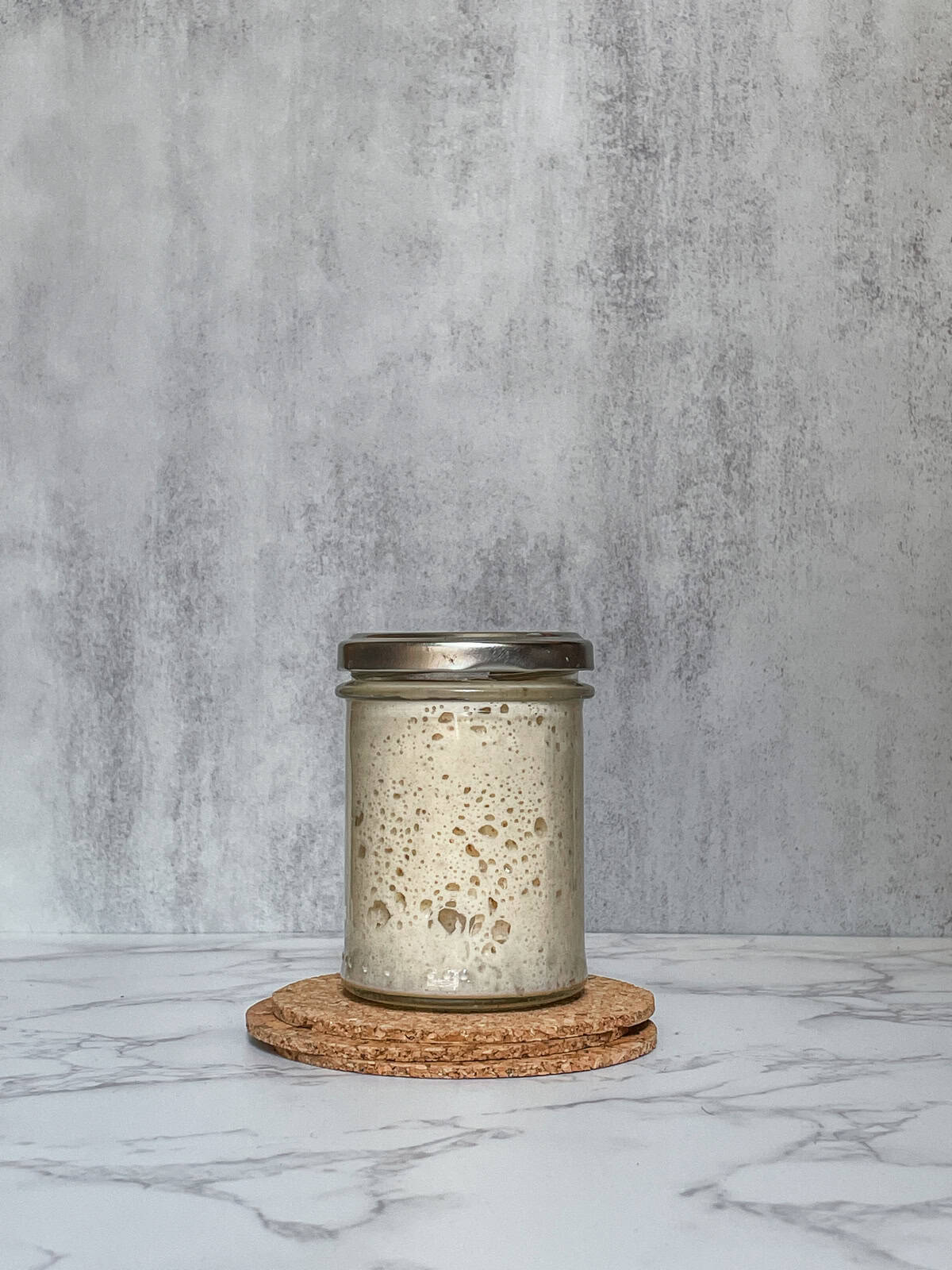
Feed your sourdough starter and wait until it becomes bubbly and active, reaching its peak.
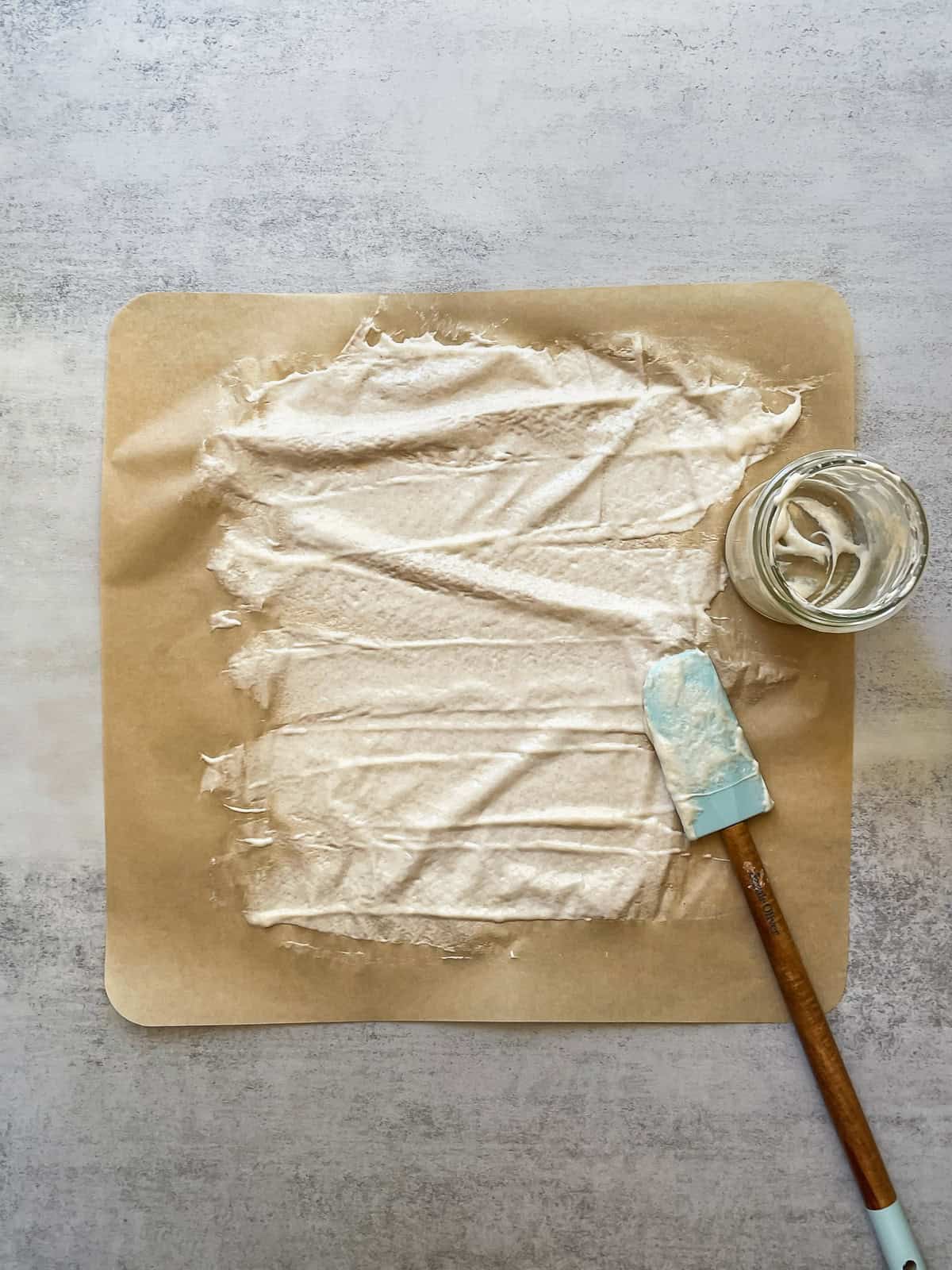
Use a pastry or silicone brush to spread the starter thinly and evenly over parchment paper or a silicone mat. A thin layer dries faster and prevents uneven drying, where the edges are too dry, and the center stays moist.
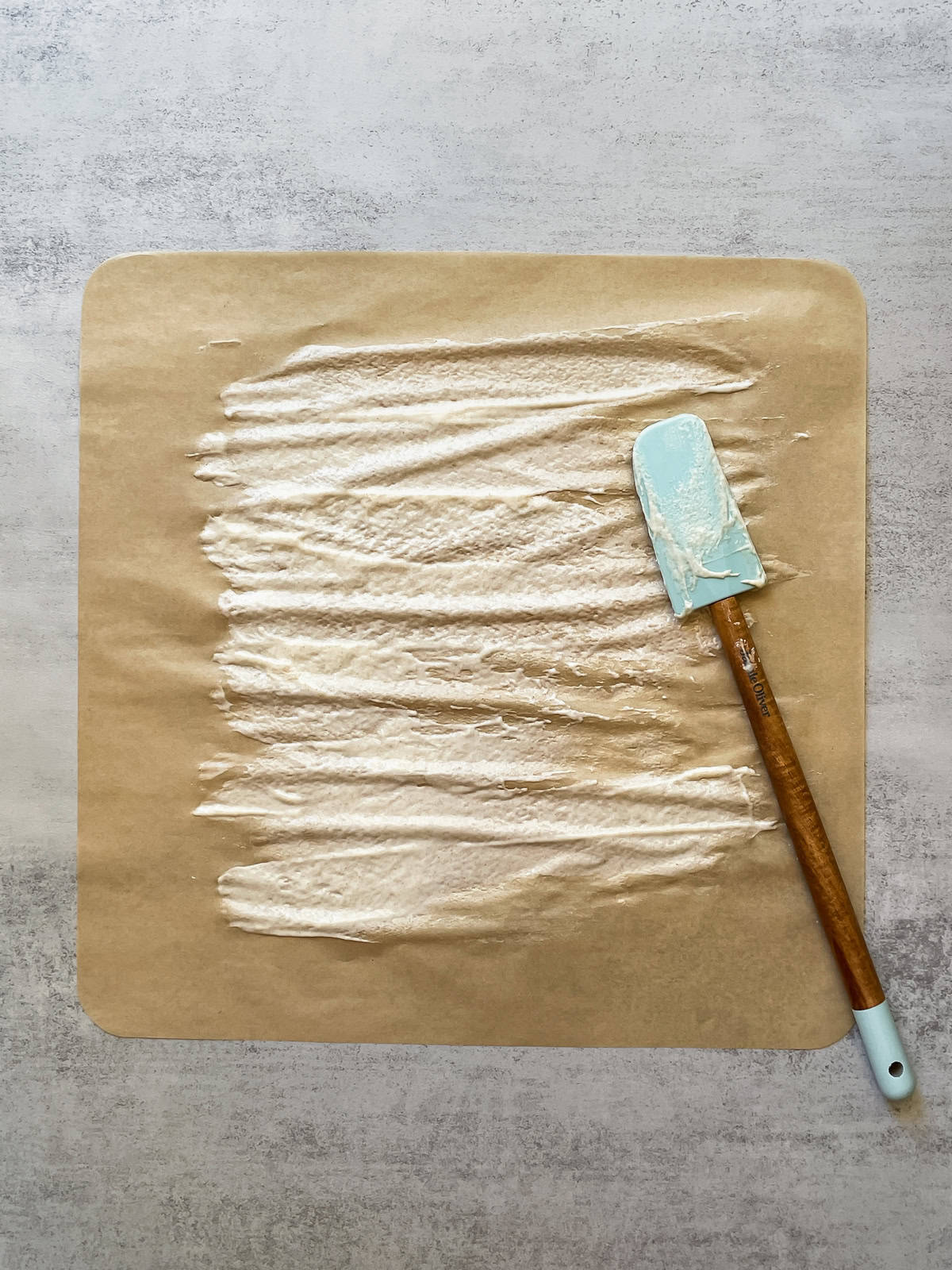
Let the starter air-dry naturally. Stir or break up thicker sections periodically to provide even drying and prevent mold or overly damp spots. Check that it feels crisp and no longer sticky before proceeding.
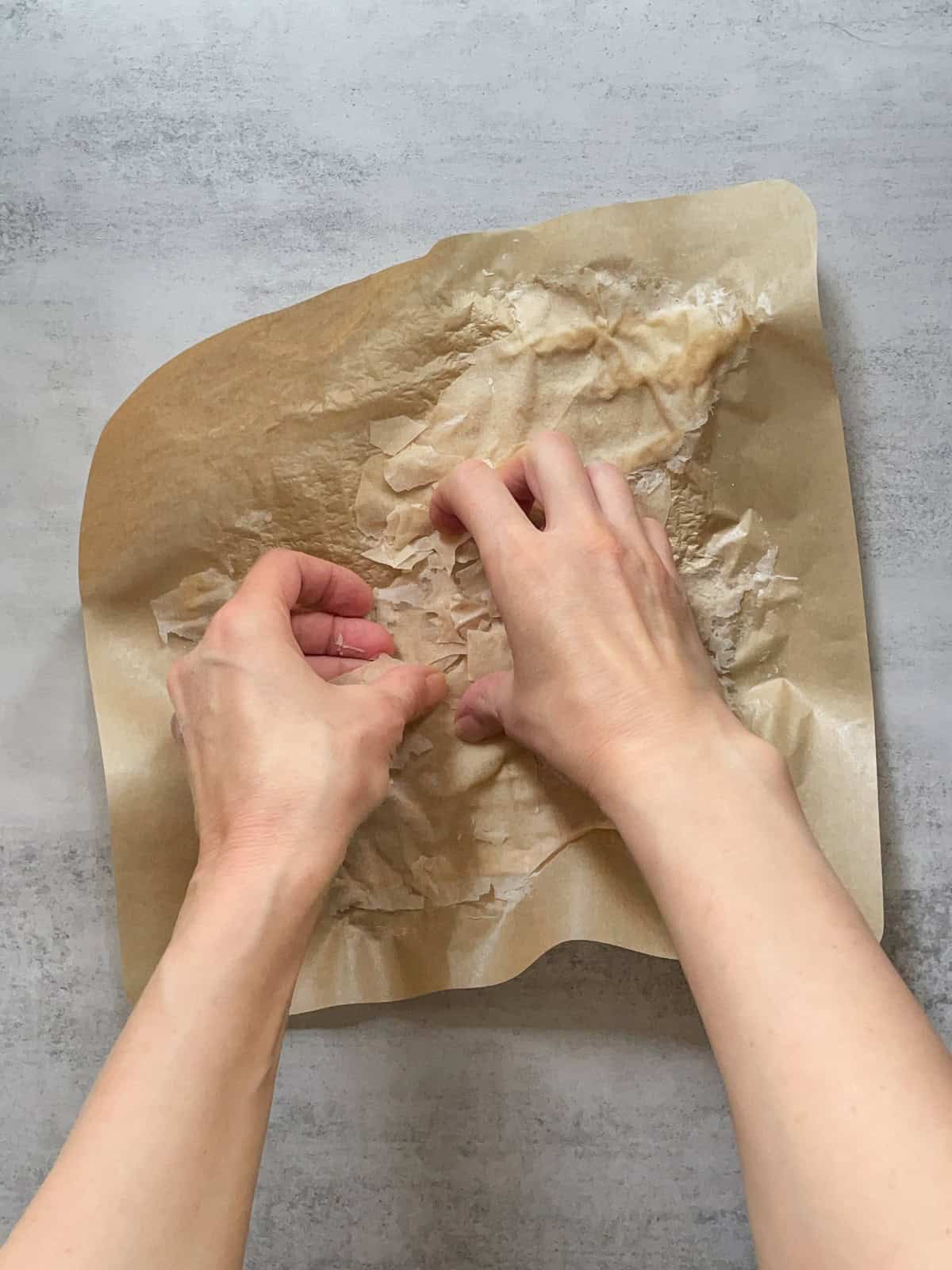
Once the starter is fully dry, break it into small pieces or shards by hand.
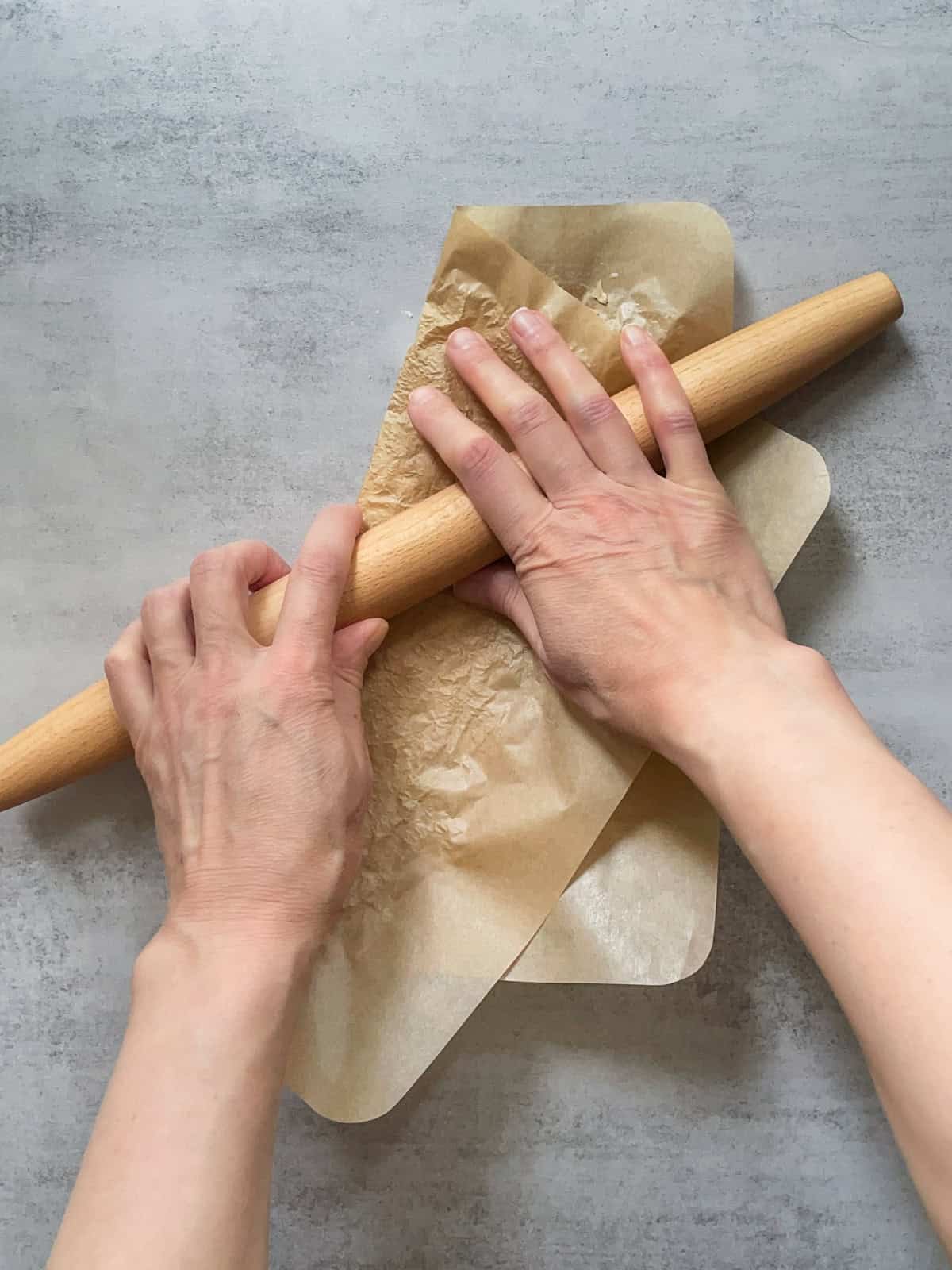
For finer dry starter fragments, crush them with a rolling pin or grind them into a powder in a food processor or coffee/spice grinder.
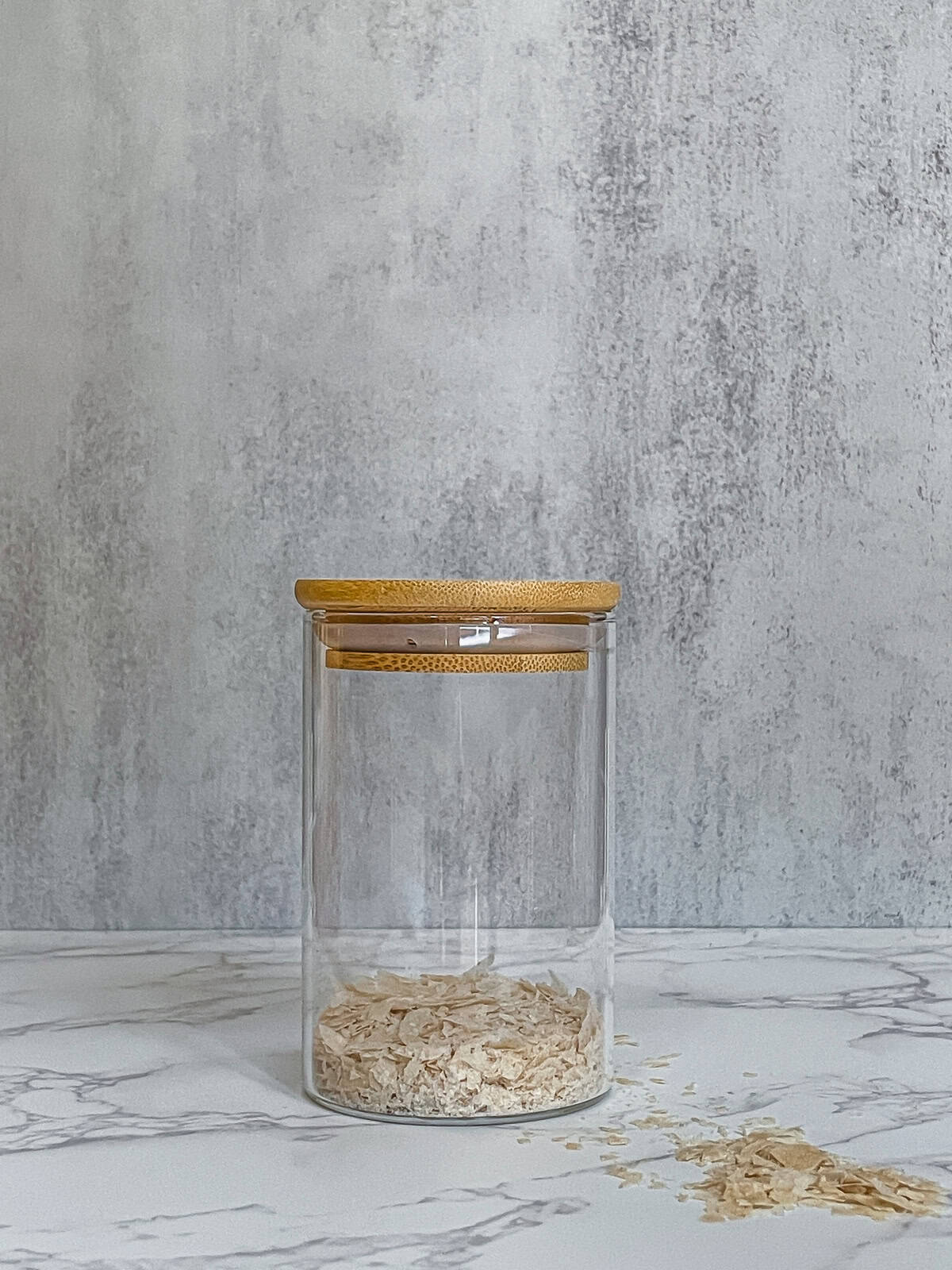
Place dehydrated sourdough starter in an airtight container.
How to dehydrate sourdough starter using a fan
Using a fan helps circulate air evenly over the starter, allowing it to dry faster and more consistently than air-drying alone. This method is simple, requires minimal equipment, and works well in most kitchens, especially in cooler or more humid environments.
Spread your starter in a thin layer on a nonstick surface. Use a low or medium fan setting and position the fan a few feet away from the starter.
Typical drying time is 6-12 hours, depending on temperature, humidity, and starter thickness.
Once dry, break the starter into flakes or grind it into a coarse powder and store it in an airtight container.
Pro tip: Check the starter periodically and break up any thicker sections to facilitate even drying and preserve the yeast.
How to dry sourdough starter with a dehydrator
Using a food dehydrator is one of the most reliable ways to dry sourdough starter evenly and efficiently, especially for drying large batches of starter.
Spread your starter in a thin, even layer on parchment paper or a dehydrator tray liner. Set the dehydrator to a low temperature and allow the starter to dry completely until it becomes brittle and snaps easily.
Typical drying time is 3-12 hours, depending on starter thickness and dehydrator model. For example, using the BigBite Dehydrator at 95°F (35°C), it takes about 3 hours to dry the starter.
Once fully dry, break the starter into flakes or grind it into a coarse powder and store it in an airtight container.
Pro tip: To keep the yeast alive, maintain the dehydrator temperature below 98.6°F (37°C).
How to dry sourdough starter in the oven
Oven drying is convenient if you don't have a dehydrator, but it requires careful temperature control. Spread your starter in a thin layer on a baking sheet lined with parchment paper.
Set your oven to no higher than 120°F (50°C). If your oven doesn't go this low, use the oven light only or crack the door slightly to keep the temperature down.
Typical drying time is 2-4 hours, depending on temperature, airflow, and starter thickness. The starter is fully dry when it becomes brittle and snaps cleanly.
Once completely dry, break the starter into flakes or grind it into a coarse powder. Store it in an airtight container in a cool, dry place.
Pro tip: Avoid temperatures above 130°F (55°C) to protect the yeast. Break up thicker sections as needed for even drying.
How to store dehydrated sourdough starter
Store the dried starter pieces in an airtight container to prevent moisture absorption. The starter must be completely dry before sealing it.
Keep the container in a cool, dry place, away from heat and sunlight. Keep the container in a cool, dry place, away from heat and sunlight. If the room temperature is warmer than 75°F (24°C), move the container to a cooler spot.
Some bakers add moisture-wicking packs from Amazon to their containers to prevent excess moisture in food. You can also store your dried sourdough starter in the freezer for a longer shelf life.
Good storage options include glass jars, vacuum-sealed bags, and airtight plastic containers. Be sure to label the container with the date and type of starter (e.g., wheat or rye).
If you plan to sell the starter, you can use crushed or powdered dry sourdough starter. The starter powder activates faster, takes up less space for easy storage and travel, and looks more attractive when sold.
How long does dehydrated sourdough starter last?
When properly dried and stored, sourdough starter can last for years, making it a reliable backup solution and an ideal sharing option. Some bakers have even reactivated starters decades old.
You can "update" your old starter by drying a new batch yearly to keep it fresh. You do not have to throw away the old batch. You can give it as a gift and replace it with a freshly dried version of your active starter.
Let's talk sourdough
Have you ever dehydrated your sourdough starter? How did it go? Share your tips, successes, or challenges in the comments below. I'd love to hear from you.
Ready to keep learning?
Once your starter is dried, the next step is bringing it back to life. Let's learn how to rehydrate sourdough starter to restore its full activity.
PrintRecipe
How to Dehydrate Sourdough Starter
Dehydrate sourdough starter the easy way. This simple method creates dried starter flakes you can store for months and quickly revive whenever needed. Perfect as a backup, for travel, or to share with fellow bakers.
- Prep Time: 5 minutes
- Total Time: 6 hours
- Yield: 50 g starter 1x
Ingredients
- 50 g active sourdough starter at peak
Instructions
- Prepare a sheet of parchment paper.
- Use a pastry or silicone brush to spread the starter thinly and evenly over parchment paper or a silicone mat. A thin layer dries faster and prevents uneven drying, where the edges are too dry, and the center stays moist.
- Let the starter air-dry naturally. Stir or break up thicker sections periodically to provide even drying and prevent mold or overly damp spots. Check that it feels crisp and no longer sticky before proceeding.
- Once the starter is fully dry, break it into small pieces or shards by hand.
- For finer dry starter fragments, crush them with a rolling pin or grind them into a powder in a food processor or coffee/spice grinder.
- Place dehydrated sourdough starter in an airtight container.
Notes
- Spread the starter thin: Spread it into a very thin layer. The thinner it is, the faster it dries.
- Dry it low and slow: Air-dry at room temperature or use a dehydrator set to below 95°F (35°C). High heat can damage the wild yeast.
- Store airtight: Once completely dry and brittle, crush it into flakes and store in an airtight container in a cool, dry place.
Nutrition
- Serving Size: 50 g
- Calories: 91
- Sugar: 0.1g
- Sodium: 1mg
- Fat: 0.3g
- Saturated Fat: 0g
- Carbohydrates: 19.1g
- Fiber: 0.7g
- Protein: 2.6g
- Cholesterol: 0mg