
If you bake sourdough at home for your family or sell it under Cottage Food laws, you need to know how to store sourdough bread to keep it fresh and tasty.
As soon as the loaf of bread comes out of the oven, the freshness clock starts ticking. This is when bread staling begins. It is a natural process in which the bread begins to lose moisture. It is still totally edible, but not quite as fresh as it was on the day it was baked.
Sourdough bread lasts much longer than bread made with commercial yeast (see my guide on true sourdough bread vs commercial bread). And the more hydrated the dough, the longer it tends to stay soft and chewy.
Is stale bread the same as dry bread?
Not exactly. These two are often confused, but stale and dry bread are different. Stale bread is not just about losing moisture. It is actually about science: starches in the bread turn into crystals over time, making the loaf firm and less pleasant to bite into.
On the other hand, dry bread happens when moisture evaporates, especially from the outside. That is what makes the crust tough and the crumb dry. True sourdough bread, with its natural ingredients and no preservatives, is especially sensitive to these changes.
How long does sourdough bread last?
Fresh sourdough is best during the first 1-2 days. After that, it remains good for 3-5 days, depending on the hydration level and the type of flour used. Rye bread, for example, can stay soft for up to a week.
Fun fact: the weather affects how long bread stays soft. In the summer, your bread will stay softer longer than in the dry, cold winter.
How to cool and slice your loaf
First things first. When your bread is fresh from the oven, place it on a wire rack and let it cool for at least two hours. This helps any excess moisture escape, so your crust stays crisp and the inside doesn't feel gummy.
And when it is time to slice, grab your best bread knife, a sharp, serrated knife. It is gentle on the crust and won't squash your beautiful crumb.
If you are not sure how to cut it perfectly, check out my guide to slicing sourdough bread for some pro tips.
Best ways to store sourdough bread
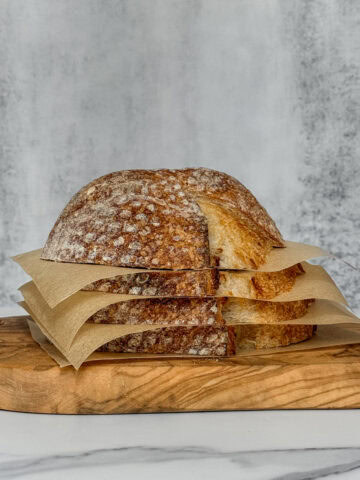
If your home is anything like mine, the bread doesn't last long. You can simply leave your loaf on a cutting board, cut-side down, and loosely cover it with a clean tea towel. This keeps the crumb protected while keeping the crust crisp. It works well for the first day or two after baking.
Buying bread in a brown paper bag will only keep it fresh for 1-2 days. Paper bags allow air to circulate, which helps prevent sogginess but also dries the bread faster. If you are using paper, fold or clip the bag shut to slow down moisture loss.
If you want to store your sourdough longer, try one of the following options.
- Reusable beeswax wraps: Great for keeping bread fresh for a few days. (This bee's wrap is very popular for keeping bread fresh.)
- Reusable cotton beeswax bags: These can keep your loaf fresh for up to a week. They are even freezer-safe. Just know the crust may soften a little. (I recommend these beeswax bags for easy storage and longer freshness.)
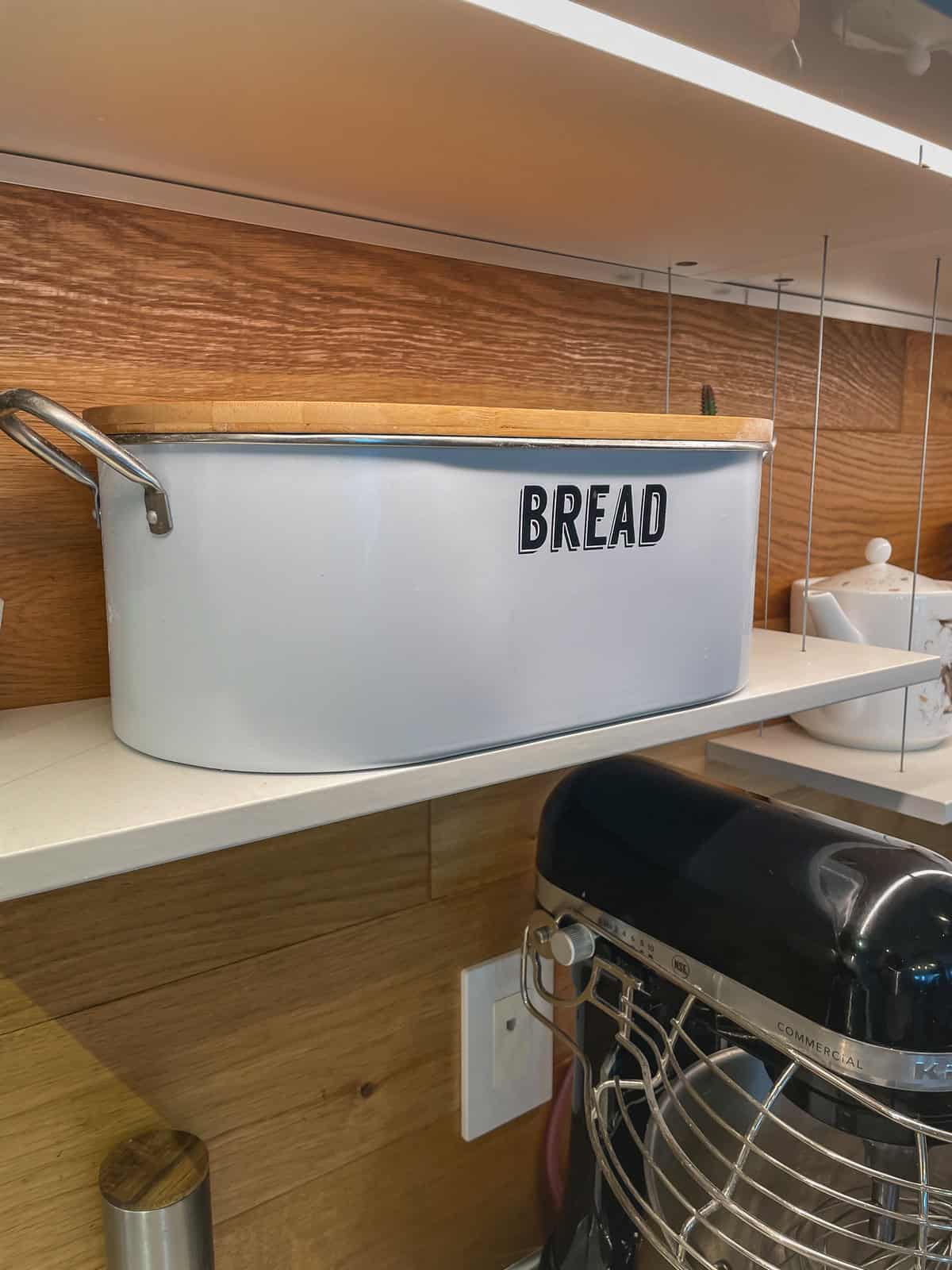
- Bread boxes: These keep moisture in while allowing enough air to prevent staleness. Both wooden and stainless steel options work well, although they are not ideal for humid kitchens. (I like this white bread box, simple, stylish, and does the job.)
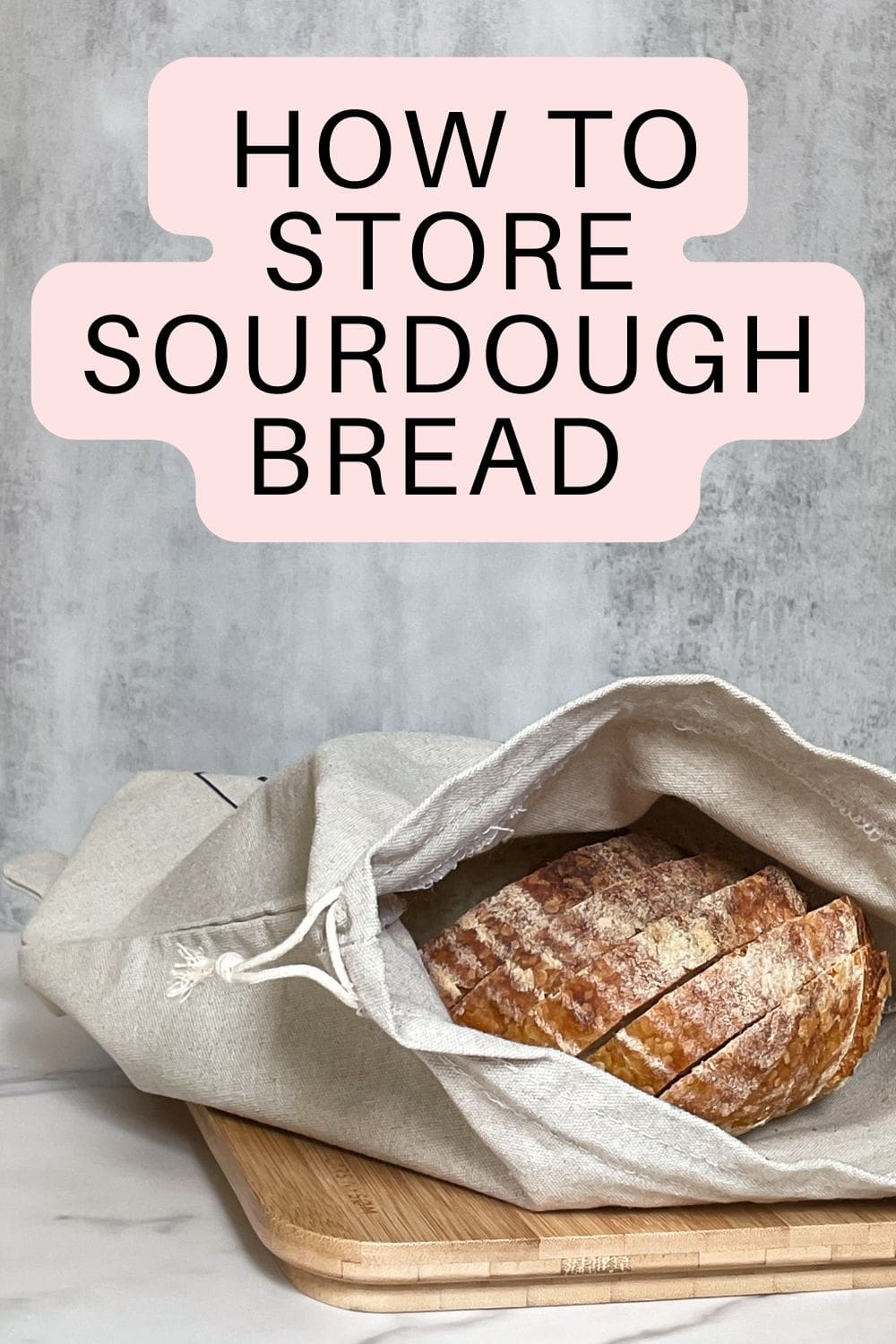
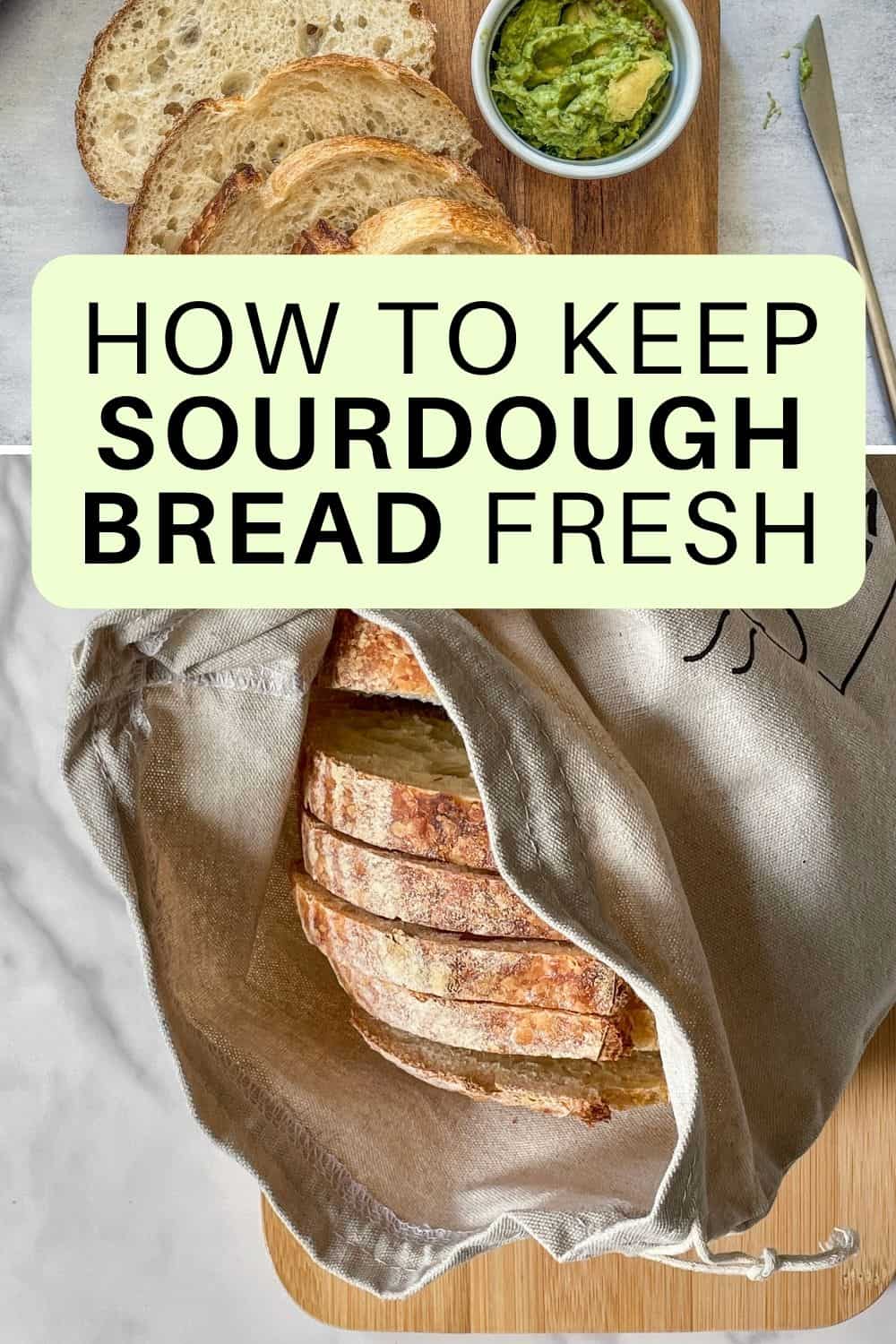
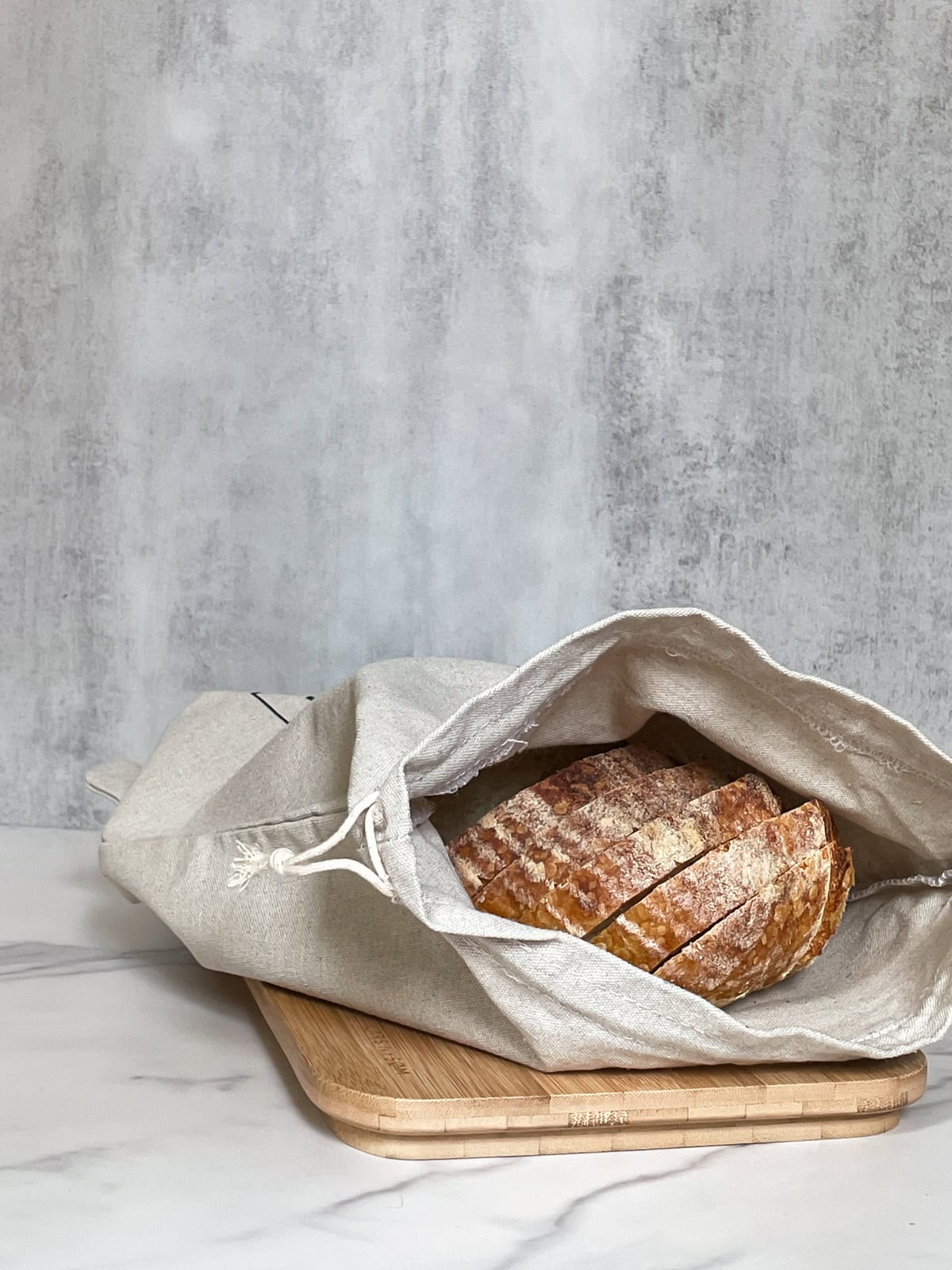
- Linen bread bags: Perfect for crusty artisan loaves. They help keep the crust crisp and the inside moist. But they're not the best choice for soft sandwiches or sweet breads. (Check out these linen bread bags for great quality and durability.)
How to freeze sourdough bread
Do you need to save a loaf for later? Just freeze it!
Once your bread is fully cooled, wrap it in plastic wrap (either whole or sliced), then pop it into an airtight freezer bag. Squeeze out as much air as you can before sealing and labeling.
Frozen bread keeps its flavor for a couple of months or even longer, but I think it is best within 1-2 months. If you are freezing slices, use them within two weeks. When you are ready to eat, thaw the bread, then toast or reheat it in the oven.
For full step-by-step instructions, check out my guide to freezing sourdough bread.
How to refresh sourdough bread
- Whole loaf: Let it thaw on the counter or in the fridge. Lightly mist the crust with water, wrap it in foil, and bake at 350°F (176°C) for 15-20 minutes. Then unwrap and bake for another 4-5 minutes to crisp it up.
- Individual slices: Frozen slices go straight into the toaster. Just give them a little extra time.
How not to store sourdough bread
Don't store sourdough in the fridge. Even though it keeps other foods fresh, it actually dries out your bread faster, making it stale.
And what about plastic bags? They are not your sourdough's friend either. They trap moisture, which softens the crust and promotes mold growth. If plastic is your only option, leave the bag slightly open for airflow.
Let's talk sourdough
How do you keep sourdough bread fresh? Have you tried any of these tips, or do you have a go-to method that works wonders? Share in the comments.
Ready to keep learning?
Cutting your sourdough bread properly makes all the difference. Discover the best bread knife (and my personal favorite).