
Sourdough scoring and slashing seem similar when baking sourdough bread, but they serve different purposes. Discover the differences and learn when to use each technique to improve your baking results.
I have gathered a variety of scoring and slashing techniques from fellow bakers and shared them below.
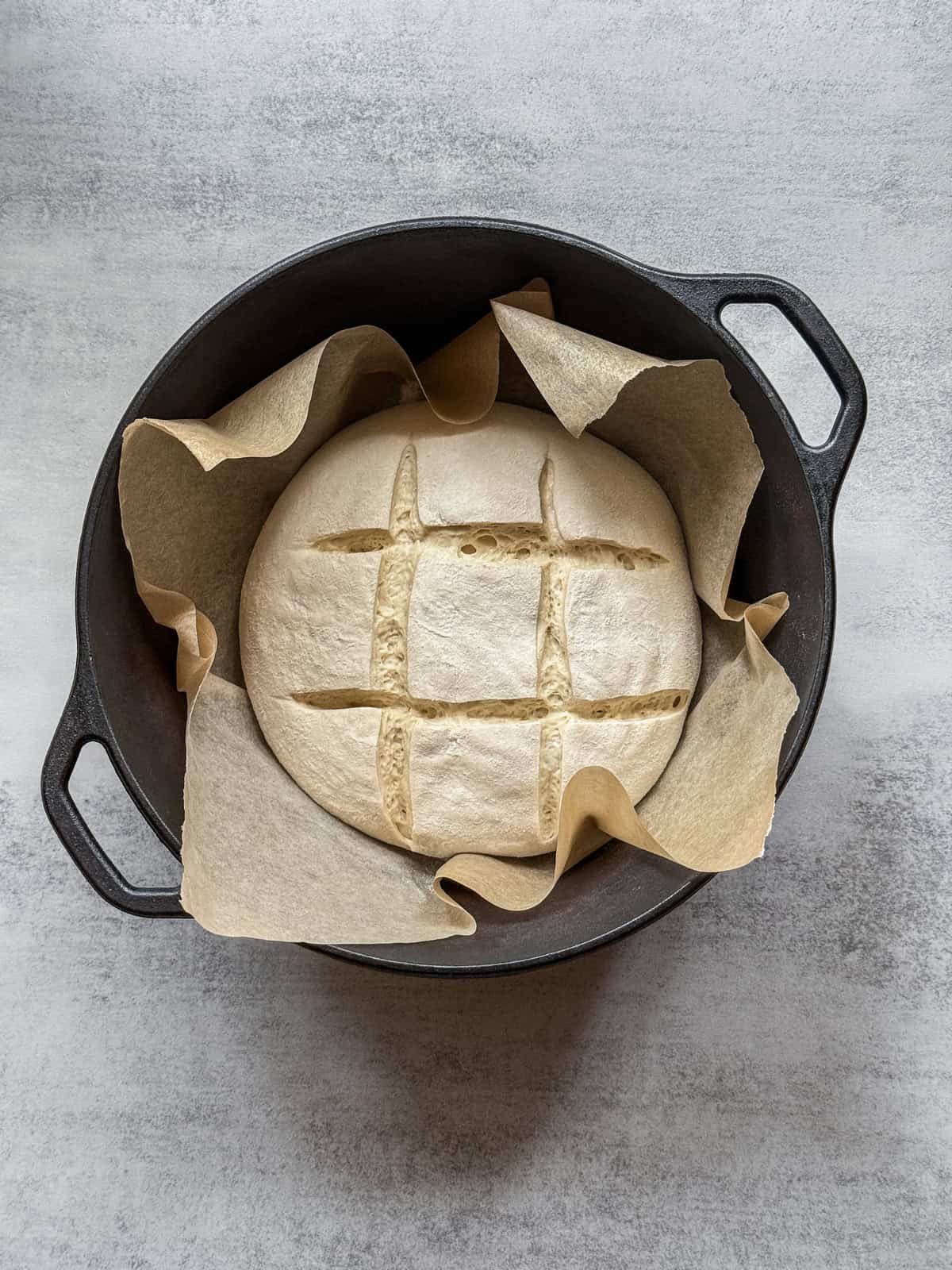
Sourdough scoring vs. slashing
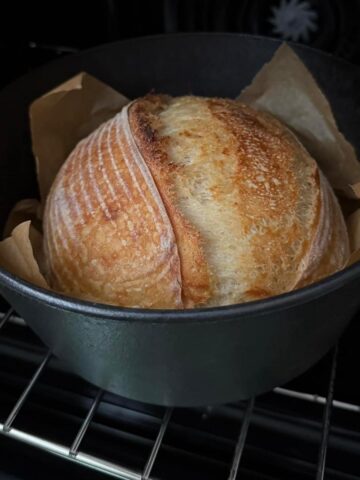
Sourdough scoring involves making shallow (surface-level) cuts on the dough at different angles, often in creative patterns. Scoring not only helps the bread expand in a controlled way but also adds a beautiful design to the crust.
To score sourdough bread, you can use more than just a razor blade or bread lame. You can also get creative with small scissors, sewing thread, or string for more intricate designs.
Sourdough slashing, on the other hand, means making deep cuts into the bread dough before baking. You use a sharp razor blade or a bread lame, typically making the cuts at a 90-degree angle.
The purpose of slashing is to help the bread open and expand during baking, creating a great oven spring and preventing unexpected bursts at weak spots.
Let's dive into the details and look at the most popular slashing and scoring techniques.
Why score bread dough?
Scoring the bread dough helps control how the bread expands while it bakes. It also lets you add an artistic touch to the loaf, turning it into something visually impressive.
Sourdough scoring techniques
Here are some popular sourdough-scoring techniques:
- The ear: A single, angled slash at 45° designed to create a beautiful sourdough ear or raised flap of crust (take a look at how @padocadoalex does it).
- Leaf pattern: Multiple curved cuts that look like leaves or feathers, adding elegance (try this method from @bread_spiration).
- Wheat stalk: A series of small, angled cuts that look like a stalk of wheat (@vilda_surdegen and @danlarn show this technique perfectly).
- Flower or animal designs: Cuts arranged to resemble petals, floral motifs, or animal shapes, creating decorative and artistic loaves (get inspired by @brotundsauerteig).
- Custom art: Personalized designs, such as initials, shapes, or thematic patterns for special occasions (check out sourdough art by @breadleaves, @cananinmutfagindan_, @bread_spiration, and @sourdough_love_art).
Why slash bread dough?
Slashing the bread dough creates weak spots on the surface that help prevent the loaf from bursting during baking. This also allows the loaf to rise evenly, creating that famous sourdough ear every baker is starving for. This technique is perfect for high-hydration dough.
Sourdough slashing techniques
Here are some popular sourdough-slashing techniques:
- Straight slash: A single, straight cut down the length of the loaf performed in the middle line that creates a double ear (try this slash technique from @nick_bennett_sourdough).
- The double slash: Two straight or oblique slashes along the loaf's length (see this technique from @vilda_surdegen).
- S curve: A single wavy, snake-like cut across the loaf for a unique and modern look (check out how @beesham_the_baker does the S-curve slash on pan loaves, and see how the baked bread looks with this slash from @stationhousebakery).
- Cross or X: Two cuts that cross each other, forming an "X," perfect for round loaves (take a look at how @sourdoughsparrow does it).
- Lattice or criss-cross: A bold grid-like pattern of slashes for a striking appearance (get inspired by @bread_spiration).
- Box or square: A pattern of cuts forming a square or box pattern for controlled expansion (check out a square pattern by @stretchfold and a triangle pattern by @josephbrot).
- Swirl: A continuous spiral slash that makes your loaf stand out with a unique design (see this technique demonstrated by @the_bread_story).
- French style: A series of slightly overlapping, shallow cuts about 20-30° to the dough's surface along its length, often used for baguettes (learn this technique from @miller_baker).
Also, check out the three main slashing techniques from @simpelsurdej to see them in action.
Let's talk sourdough
What's your signature scoring or slashing style? Do you prefer a simple slash, or do you like to get more creative and intricate?
Ready to keep learning?
Now that you understand the basics of slashing and scoring, it is time to learn more advanced techniques, such as double scoring.