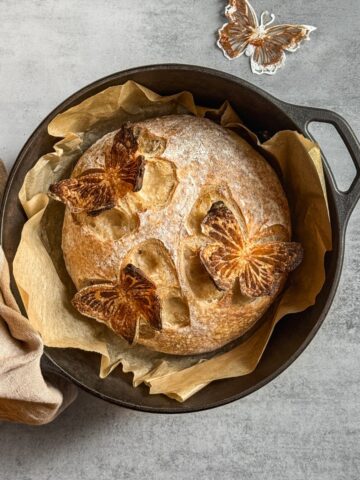

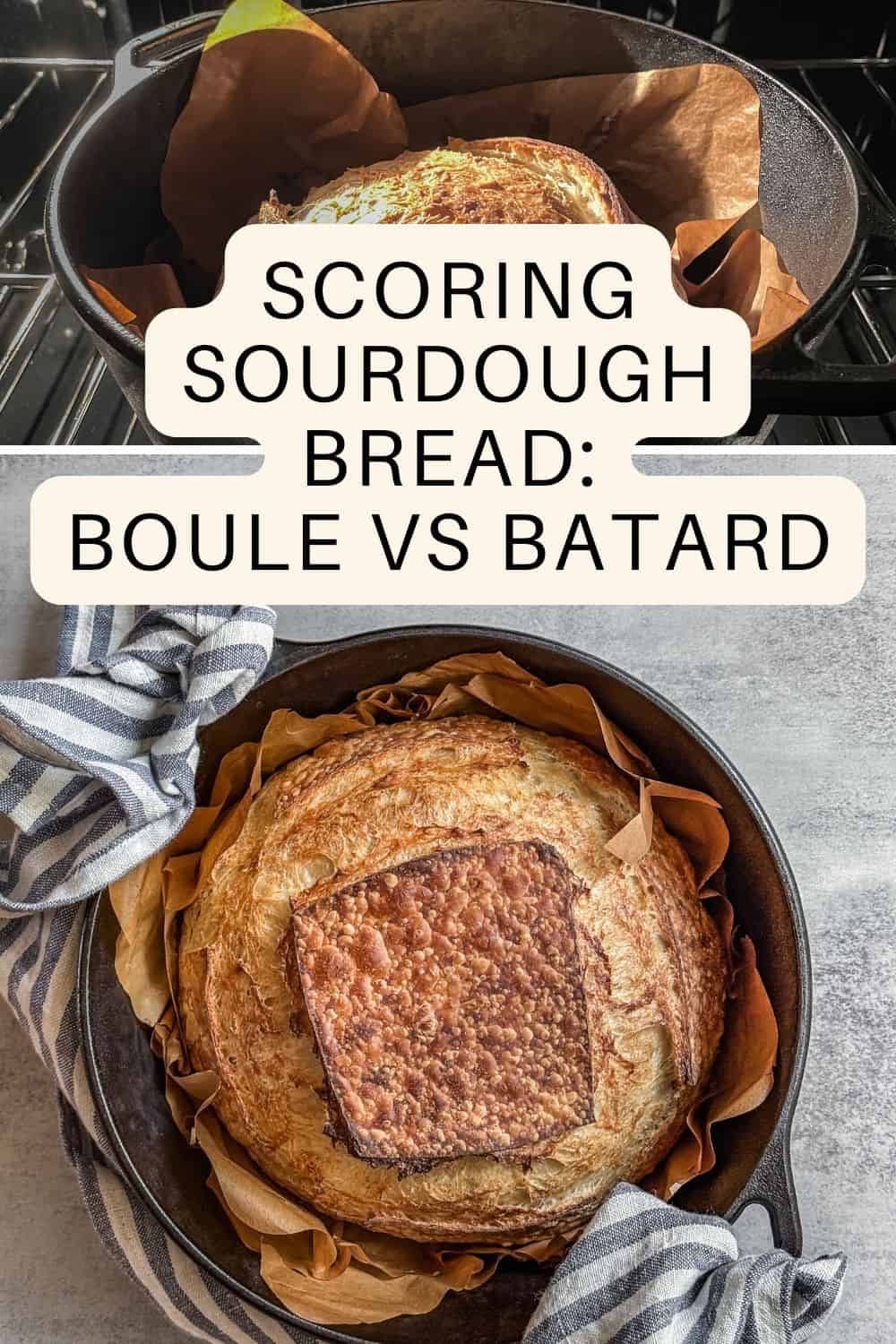
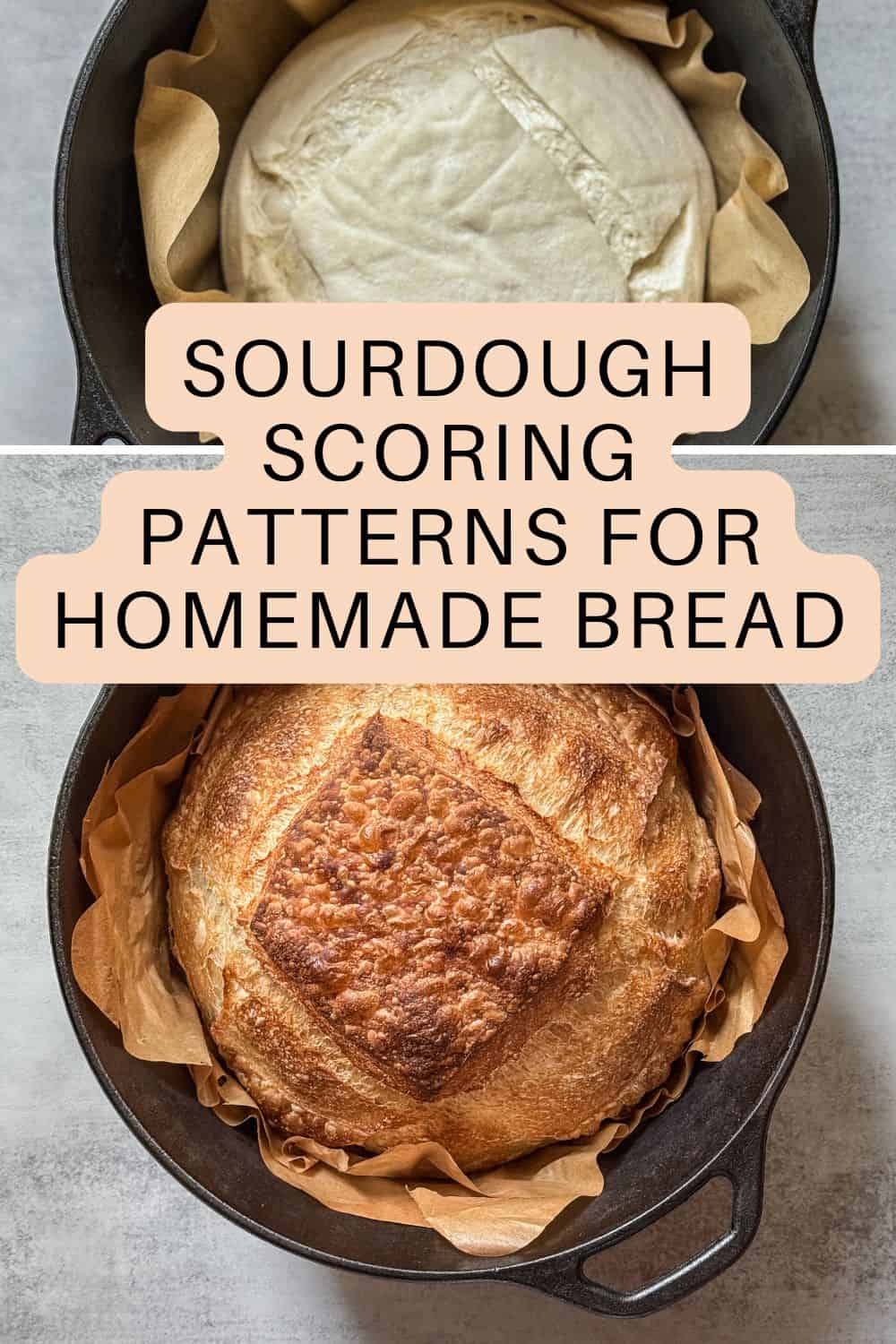
Scoring sourdough bread may seem boring from a scientific perspective, but it plays an important role in how your loaf turns out. Proper sourdough scoring controls oven spring, guides expansion, and prevents the bread from bursting in random places during baking.
The process of sourdough scoring is all about understanding the science of how the dough expands during baking.
Let's discover how the physics of dough tension, elasticity, and heat influence your choice of scoring patterns.
Dough tension and why it is important
When you shape bread dough into a loaf, you create surface tension, like a stretched membrane holding the dough together. When scoring, you cut into this membrane, intentionally creating weaker spots so the dough can expand in the oven.
- Boules (round loaves): Tension spreads evenly across the surface, so scoring should be symmetrical.
- Batards (oval loaves): Tension is stronger along the long axis. Scoring should guide the dough to expand lengthwise, preserving the oval shape.
Oven spring and the science behind expansion
When bread goes into a hot oven, the heat causes the water inside the dough to turn into steam. During open baking, we additionally introduce steam to improve this process (see my guide to baking sourdough without a Dutch oven).
This makes the bread expand quickly, a process called oven spring. At the same time, wild yeast produces its final bit of carbon dioxide gas before it breaks from the heat.
If you don't score the dough, all this pressure will escape through the weakest areas, often creating messy tears. Scoring gives the pressure an easy escape route, guiding the bread to expand in beautiful, controlled ways.
Dough hydration and scoring depth
The sourdough hydration levels interact with scoring depth. The dough at 75-80% hydration has more "spring," so deeper cuts are needed to guide its expansion.
The higher the dough hydration, the shallower the scores need to be. Dough with hydration levels above 85% is typically too soft to score effectively (see my guide on high vs low sourdough hydration).
For boules, deeper cuts are generally better to prevent unexpected bursting at the base. Batards benefit from slightly shallower yet precise lines to complement their elongated form.
Heat, crust formation, and pattern visibility
The heat from the oven causes a Maillard reaction and caramelization on the bread's surface, forming the crust.
The crust is thinner where you score the dough because the heat penetrates those cuts more easily. This is why scored patterns stand out: they bake differently than the rest of the loaf.
Scoring patterns by loaf shape
Boule scoring
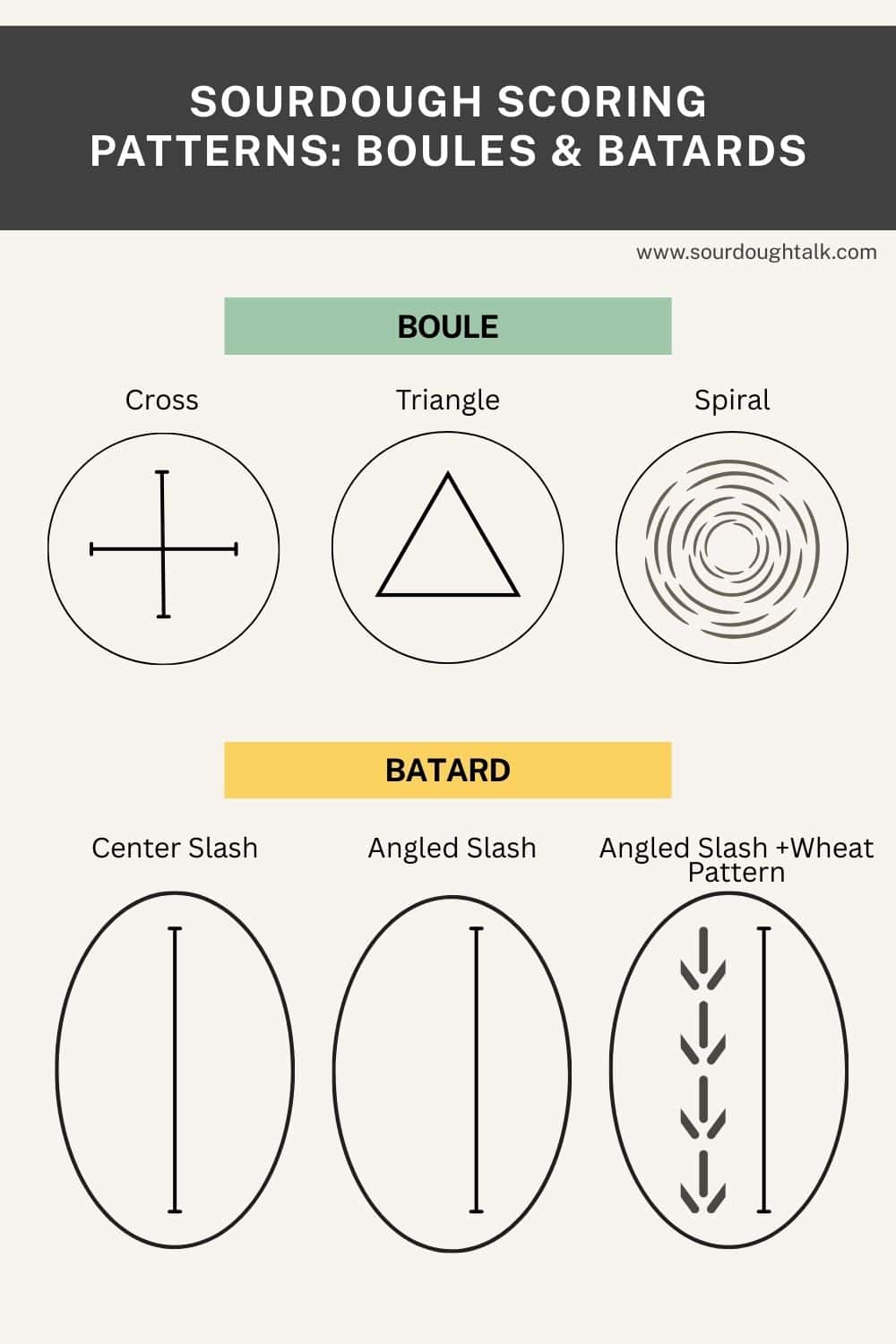
Since a boule is round, expansion tends to be radial and uniform. This shape benefits from symmetrically spaced scores that complement the even surface tension. Common options include:
- Single deep cross ("X" pattern): Creates symmetrical openings, allowing for steam expansion in all quadrants (take a look at how @sourdoughsparrow does it).
- Triangle-scoring pattern: Three intersecting cuts form a triangle, guiding controlled expansion while adding a geometric design to the crust (check out a triangle pattern by @josephbrot).
- Square-scoring pattern: Four straight cuts form a square or diamond shape, stimulating even expansion while creating a bold, structured design on the crust (check out a square pattern by @stretchfold).
- Radiating curved slashes: Mimic flower petals add artistry and expand evenly around the dome (watch the scoring by @joyosity).
These symmetrical patterns control energy release, maintaining the loaf's roundness and balance.
Batard scoring
A batard's oval shape causes uneven surface tension, higher along its length and lower at its narrow ends. This means it typically expands more lengthwise than widthwise. So, scoring should improve this natural tendency.
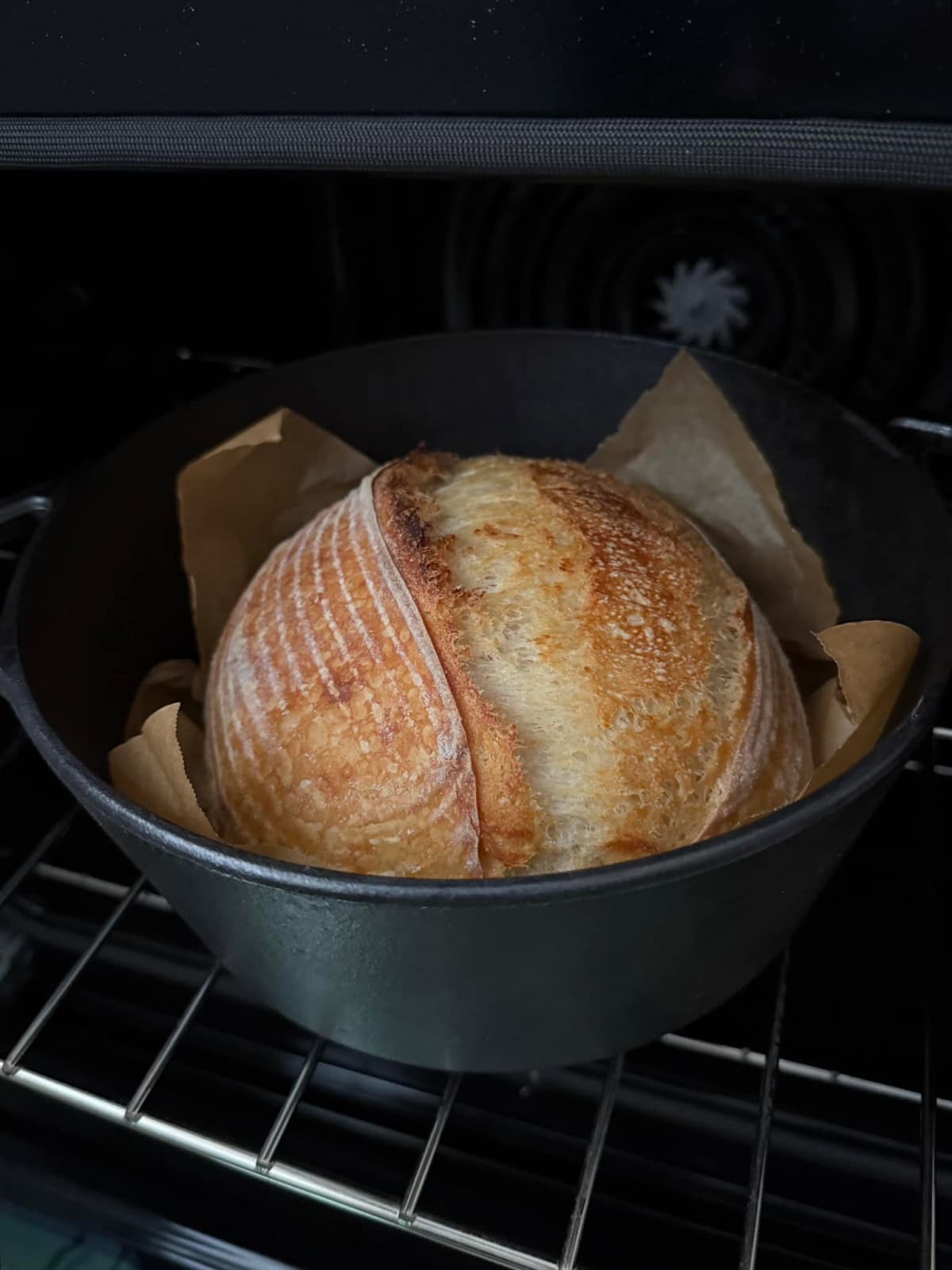
- Central, lengthwise slash: Promotes the loaf to stretch along its long axis, preserving the oval shape and creating a classic sourdough ear (try this slash technique from @nick_bennett_sourdough).
- Angled cut (rather than straight down): A slight blade angle changes crust overlap during baking, producing a pronounced ear. This occurs due to the angle of heat transfer and crust elasticity (watch the reel from @howtomakesourdough).
- Decorative diagonal cuts: Small side cuts (like a ladder or wheat stalk) create a ladder effect without compromising the main expansion (learn this technique from @miller_baker).
Sourdough scoring tips
- Chill your dough: Cold dough holds its shape better. If proofed at room temperature, freeze for 20-30 minutes before scoring. This works well for overnight-proofed dough and intricate designs.
- Use a sharp blade: A bread lame or razor makes clean cuts.
- Angle your blade at 45-90° for ears, and adjust it based on decorative patterns.
- Move quickly: Steam escapes if the oven stays open too long.
- Practice: Don't worry if your first attempts aren't perfect. Mastery comes with practice.
Let's talk sourdough
Which scoring patterns do you usually use, simple or decorative, and how do they affect your loaf's shape and ear?