
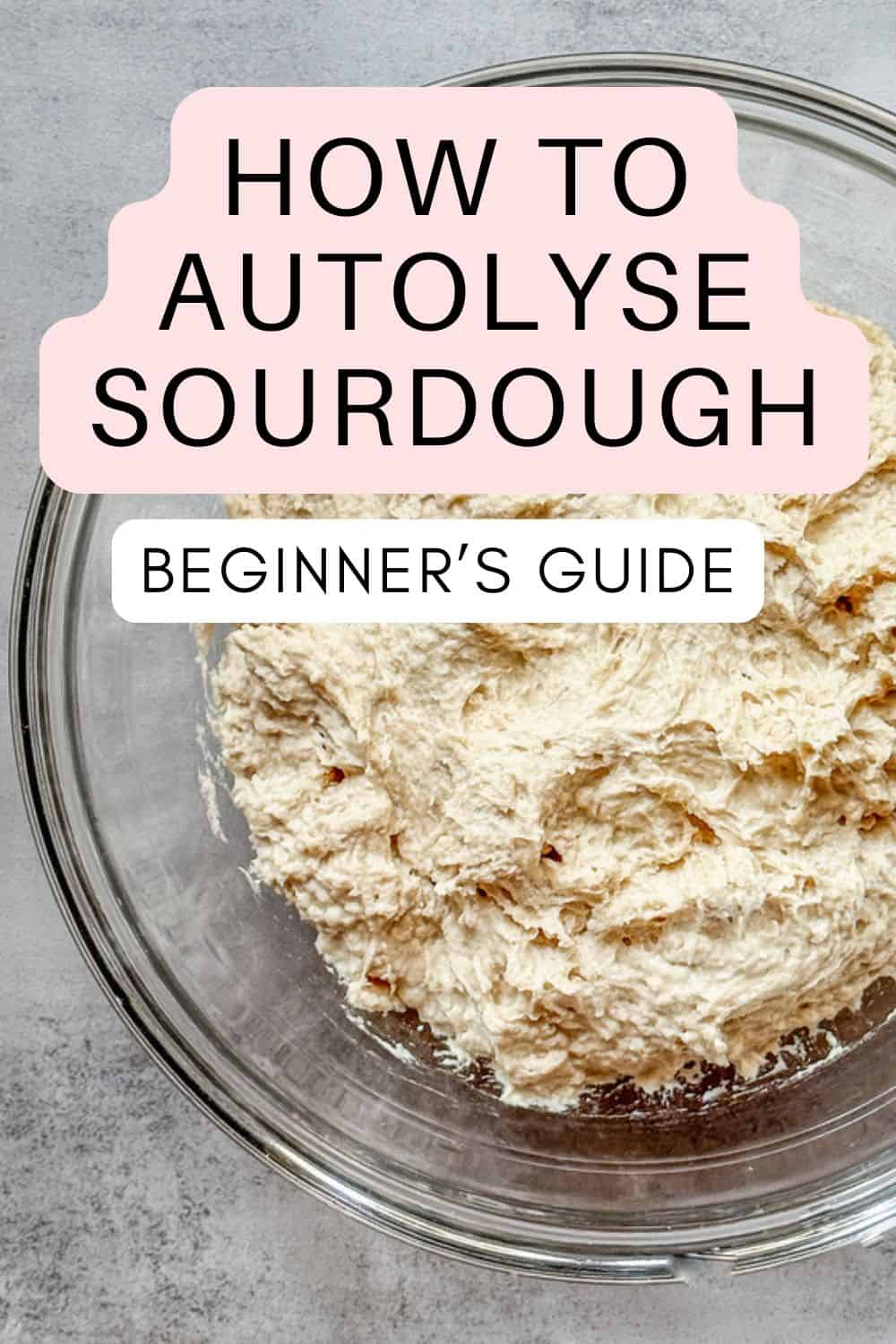
Quick Summary: Autolyse is a bread-making step where you mix just the flour and water and let them rest, usually 30 minutes to a few hours, before adding your sourdough starter and salt.
This rest lets the flour fully hydrate and starts gluten development on its own, giving you a smoother, more extensible dough that is easier to work with and requires less mixing. It is optional, but especially helpful with high-protein bread flour and whole wheat.
What is autolyse?
Autolyse (pronounced "aw-toh-leez") is a bread-making technique developed by French professor Raymond Calvel in 1974. The word means "self-hydrating," which hints at what happens: you mix only flour and water and let the dough rest before adding the starter and salt.
This rest helps the flour absorb water, kick-starts gluten development, and gives you a pliable dough that is easier to work with.
Autolyse is sometimes confused with fermentolyse and saltolyse, which rest the dough with different ingredients. See autolyse vs. fermentolyse vs. saltolyse for how the three compare.
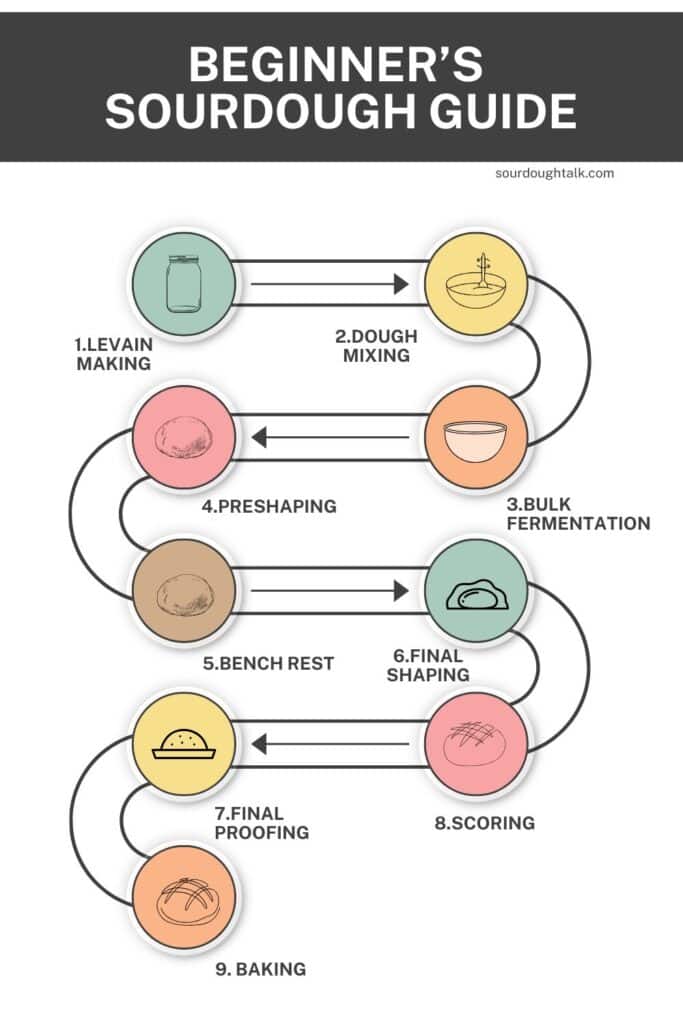
Your Beginner's Guide to Sourdough
This post is part of a series that walks you through every step, from feeding your starter to pulling the loaf from the oven.
Why does autolyse work?
Autolyse works by improving your dough's extensibility, its ability to stretch without tearing. To understand why that matters, it helps to know two forces at play in every dough:
- Elasticity is the dough's tendency to spring back to its original shape, like a rubber band snapping back after you stretch it. This gives the dough structure and helps it hold its shape.
- Extensibility is the dough's ability to stretch out without breaking, how far you can pull that rubber band before it snaps.
Good bread dough needs both elasticity to hold its shape and extensibility to stretch as fermentation fills it with gas.
During an autolyse, the flour fully hydrates, and naturally occurring enzymes begin loosening some of the protein bonds. This makes the dough more extensible while preserving its strength.
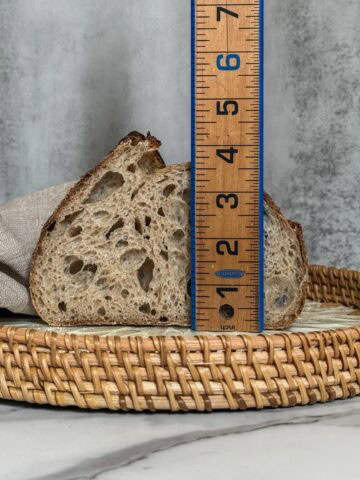
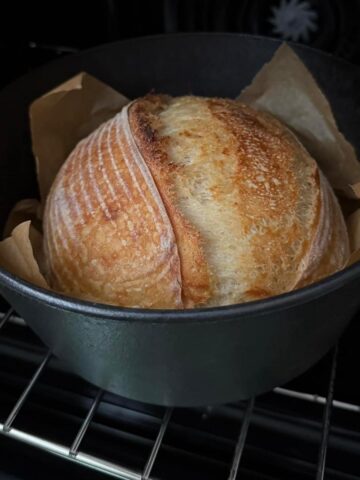
The result is a smoother, stretchier dough that is easier to handle, shapes more easily, and expands better in the oven without requiring intensive mixing.
How to autolyse sourdough
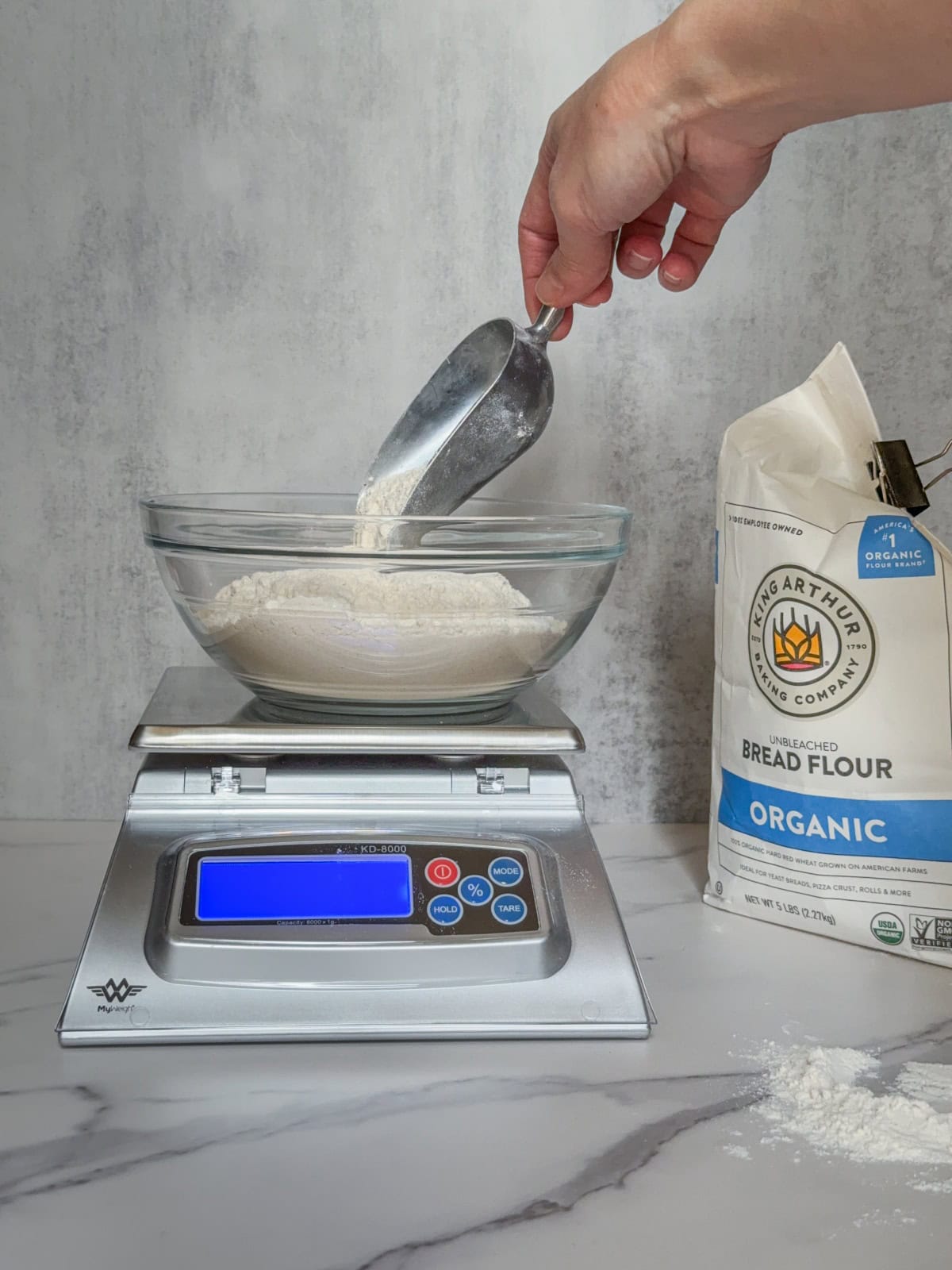
Step 1: Weigh your flour and water with a kitchen scale.
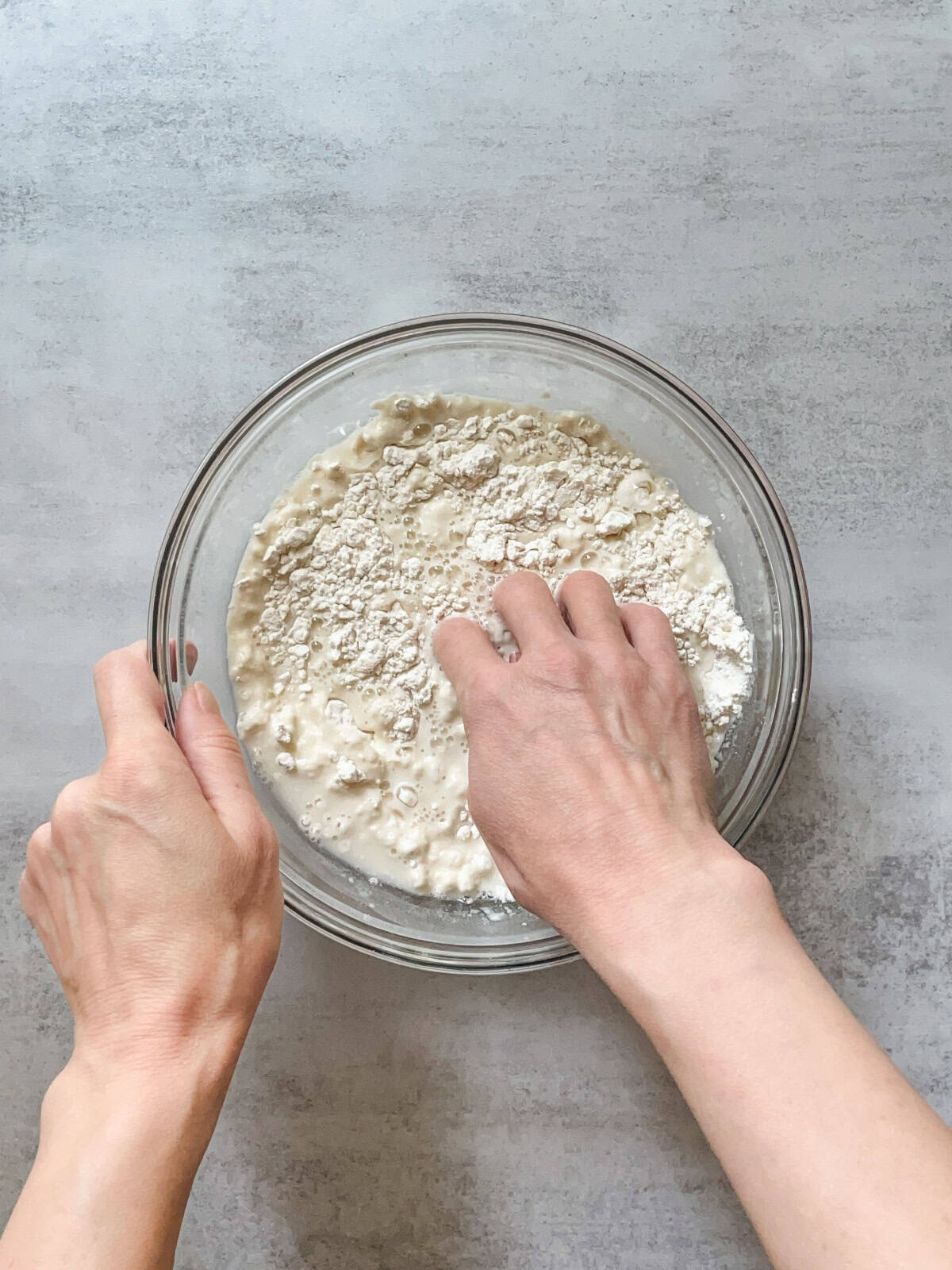
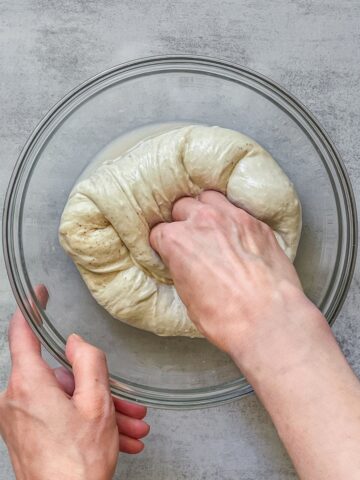
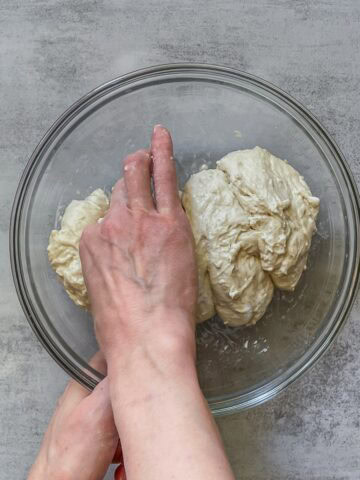
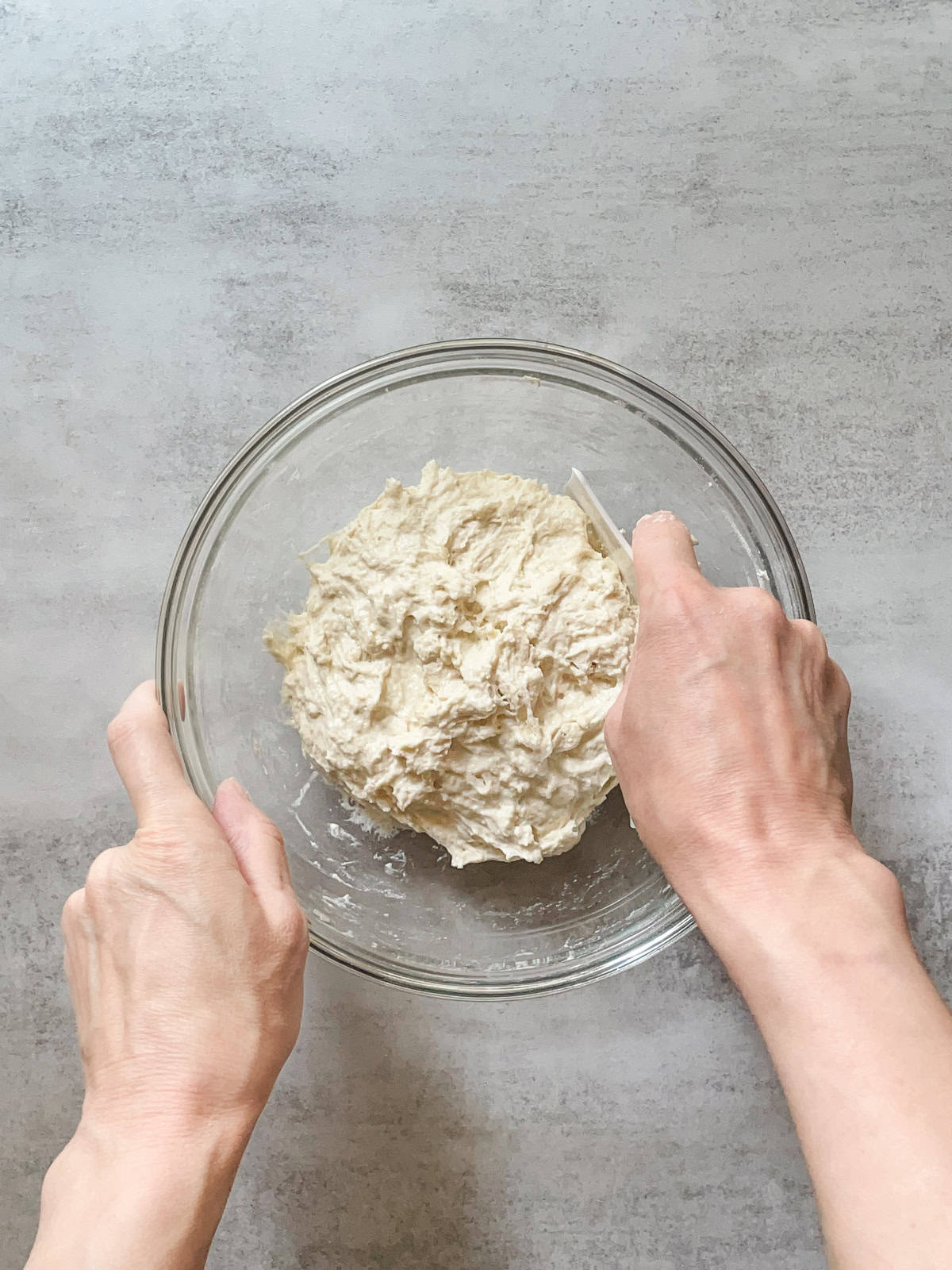
Step 2: Place the flour and water in a bowl and mix with your hand or a dough whisk until no dry flour remains and the dough is shaggy.
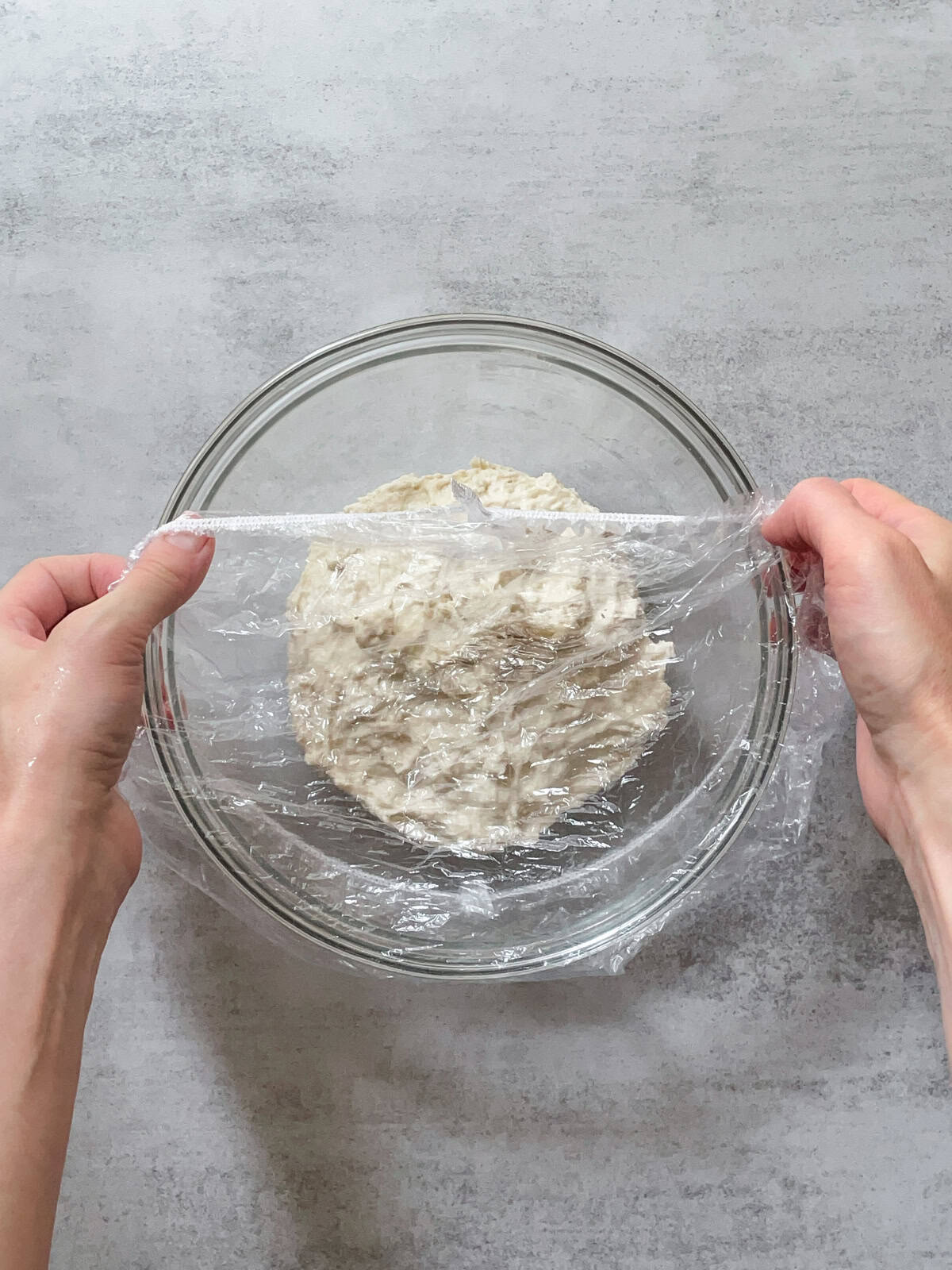
Step 3: Cover the bowl with plastic wrap or a plastic cap.
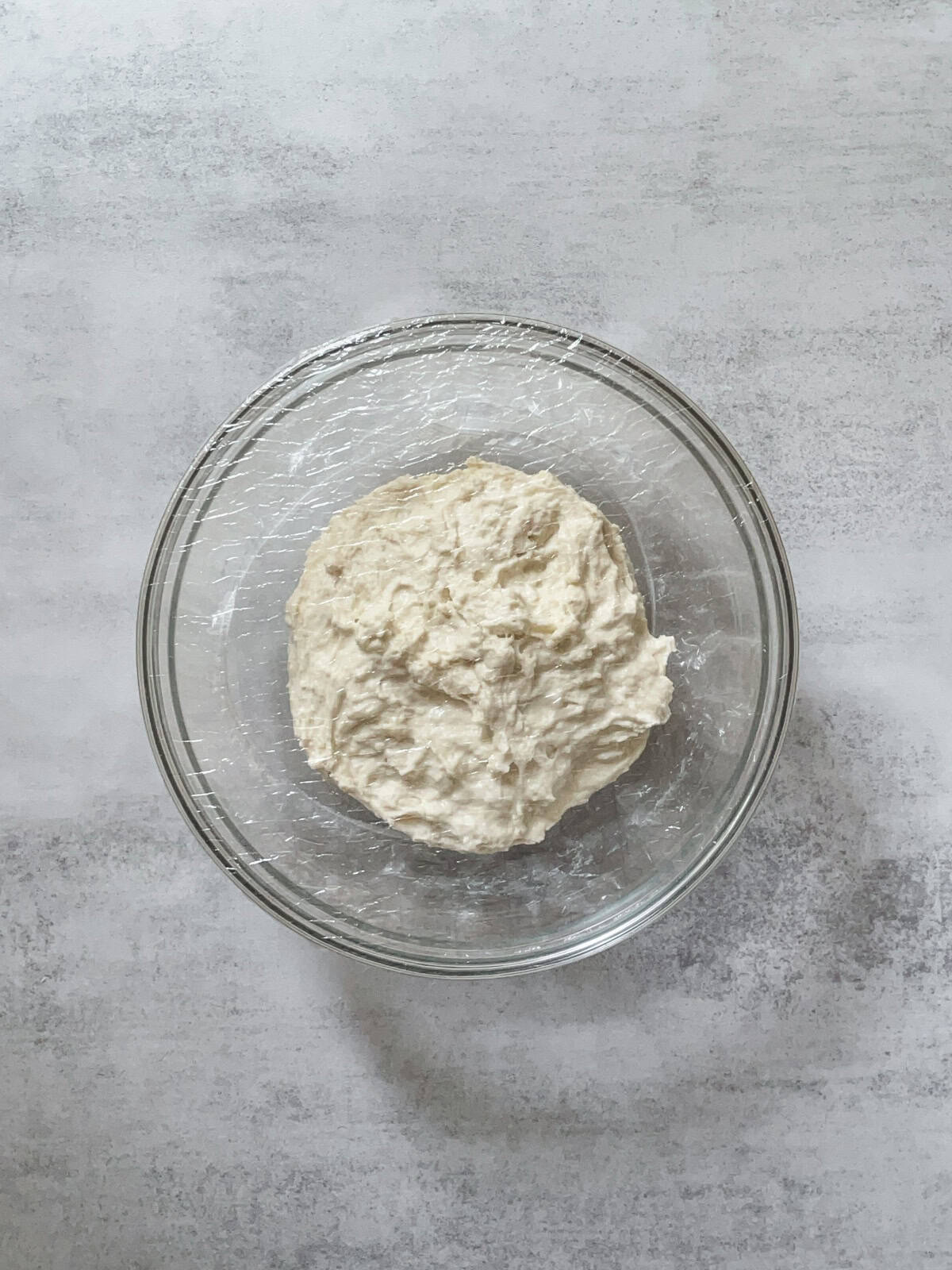
Step 4: Let the flour and water mixure rest (see times below).
When should you autolyse (and when should you skip it)?
Autolyse is a tool, not a rule. It helps with some doughs and can actually work against you with others. Here is how to tell.
Autolyse when:
- Your dough uses a high percentage of high-protein bread flour. These doughs tend to be tight and elastic, and an autolyse makes them more extensible and easier to shape.
- You are working with a lot of whole wheat flour. The rest softens the bran and helps the dough come together with less mixing.
- You want more extensibility, a dough that stretches without tearing.
- You are mixing by hand and want to cut down on the work.
Skip the autolyse when:
- You are using freshly milled flour. Freshly milled flour is very enzyme-active, and a long autolyse can over-soften the dough, leaving it slack, sticky, and hard to handle.
- You are using a very extensible flour like spelt. These doughs are already loose and stretchy, so an autolyse can make them too slack.
- Your flour has a low falling number (high enzyme activity), which can turn a long autolyse into a weak, gummy dough.
- Adding the step complicates your schedule more than it helps. If it is a hassle and your dough doesn't need it, skip it.
How to decide? If your dough tends to come out tight and hard to stretch, an autolyse will likely help. If it is already soft, slack, and extensible, you probably don't need one, and it may even hurt.
How long should you autolyse bread dough?
Most autolyse rests last 30 minutes to 3 hours, while an overnight autolyse can last up to 12 hours. For white bread flour, aim for 30 minutes to 3 hours; for whole wheat, 1 to 4 hours or more. Keep it on the counter under 3 hours, or refrigerate for longer or overnight rests.
What is overnight autolyse?
While some bakers skip the autolyze, others push it overnight, like Trevor Wilson (@trevorjaywilson) and Sergey Sulla (@sergey__sulla).
An overnight autolyse, which can last up to 12 hours, makes the dough even more extensible (stretchier) and easier to handle.
To do this, keep the dough refrigerated. However, this method might slow down the fermentation process later, so it does not necessarily save time overall.
How can you tell when autolyse is done?
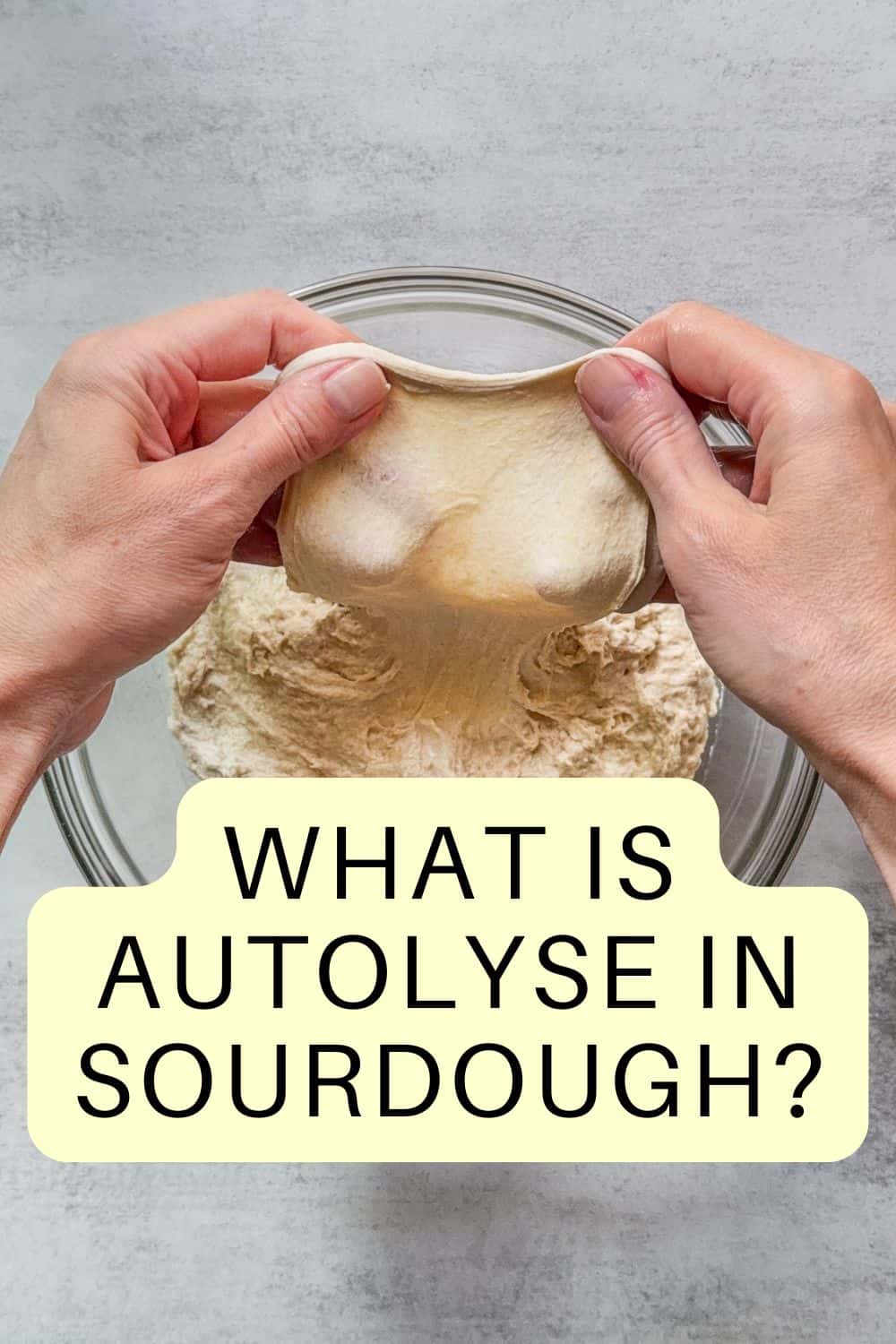
You will know the autolyse worked when the dough looks smoother than when you started. It should also pass the windowpane test. This means you can gently stretch a piece of dough until it becomes thin enough for light to pass through it without tearing.
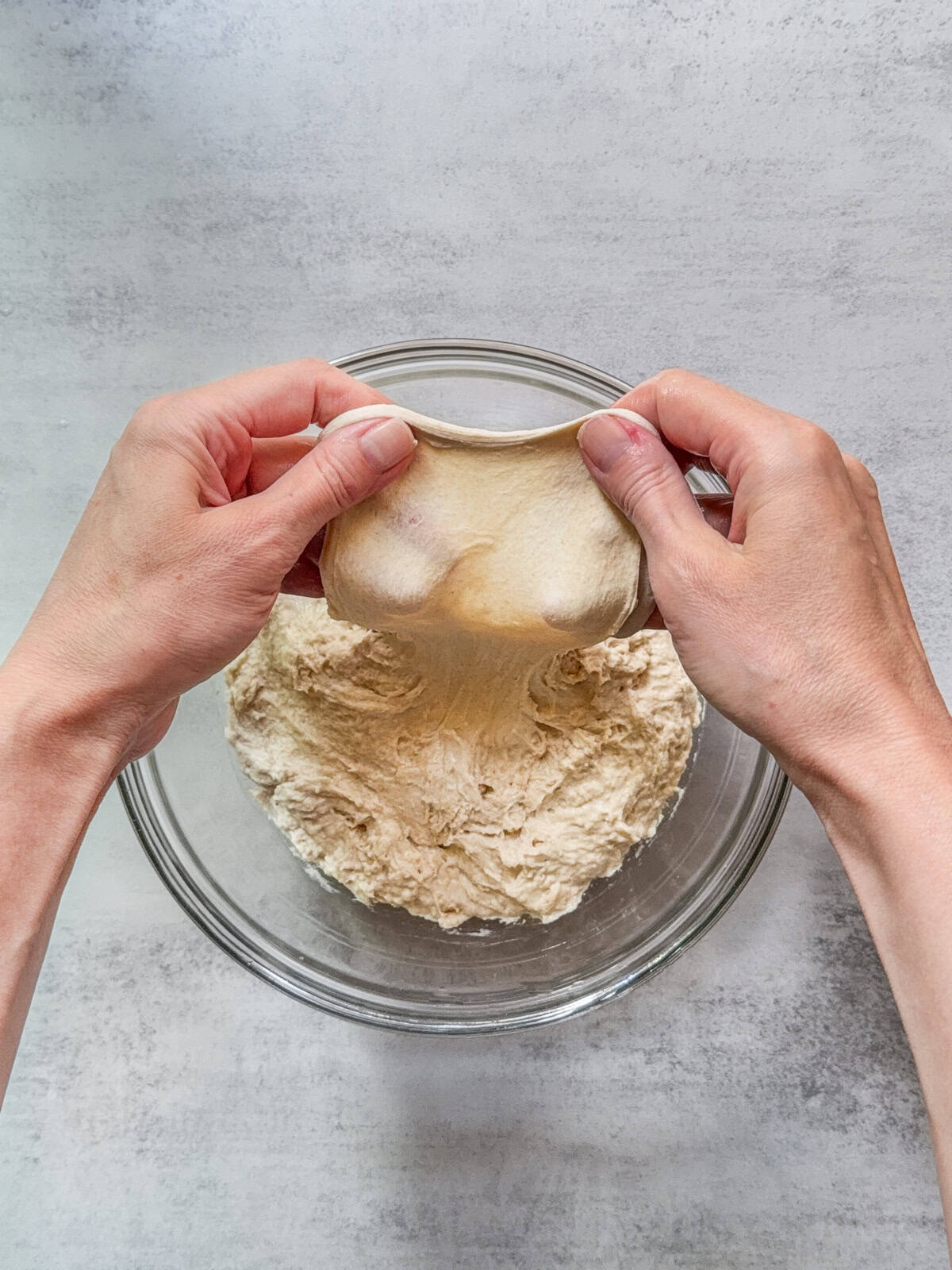
Why autolyse is important
During autolyse, an enzyme in the flour called protease breaks down some of the gluten-forming proteins (glutenin and gliadin). This makes the dough more extensible, meaning it stretches easily without tearing.
Without kneading, water activates proteins in the flour, which begin to form gluten bonds on their own. This reduces the mixing time, whether you are hand-mixing or using a spiral mixer.
Autolyse not only saves time and effort but also preserves more of the bread's flavor, crust, and crumb color by minimizing oxidation during mixing.
Finally, autolyse elevates your bread from good to excellent. While some aim for a decent loaf, others seek the perfect one.
How to fit autolyse into your baking routine
Adding autolyse to your sourdough baking schedule is like giving your bread a little extra care. While it takes a bit more time, the results are often worth it. However, if you are in a rush, you can skip this step and still bake a good loaf of bread.
The great thing about baking sourdough is that you can experiment. Autolyse is just one of many techniques, along with fermentolyse and saltolyse, that you can try. As you bake more, you will figure out what works best for you and your schedule.
When to autolyse bread dough and when to skip it
Autolyse is especially helpful when working with high-protein bread flour (12.7-14% protein). It makes your dough more relaxed and easier to handle.
Working with whole wheat flour, autolyse makes the dough softer and reduces the mixing time. This gives the dough a better chance at developing strength without overworking it.
However, you may want to skip the autolyse when using freshly milled flour (it performs best when all ingredients are mixed at once). In this case, excessive enzyme activity makes the dough sticky and weak. The same goes for dough made with spelt flour, which is already soft and stretchy.
Autolyse is just the first step in building great sourdough. Want to see how it fits into the whole process, from starter to finished loaf?
FAQ
Do you add salt or starter during autolyse? No. Autolyse is only flour and water. The salt and sourdough starter go in afterward. (Adding the starter from the start is fermentolyse; adding salt early is saltolyse.)
Is autolyse the same as fermentolyse? No. In autolyse, you rest just flour and water. In fermentolyse, the levain is mixed in from the start, so fermentation begins right away.
Can you autolyse too long? Yes. An overly long autolyse, especially with whole-grain or freshly milled flour, lets enzymes break down too much gluten, leaving the dough slack and sticky. Keep long rests cool, and keep shorter ones for whole grains.
Is autolyse necessary for sourdough? No. It is an optional quality step. You can skip it and still bake a good loaf, but it makes the dough smoother and easier to handle, especially with high-protein flour.
Does autolyse count as part of bulk fermentation? No. Autolyse is just flour and water resting, no fermentation. Bulk fermentation begins only once you add the sourdough starter.
Do you include the levain (starter) in an autolyse? No. A true autolyse contains only flour and water. The levain and salt are added after the dough has rested. The main exception is a low-hydration dough made with a liquid starter, where adding the levain during the autolyse may provide enough extra moisture to hydrate the flour properly. Otherwise, keep the levain out until after the autolyse.
Can you autolyse with a stand mixer? You can combine the flour and water directly in the stand mixer bowl and mix on low speed with the dough hook just until there are no dry patches. Cover the bowl with plastic wrap and let the dough rest for the autolyse. Once the rest is complete, add the levain and salt, then continue mixing.
Let's talk sourdough
Have you noticed a difference when using or skipping autolyse? Share your experience in the comments.
Ready to keep learning?
Now that you know how to autolyse, learn the windowpane test to check the gluten development of your dough.