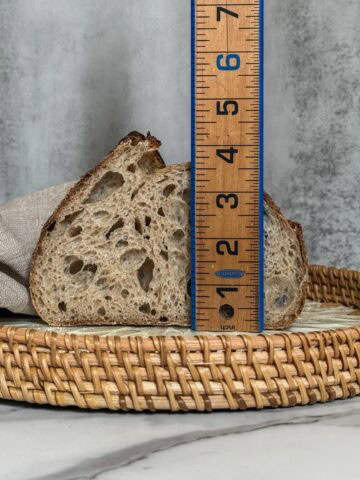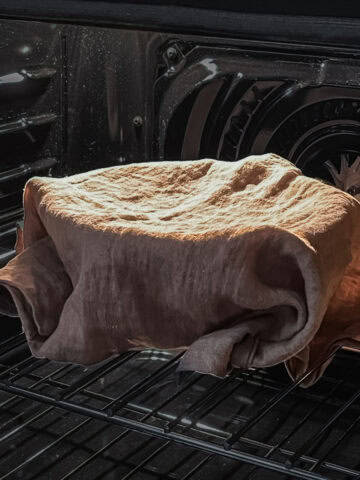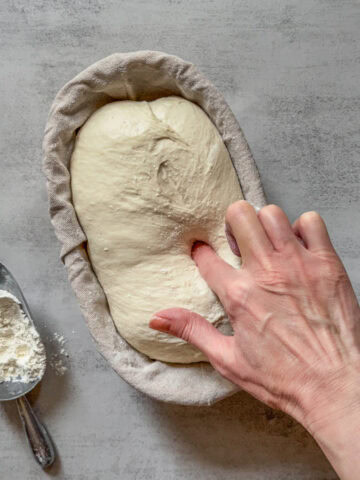

Learn how to prevent the bottom of sourdough bread from burning. A dark, crispy crust is perfect, but a burnt bottom can ruin the flavor and texture of your bread. Here are 14 practical tips and tricks to avoid bread burning.
Why does the bottom of the bread burn?
One of the most common factors is oven temperature. Home ovens are rarely perfectly accurate. The temperature displayed on the dial or digital panel may not reflect the actual heat inside, and some ovens have hot spots near the bottom.
Another factor that contributes to a burnt bottom is the type of baking surface. Thin metal baking sheets overheat quickly, causing the bottom to scorch. Pizza stones and thick baking steels hold heat longer, which can also over-brown the base if preheated too high.
Next is the rack position. Placing the loaf too close to the oven floor increases exposure to intense heat from the lower element. As a result, the loaf browns faster than intended.
And finally, steam. Insufficient steam during the first part of baking can accelerate crust formation, leaving the bottom overcooked.
Practical tips to avoid a burnt bottom of bread
1. Get to know your oven
The oven temperature makes a big difference. Use a dial-style oven thermometer to check if your oven is heating accurately. You may be surprised, but ovens often run 25-50°F hotter or cooler than indicated.
Also, use an infrared thermometer to measure the heat on your oven walls, as some areas may be hotter than others.
2. Choose the right bakeware
A heavy-duty cast-iron Dutch oven is an excellent choice because it holds and spreads heat evenly. If you are curious what the best Dutch oven is for sourdough bread, read my blog post.
You can also opt for a lighter-colored enamel Dutch oven, which reflects more heat and helps reduce the risk of burnt bottoms.
Adding a layer or two of eco-friendly parchment paper between the dough and the Dutch oven provides extra protection, though not all parchment paper is ideal for sourdough. So be sure to check my recommendations for the best parchment paper for sourdough.
If you are using a Granite Ware roasting pan, the bread's bottom tends to burn more easily. Try adjusting the rack position to see what works for you.
Some bakers love using Le Creuset bread ovens, reporting that the bread doesn't burn (even without parchment, a silicone sleeve, etc.). I haven't tried it myself yet.
3. Adjust the oven rack
Place the Dutch oven on the middle or upper rack to prevent excessive heat exposure to the bottom of the loaf. Avoid placing your bread on the bottom shelf, as this area receives the most direct heat and is more likely to burn it.
4. Add an insulating layer
To protect your bread, add a layer between the Dutch oven and the heat source. Use a pizza stone, baking steel, or an extra baking sheet (make sure it withstands high temperatures!) on the rack below the Dutch oven, which works as a thermal barrier to reduce direct heat.
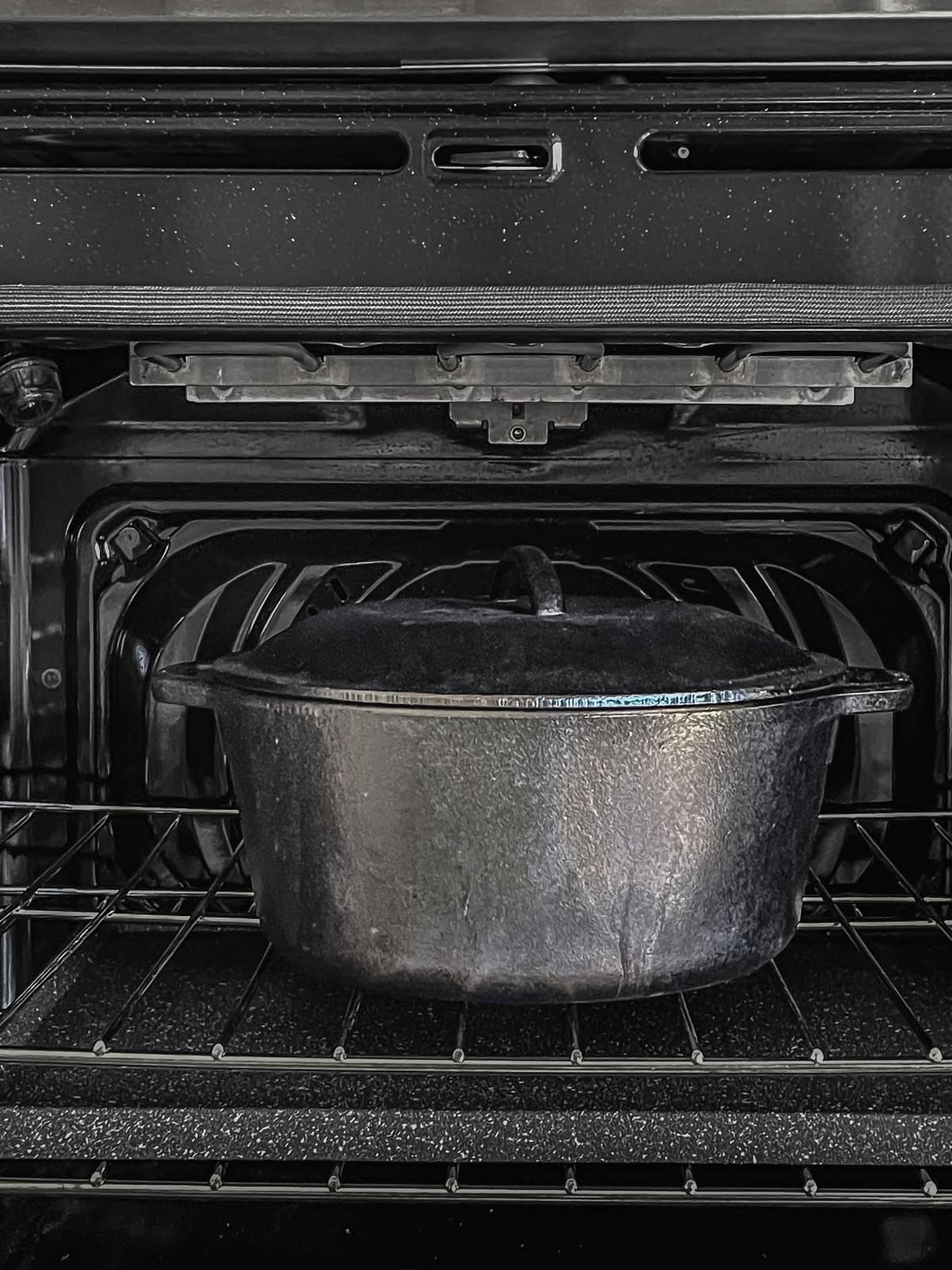
For extra protection, slide a baking sheet into the oven right before you load the Dutch oven with the dough. The baking sheet takes time to heat up, so it helps absorb some of the extra heat.
5. Reduce surface contact
You can use a cast-iron trivet or a flat cooling rack (without legs) inside the Dutch oven to lift the dough off the hot surface. Place parchment paper on top of the trivet or rack, then add your dough. This setup prevents the dough from touching the hot base directly.
For a simple and budget-friendly option, crumple some aluminum foil, flatten it, and place it under the parchment paper with the dough on top.
6. Experiment with preheating
You can experiment with different preheating times, such as 25, 30, or 60 minutes, to find the balance that works for your oven and dough.
You can even try a "cold start sourdough method", placing the dough in a cold oven and letting it heat gradually. This approach slows bottom browning while still producing good oven spring.
7. Lower the oven temperature
Baking sourdough in a Dutch oven usually calls for an oven temperature around 450°F, though every baker's setup varies. If the bottom of your bread burns, experiment with variations in oven temperature and time.
You can also try lowering the oven temperature by 10-20°F (5-10°C). Baking slightly cooler for a bit longer allows the bread to cook more evenly without burning the bottom. This approach works especially well for sweeter breads, such as cinnamon sugar sourdough.
8. Try an open bake
You can bake sourdough bread without a Dutch oven, using the "open baking method." Open baking itself doesn't directly prevent the bottom from burning, but you have more control over steam, positioning, and heat exposure.
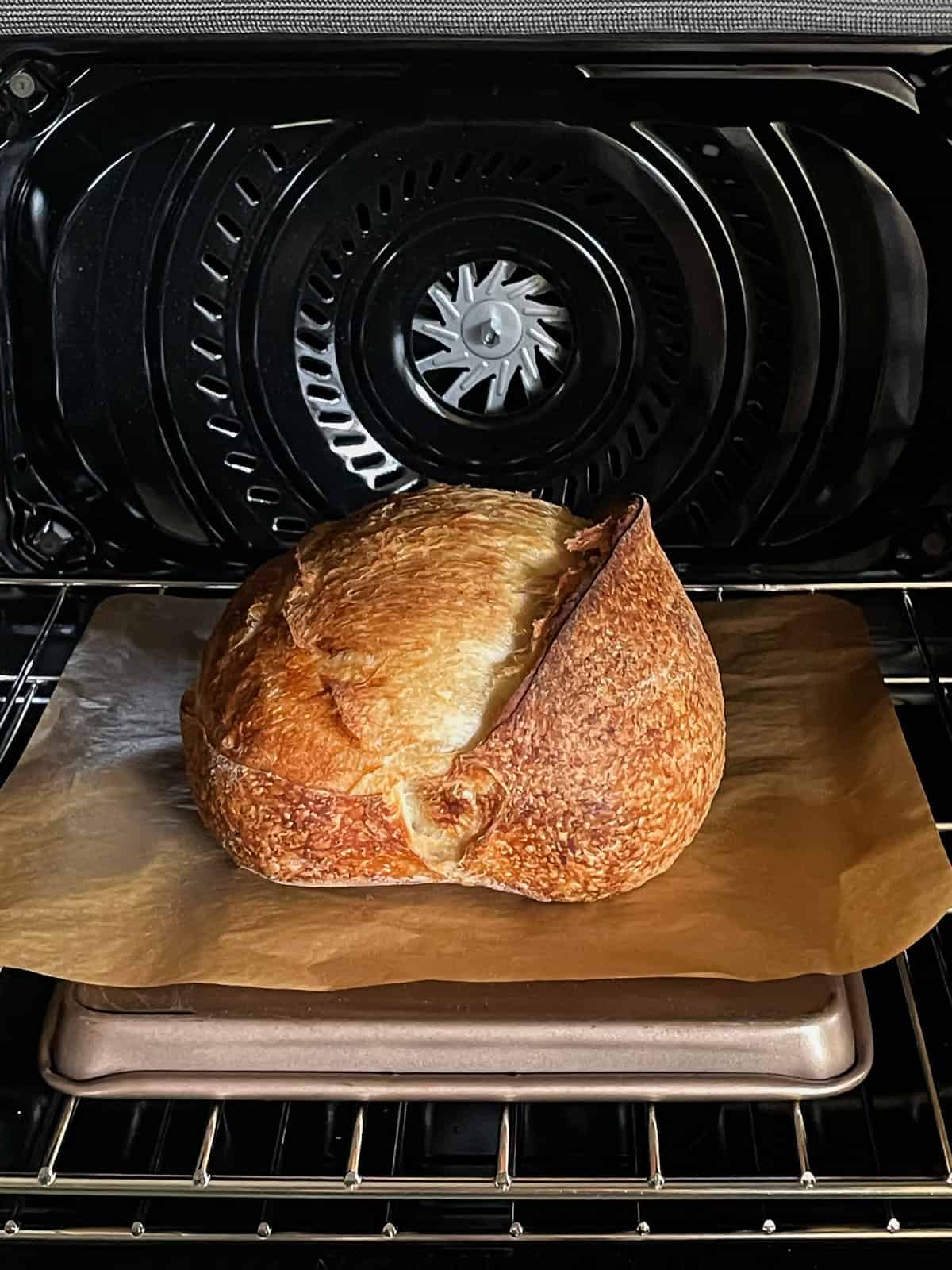
You can move the dough higher or lower in the oven, place it on a baking stone to buffer direct heat, and add steam by placing a tray of water in the oven.
This method gives you flexibility and control, especially if your oven tends to run hot or if you are experimenting with different recipes.
9. Introduce steam
Introducing steam into the oven slows crust formation and gives the dough time to expand. The simplest way to create steam is to use a covered Dutch oven for the first half of the bake, which traps moisture from the dough itself.
For open baking, you should create steam by spraying water into the oven and placing a tray of water inside.
Some bakers use ice cubes in a preheated Dutch oven or on a tray beneath the parchment paper. This creates a burst of steam as the ice melts. But adding ice to an extremely hot enamel cast-iron Dutch oven can shock the material and even crack it.
Ice generates steam, but it also slightly lowers the temperature inside the Dutch oven when it comes into contact with it. If you try this method, make sure your vessel can safely handle the thermal shock, and add the ice carefully to avoid spills and burns. Always use oven mitts and, yes, safety goggles, too.
10. Rotate your bread
Ovens have areas that are hotter than others. To bake evenly, rotate your loaf after the initial steam phase.
If baking multiple loaves, start them on the lower rack and move them to the upper rack once they come out of the Dutch ovens. The same applies to baking in a loaf pan.
11. Try a silicone bread sling
Many bakers have good results using a silicone bread sling at the bottom of the Dutch oven or with other bakeware. The same goes for silicone trivets, which some home bakers like to use.
However, most silicone products aren't designed for sourdough baking. If you are curious about what works and what doesn't, you will find my article on silicone in sourdough baking especially helpful.
After extensive research, I have found that the best choice for baking is the high-quality BreadMat™. It is the only silicone baking mat made with top-grade silicone that can handle high temperatures.
Another option could be a Silpat round mat, but it doesn't have handles, which makes it harder to move the sourdough in and out of the Dutch oven.
12. Add a layer of grains
Sprinkle uncooked rice or rolled oats at the bottom of the pan before placing the parchment-lined dough on top. This layer acts as a cushion and helps prevent burning. You can also use ceramic pie weights for the same purpose.
Alternatively, generously sprinkle cornmeal or wheat bran on the seam side of the dough before flipping it onto parchment paper for baking.
13. Watch the final minutes
Pay extra attention during the last 10 minutes of baking. If the crust looks perfect but the bottom is at risk of burning, move the bread to a higher rack or turn off the oven and let the remaining heat finish the bake.
14. Keep a baking journal
Track your baking process, including oven temperature, rack position, and bakeware, and document your adjustments in a sourdough baking log.
Let's talk sourdough
Have you had issues with burnt bottoms? What methods worked for you, and which ones didn't? Share your experience below.
Ready to keep learning?
Once your baking results are consistent, it is time to understand the math behind your dough. Sourdough baker's percentages help you create your own bread recipes and accurately scale recipes. And if something else went wrong with this bake, you will find every fix in my troubleshooting guides.